You’ve probably heard whispers about tantra massage-maybe from a friend who came back from a retreat glowing, or from a blog post that made you pause mid-scroll. It’s not just another massage. It’s not even really about sex. At its core, tantra massage is a quiet revolution in how you relate to your own body, your emotions, and your sense of self. If you’ve ever felt disconnected, stuck, or numb-even in the middle of a busy life-this might be the missing piece you didn’t know you were looking for.
What Tantra Massage Really Is
Let’s clear up the confusion right away. Tantra massage isn’t a sexual service disguised as spiritual work. It’s not about pleasure for pleasure’s sake. It’s about presence. Real, deep, breath-centered presence.
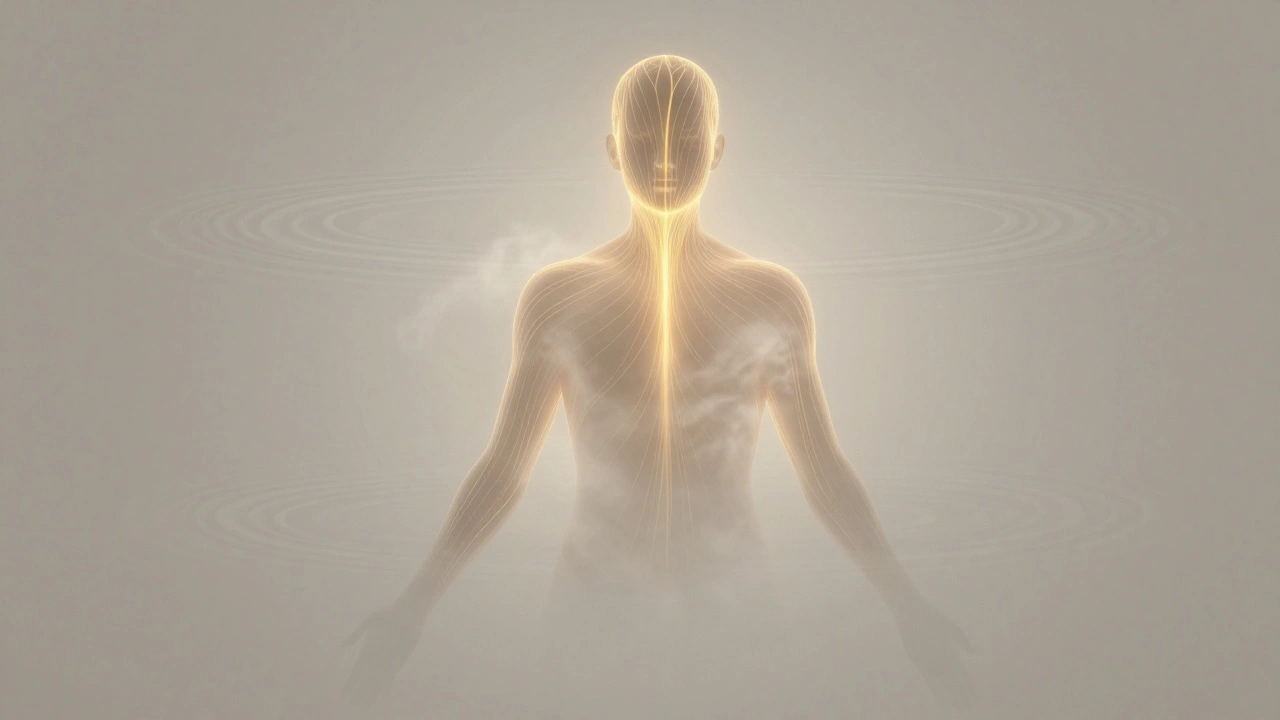
Originating from ancient Indian spiritual traditions, tantra teaches that energy-called prana-flows through every part of us. When that energy gets blocked-by stress, trauma, shame, or just years of ignoring your body-you feel it as tension, fatigue, or emotional distance. Tantra massage works with that energy. It uses slow, intentional touch, breathwork, and mindful awareness to help you reconnect with parts of yourself you’ve shut off.
Unlike a Swedish massage, where the goal is relaxation, or a deep tissue session that targets knots, tantra massage invites you to stay with sensations-no matter how uncomfortable they are. A touch on your lower back might bring up old sadness. A hand on your abdomen might trigger shame. That’s not a mistake. That’s the point.
How Tantra Massage Fuels Personal Growth
Personal growth sounds lofty, right? Like journaling at sunrise or reading self-help books while sipping matcha. But real growth doesn’t happen in your head. It happens in your body.
Here’s how tantra massage helps:
- You learn to sit with discomfort. Most of us run from uncomfortable feelings-anger, fear, grief. Tantra massage teaches you to breathe through them instead of numb them. Over time, you start to realize you can handle more than you thought.
- You reclaim your body. If you’ve ever felt like your body was a problem-too sensitive, too sexual, too flawed-tantra massage helps you see it as a source of wisdom. Not a project to fix. A home to return to.
- You break patterns. Ever notice how you react the same way to stress, over and over? Tantric touch can interrupt those patterns. A gentle hand on your chest might release a lifelong habit of holding your breath when you feel vulnerable.
- You feel less alone. In a world full of screens and surface-level connections, being touched with care-without expectation-can be profoundly healing. It reminds you that you’re worthy of presence, just as you are.
One client I worked with in Brighton-let’s call her Lena-had been through years of therapy. She knew all the words: anxiety, attachment, trauma. But she still couldn’t relax in her own skin. After three tantra sessions, she said, “I finally felt like I was living in my body, not just visiting it.” That’s the shift.
What Happens in a Typical Session
There’s no one-size-fits-all tantra massage. But here’s what most sessions share:
- Intention setting. You and the practitioner talk before the session. No pressure. No expectations. You might say, “I want to feel more grounded,” or “I need to release something I can’t name.”
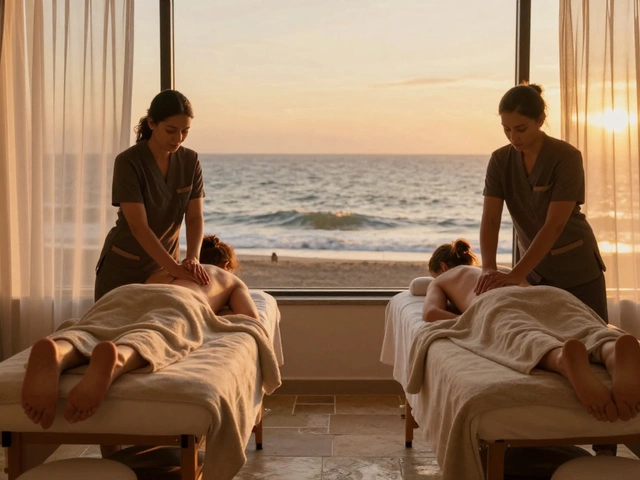
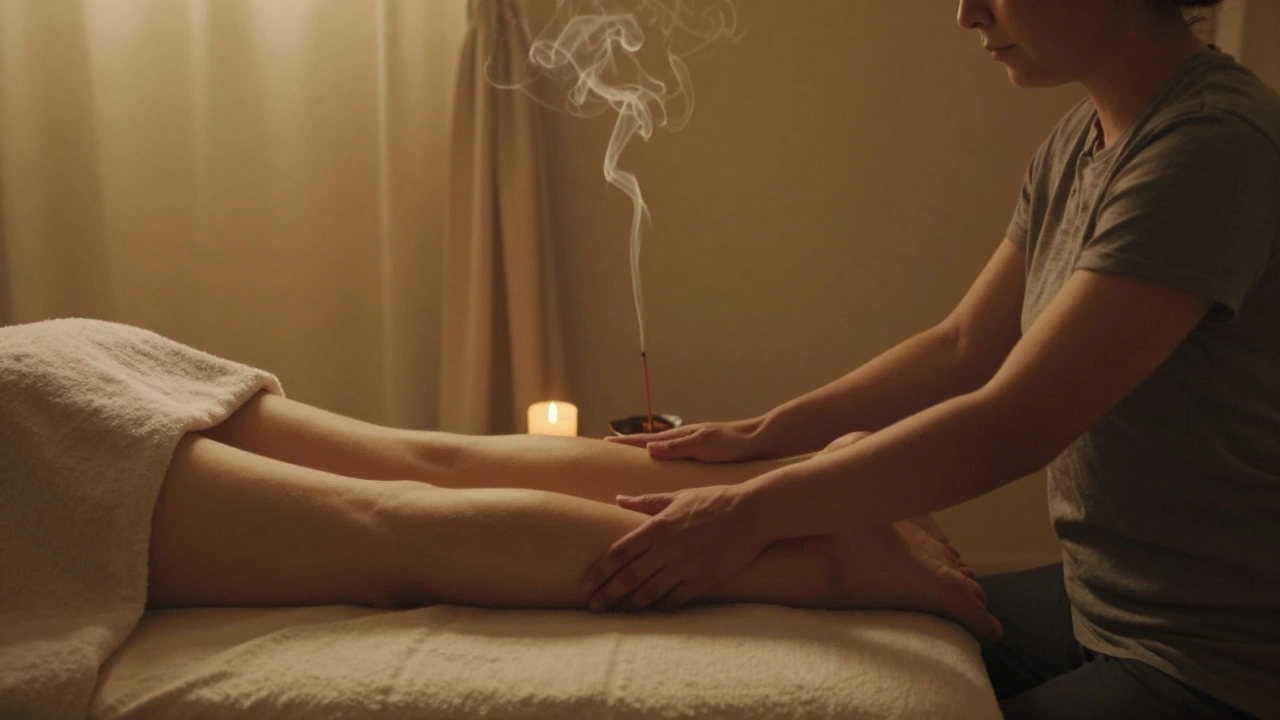
- Grounding. You lie down. The room is warm. Soft music plays. The practitioner starts with slow, light touches-on your arms, your feet. No nudity required. Many people stay fully clothed. The focus is on energy, not anatomy.
- Following your breath. The practitioner might gently guide your breath. Not to change it, but to notice it. When you tense, they pause. When you sigh, they stay with you.
- Energy flow. Touch moves slowly. It might travel from your shoulders down to your hips, then back up. Sometimes it stops for minutes. That’s normal. It’s not about technique. It’s about rhythm.
- Integration. After, you’re given time to rest. No rush. No chatter. Just quiet. Many people cry. Some laugh. Others just fall asleep. All of it is part of the process.
There’s no “happy ending.” There’s no orgasm goal. That’s not the point. The point is what happens in the quiet after the touch stops.
Tantra Massage vs. Other Therapies
How is this different from other types of touch-based healing?
| Aspect | Tantra Massage | Sensual Massage | Swedish Massage | Massage Therapy (Clinical) |
|---|---|---|---|---|
| Primary Goal | Emotional and energetic release | Pleasure and arousal | Relaxation and muscle relief | Physical healing and pain management |
| Touch Style | Slow, intentional, non-goal-oriented | Flowing, sensual, often erotic | Effleurage, kneading, rhythmic | Targeted, pressure-based |
| Focus on Energy | Yes-chakras, prana, breath | Occasionally | No | No |
| Emotional Space | Encouraged and held | Usually avoided | Minimal | Minimal |
| Aftercare | Quiet rest, reflection, water | Often ends with sexual release | Stretching, hydration | Home exercises, follow-ups |
See the difference? Tantra isn’t trying to make you feel good in the moment. It’s trying to help you feel more alive over time.
Where to Find Tantra Massage in Brighton
Brighton has a long history of alternative healing. You’ll find tantra practitioners here who’ve trained in Nepal, India, and California. But not all are created equal.
Look for these signs:
- They talk about boundaries. A good practitioner will explain consent, clothing options, and what to expect before you even undress.
- They don’t promise “spiritual awakening.” Real tantra is slow work. If someone says you’ll “unlock your divine feminine” in one session, walk away.
- They have training. Ask if they’ve studied with recognized schools like The Tantric Institute or The School of Sacred Sexuality. No license? Fine. But they should have hours of supervised practice.
- They’re quiet about their pricing. Reputable practitioners list prices upfront. If they’re vague, it’s a red flag.
Most sessions in Brighton last 90 minutes and cost between £120 and £180. Some offer sliding scales for students or those on low income. Don’t be afraid to ask.
What to Expect After Your First Session
Some people feel euphoric. Others feel raw. One woman in Hove told me she cried for three hours after her session. “I didn’t even know I was holding that much pain,” she said.
Here’s what’s normal:
- Feeling emotionally sensitive for a day or two
- Strange dreams or vivid memories
- More awareness of your breath, posture, or touch
- Feeling more connected to your partner-or less interested in sex altogether
None of this is wrong. It’s all data. Your body is telling you something.
Hydrate. Walk. Journal. Don’t rush into another session. Let it settle.
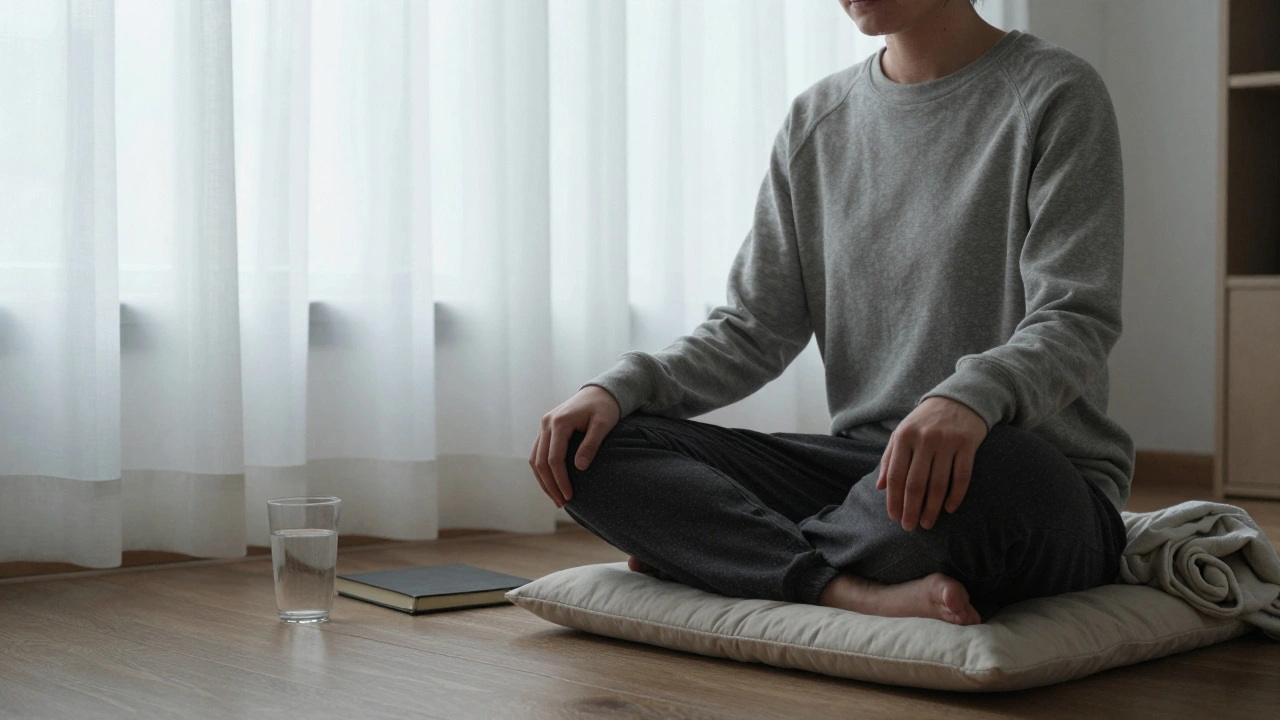
Who Should Try Tantra Massage
Not everyone needs this. But if any of this sounds like you, you might benefit:
- You feel disconnected from your body
- You struggle with intimacy, even with yourself
- You’ve been through trauma and talk therapy hasn’t fully helped
- You’re curious about mindfulness but find meditation too “mental”
- You’re tired of “self-care” that feels like another chore
It’s not for people seeking quick fixes. It’s not for those who want to be “fixed.” It’s for people ready to explore what’s underneath the surface.
Frequently Asked Questions
Is tantra massage sexual?
No. While it involves touch to intimate areas, the goal isn’t sexual arousal or release. It’s about releasing stored emotional energy. Many practitioners work with clients fully clothed. The focus is on presence, not pleasure.
Can I do tantra massage with my partner?
Yes-but not at first. Tantra massage is best learned one-on-one with a trained practitioner. Once you’ve learned to receive touch without expectation, you can bring those skills into your relationship. Many couples later take joint workshops.
How many sessions do I need?
There’s no set number. Some feel shifts after one session. Others come monthly for six months. Think of it like therapy-not a quick fix, but a practice. Listen to your body. If you feel lighter, more grounded, or more at peace, you’re on the right path.
Is tantra massage safe?
Yes, when done by a trained professional who respects boundaries. Always ask about their training, consent process, and hygiene. Avoid anyone who pressures you, makes sexual promises, or doesn’t offer clear boundaries.
Can tantra massage help with anxiety?
Many people find it does. By teaching you to stay present with uncomfortable sensations instead of escaping them, tantra massage rewires your nervous system. It’s not a replacement for therapy, but it can be a powerful complement.
Ready to Begin?
You don’t need to believe in chakras. You don’t need to be spiritual. You just need to be willing to feel.
If you’ve been carrying tension in your shoulders, avoiding touch, or feeling like something’s missing-this might be the quiet doorway you’ve been looking for. Not magic. Not miracle. Just slow, steady, human connection.
Start with one session. No pressure. No expectations. Just you, a quiet room, and the chance to finally be held-not fixed, not judged, just held.