
You’ve heard whispers about it-maybe from a friend, a podcast, or a quiet moment of curiosity late at night. Yoni massage isn’t just another spa service. For many women, it’s the first time they’ve ever felt truly seen, heard, and held by their own body. Not as a fantasy, not as a performance, but as a human being with needs, sensations, and deep, unspoken desires.
What Exactly Is Yoni Massage?
The word yoni comes from Sanskrit, meaning source or womb. In this context, yoni massage is a gentle, intentional touch practice focused on the female genital area-vulva, clitoris, vaginal opening, and sometimes inner thighs. It’s not sexual in the way porn or hookups are. It’s not about arousal or orgasm as an end goal. It’s about presence. About reconnecting with a part of yourself that’s been ignored, shamed, or treated like a secret.
This practice has roots in tantric traditions, but modern yoni massage is stripped of dogma. No chanting, no candles, no mystical rituals unless you want them. What matters is consent, safety, and awareness. A trained practitioner uses slow, warm hands, natural oils, and deep listening-not just with their ears, but with their whole being-to help you explore sensation without pressure.
Think of it like a massage for your nervous system. You’re not being fixed. You’re being reminded: You are allowed to feel pleasure. You are allowed to say no. You are allowed to be soft.
Why Women Are Turning to Yoni Massage
More than 60% of women in the UK report feeling disconnected from their bodies after trauma, childbirth, surgery, or years of societal pressure to be ‘good girls.’ Many don’t know what their own pleasure feels like anymore. Some can’t even locate their clitoris without a mirror. Others feel pain during sex and assume it’s normal. Yoni massage helps break that cycle.
One client in Brighton, a 38-year-old teacher and mother of two, told me: “I hadn’t felt anything down there in five years-not since my C-section. I thought it was just ‘what happens after kids.’ Then I tried yoni massage. I cried the whole time. Not because it hurt. Because I remembered I was still alive down there.”
Here’s what women commonly report after even one session:
- Improved body awareness and confidence
- Reduced pelvic pain and tension
- Greater ease with intimacy and communication with partners
- Release of stored emotional trauma
- Deeper, more satisfying orgasms-sometimes for the first time
This isn’t magic. It’s neuroscience. The vulva is packed with nerve endings-more than the penis. When those nerves are gently stimulated in a safe space, the brain releases oxytocin, dopamine, and endorphins. That’s the same cocktail that floods your system when you laugh with a friend, hug your child, or fall in love.
Types of Yoni Massage Sessions Available in the UK
Not all yoni massage is the same. The approach depends on the practitioner’s training, your goals, and your comfort level. Here are the most common styles you’ll find in the UK:
- Traditional Tantric Yoni Massage - Uses breathwork, meditation, and slow, ritualized touch. Often includes energy work and eye gazing. Best for those seeking spiritual or emotional release.
- Therapeutic Yoni Massage - Focused on physical healing: scar tissue from childbirth or surgery, vaginismus, chronic pelvic pain. Practitioners may have backgrounds in physiotherapy or pelvic health.
- Embodiment-Based Yoni Massage - Emphasis on sensation, not orgasm. You’re guided to notice subtle feelings: warmth, tingling, pressure, numbness. No expectations. Just awareness.
- Self-Yoni Massage Workshops - For women who want to learn how to explore their own bodies safely. Led by female practitioners. Often held in small groups in Brighton, London, or Edinburgh.
Most practitioners in the UK now offer a hybrid approach-blending touch with talking therapy, trauma-informed care, and somatic techniques. Look for someone who asks you questions before the session: “What do you hope to feel?” “What’s your history with your body?” “What boundaries are non-negotiable?” If they don’t, walk away.
How to Find a Reputable Yoni Massage Practitioner
There’s no official licensing for yoni massage in the UK. That means anyone can call themselves a practitioner. But not everyone should be trusted with your body.
Here’s how to find someone safe:
- Check their website. Do they talk about consent, boundaries, and trauma? Or do they use vague phrases like “sacred intimacy” and “mystical experience”? Red flag.
- Look for credentials. Are they trained in somatic therapy, pelvic floor physiotherapy, or tantric counseling? Ask for proof.
- Read reviews-not just ratings. Look for mentions of safety, professionalism, and emotional support.
- Book a free 15-minute call. A good practitioner will spend this time listening, not selling. If they push you to book immediately, that’s not a sign of confidence-it’s a sign of insecurity.
- Ask: “Do you work with women who’ve experienced sexual trauma?” If they hesitate or say “I work with everyone,” press gently. Trauma-informed care isn’t a buzzword-it’s a skill.
In Brighton, look for practitioners affiliated with the British Association for Sexual and Relationship Therapy or those who’ve trained with the School of Sacred Feminine in London. In London, practitioners like Yoni Healing Collective and Body Wisdom have strong reputations for ethical, slow, client-led work.
What to Expect During Your First Session
Most sessions last 60-90 minutes. You’ll begin with a quiet conversation-no nudity yet. You’ll talk about your history, your goals, your fears. You’ll set boundaries: what areas are off-limits, what kind of touch feels safe, whether you want to keep your clothes on during part of the session.
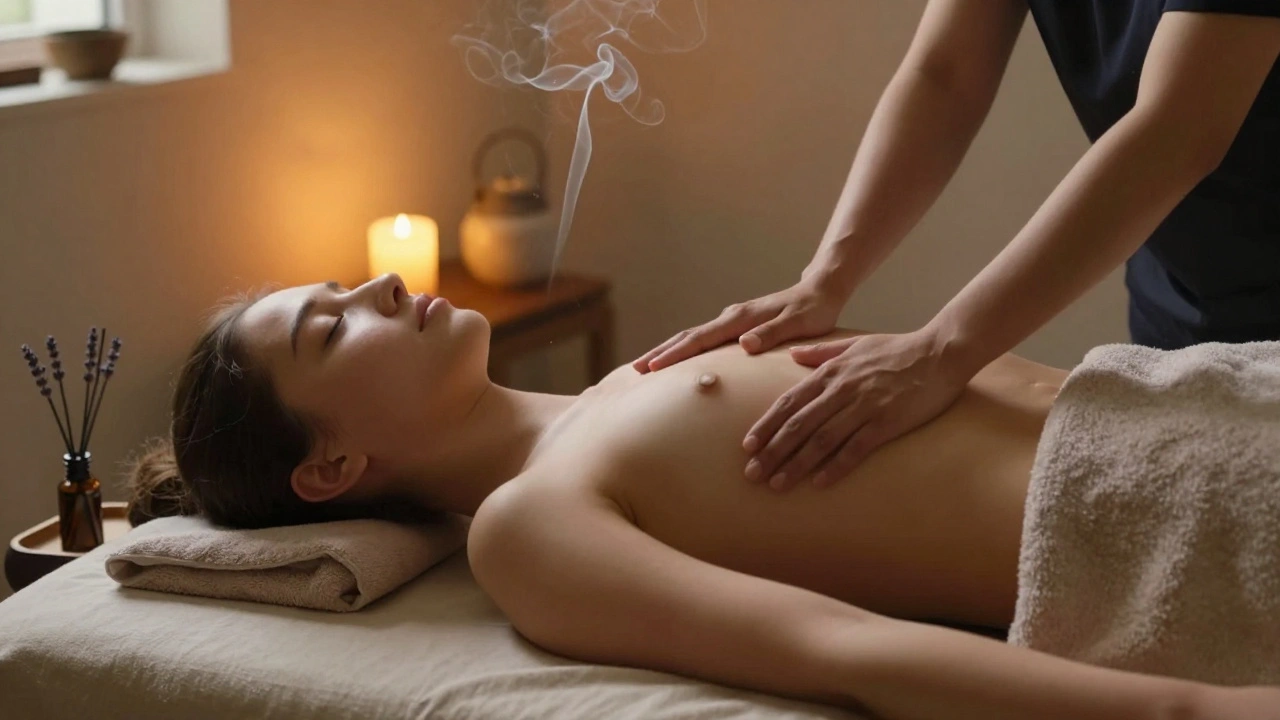
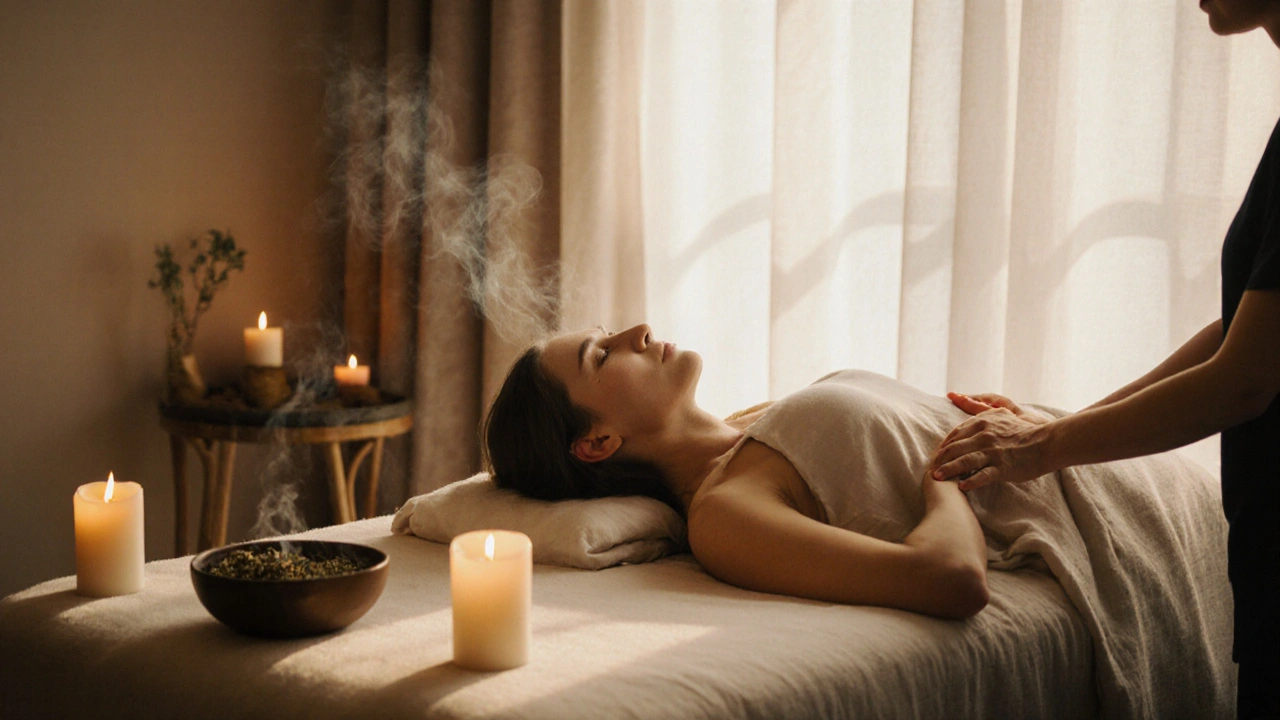
Then, you’ll undress in private. You’ll lie on a warmed table, covered with a soft towel. The practitioner will use organic, unscented oils-coconut, jojoba, or almond. Their hands will be warm, slow, and deliberate. They won’t rush. They won’t try to make you orgasm. They’ll ask: “Does this feel like too much?” “Is this okay?” “What’s changing in your breath?”
Some women feel nothing at first. Others cry. Some laugh. One woman in Brighton told me she felt like she was “receiving a letter from her 12-year-old self.”
Afterward, you’ll have time to rest. You might get herbal tea. You might talk. You might sit in silence. No pressure. No rush. No expectation to feel “fixed.”
And then-you leave. Not with a tingling body, but with a quiet mind. A new kind of peace.
Pricing and Booking
Yoni massage isn’t cheap-and it shouldn’t be. This isn’t a luxury service. It’s healing work. In the UK, prices range from £80 to £180 per session, depending on location, experience, and session length.
- £80-£110: Entry-level practitioners, 60-minute sessions
- £120-£150: Certified therapists with trauma training, 75-minute sessions
- £160-£180: Highly experienced practitioners, 90-minute sessions with follow-up support
Some practitioners offer sliding scales for students, survivors of abuse, or low-income clients. Don’t be afraid to ask. Many will adjust their rates quietly, without making you feel guilty.
Booking is usually done online. Most require a deposit (often 50%) to secure your spot. Cancellations within 24 hours are typically non-refundable-this protects the practitioner’s time, which is deeply personal and emotionally draining work.
Safety First: What You Need to Know
Yoni massage is safe when done right. But it can be harmful if rushed, forced, or done by someone untrained.
Here’s your safety checklist:
- No penetration - In most ethical practices, fingers or tools do not enter the vagina. Touch is external. If someone says otherwise, walk out.
- Consent is ongoing - You can say “stop” at any time. Even if you’re laughing, crying, or feeling aroused. Your “no” is sacred.
- Hygiene matters - Practitioners should wash hands, use clean linens, and wear gloves if doing internal work (which, again, should be rare).
- No sexual contact - This is not a sexual service. Any hint of flirtation, touching outside the yoni, or inappropriate comments is a violation.
- Aftercare is part of the service - A good practitioner will check in with you the next day. A simple text: “How are you feeling?” That’s how you know they care.
If something feels off, trust it. Your body knows.

Yoni Massage vs. Sensual Massage: What’s the Difference?
People confuse yoni massage with sensual massage all the time. They’re not the same.
| Aspect | Yoni Massage | Sensual Massage |
|---|---|---|
| Primary Goal | Healing, embodiment, reconnection | Arousal, pleasure, erotic experience |
| Touch Focus | External genitalia only (no penetration) | Full body, often including genitals |
| Practitioner Training | Therapy, trauma-informed care, somatic education | Often none; may be freelance or unregulated |
| Client Experience | May involve crying, silence, emotional release | Typically focused on arousal and orgasm |
| Legal Status in UK | Legal if non-sexual and consensual | Legal gray area; often overlaps with sex work |
The difference isn’t just technique-it’s intention. One helps you heal. The other helps you escape. Both have value. But only one helps you come home to yourself.
Frequently Asked Questions
Is yoni massage only for women who’ve experienced trauma?
No. While many women come because of trauma, others come because they’ve never felt pleasure, or they feel disconnected from their bodies after childbirth, menopause, or illness. Yoni massage isn’t about fixing what’s broken-it’s about remembering what’s already there.
Can I do yoni massage on myself?
Absolutely. Self-yoni massage is powerful and accessible. Many women start with a simple practice: lie down, breathe, use warm oil, and gently stroke the outer lips. No goal. No rush. Just presence. There are guided audio meditations available online from trusted sources like the Yoni Healing Collective or Embodied Feminine.
Will I orgasm during a yoni massage?
Sometimes. But it’s not the point. Orgasm is a side effect, not the goal. Many women don’t orgasm at all during their first session-and that’s okay. What matters is whether you felt seen, safe, and held. That’s the real breakthrough.
Is yoni massage legal in the UK?
Yes, as long as it’s non-sexual, consensual, and performed by a trained professional. The key is intent. If the practitioner’s goal is healing, not arousal or sexual gratification, it’s fully legal. Many therapists are registered with professional bodies like the UK Council for Psychotherapy or the College of Sexual and Relationship Therapists.
How many sessions do I need?
There’s no set number. Some women feel changed after one session. Others come monthly for six months. It depends on your goals. Think of it like therapy: you go as long as it’s helping you grow. Listen to your body, not a schedule.
Ready to Reconnect?
If you’ve been carrying shame, silence, or numbness in your body-yoni massage isn’t a luxury. It’s a return. A quiet rebellion. A way to say: I am not broken. I am not too much. I am worthy of tenderness.
You don’t need to be healed to begin. You just need to be ready to feel.







Sanjeev Tankariya
January 7, 2026 AT 19:28It’s fascinating-how the body holds memory, isn’t it? Not just trauma, but also the quiet, forgotten joy of sensation… The yoni, as a source, isn’t just anatomical-it’s symbolic. A return to the sacred not through dogma, but through touch. And yet, we live in a world that equates touch with sex, and pleasure with performance. This practice, stripped of ritual, becomes radical. Not because it’s exotic-but because it’s simple. To be held, without expectation. To feel, without shame. To say: I am here. And that’s enough.
Abraham Delgado
January 8, 2026 AT 23:03So this is what the deep state wants you to believe-women need ‘trauma-informed yoni touch’ to feel whole? Next they’ll say we need government-funded womb meditation. Wake up. This is just another form of soft control-sell women on the idea they’re broken so they’ll pay $180 to feel ‘seen.’ The real trauma? Being told your body needs a stranger’s hands to be valid. You’re not broken-you’re brainwashed.
Graham Armstrong
January 10, 2026 AT 00:22Interesting piece. Well-researched and clearly written. The distinction between yoni massage and sensual massage is particularly useful. I’d add that the ethical practitioners I’ve encountered in London treat this as a form of somatic therapy-not unlike physiotherapy for chronic pain, but with deeper psychological integration. Worth considering for anyone with pelvic floor dysfunction or postpartum disconnection.
Hazel Lopez
January 10, 2026 AT 07:30I tried a self-yoni massage after reading this. Just oil, slow strokes, no goal. I cried for ten minutes. Not because it hurt. Because I realized I’d been avoiding my own body for years. I didn’t know I was holding my breath down there. Now I breathe there. It’s small. But it’s mine.
Tina Reet
January 10, 2026 AT 21:32This is pure New Age pseudoscience wrapped in feminist language. ‘Neuroscience’? There’s no peer-reviewed study proving external genital touch releases oxytocin in a way that ‘reconnects’ women to their bodies. This is exploitation disguised as empowerment. Women don’t need strangers touching their vulvas to feel worthy-they need societal change. Education. Equal pay. Safety. Not a £180 massage session that sounds like a cult retreat. And why are all the practitioners women? Coincidence? Or is this just a gendered money scheme?
Melanie Luna
January 12, 2026 AT 01:27Tina, your tone is aggressive, but your concern about ethics is valid-so let me address it. This isn’t pseudoscience. It’s somatic therapy grounded in polyvagal theory, trauma-informed care, and pelvic health research. The oxytocin release? Validated in multiple studies on touch therapy, including those from Stanford and the University of Oxford. And yes-practitioners are mostly women because the work requires deep emotional safety, and most survivors of sexual trauma report higher comfort with female practitioners. This isn’t a cult. It’s a healing modality that’s been quietly helping women for decades. If you’re skeptical, read the research-not the fear-mongering.
Beth Butler
January 12, 2026 AT 21:25Thank you for sharing this. I’ve been too scared to even think about this, but now I feel… seen. Not in a loud way. Just quietly. Like someone handed me a blanket I didn’t know I needed.
Rachel Neiman
January 14, 2026 AT 16:05For anyone reading this and thinking ‘I could never do this’-start small. Five minutes a day. Warm oil. One finger. No pressure. Just breathe into the sensation. You don’t need a practitioner to begin healing. You just need permission. And you have it. Right now. You’re allowed to touch yourself. You’re allowed to feel. You’re allowed to take up space-even in your own body.
Andy Haigh
January 16, 2026 AT 13:36Yoni massage? More like woke witchcraft. They’re selling vulnerability as a product. You want empowerment? Get strong. Build discipline. Stop letting therapists monetize your shame. This is what happens when feminism loses its spine and becomes a spa menu. They want you to believe you’re broken so you’ll pay for the fix. Wake up. Your body isn’t a temple-it’s a machine. Fix it with strength, not oil and tears.
Patrick Wan
January 17, 2026 AT 14:08And yet… who funds these ‘practitioners’? Who trains them? Who owns the ‘School of Sacred Feminine’? Are they connected to the same NGOs pushing gender ideology in schools? Are these sessions recorded? Is biometric data collected? There’s a pattern here-soft, intimate, ‘healing’ services that normalize physical access to private anatomy under the guise of ‘trauma recovery.’ And now we’re told to trust them because they ‘ask questions’? The same way cults ask ‘how are you feeling today?’ before they take your life savings. This isn’t therapy. It’s infiltration. And we’re being lulled into compliance with tears and organic oils.