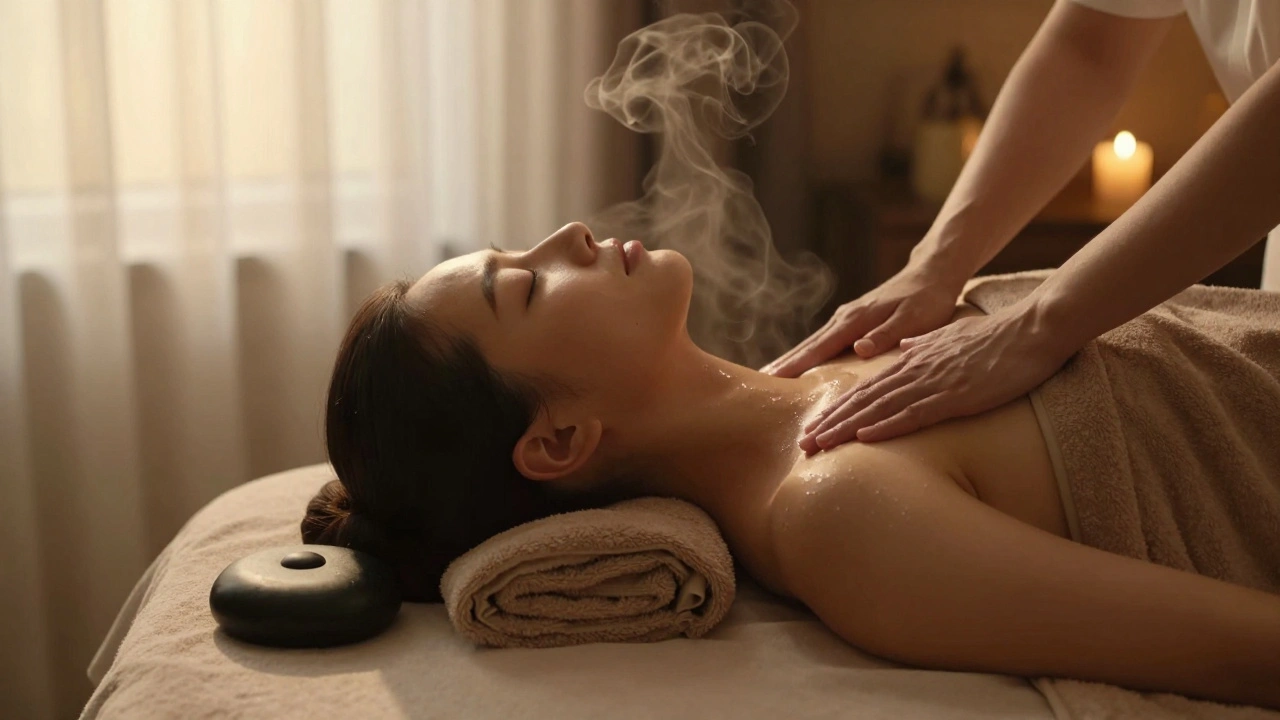
You’ve felt it before-that moment when a therapist’s hands sink into your shoulders and suddenly, the noise in your head goes quiet. Not just relaxed. Reset. Like your brain hit a soft reboot button. That’s not magic. It’s biology. Body massage doesn’t just loosen tight muscles; it rewires how your brain feels stress, pain, and safety. And the science behind it is clearer than ever.
What Happens in Your Brain During a Massage?
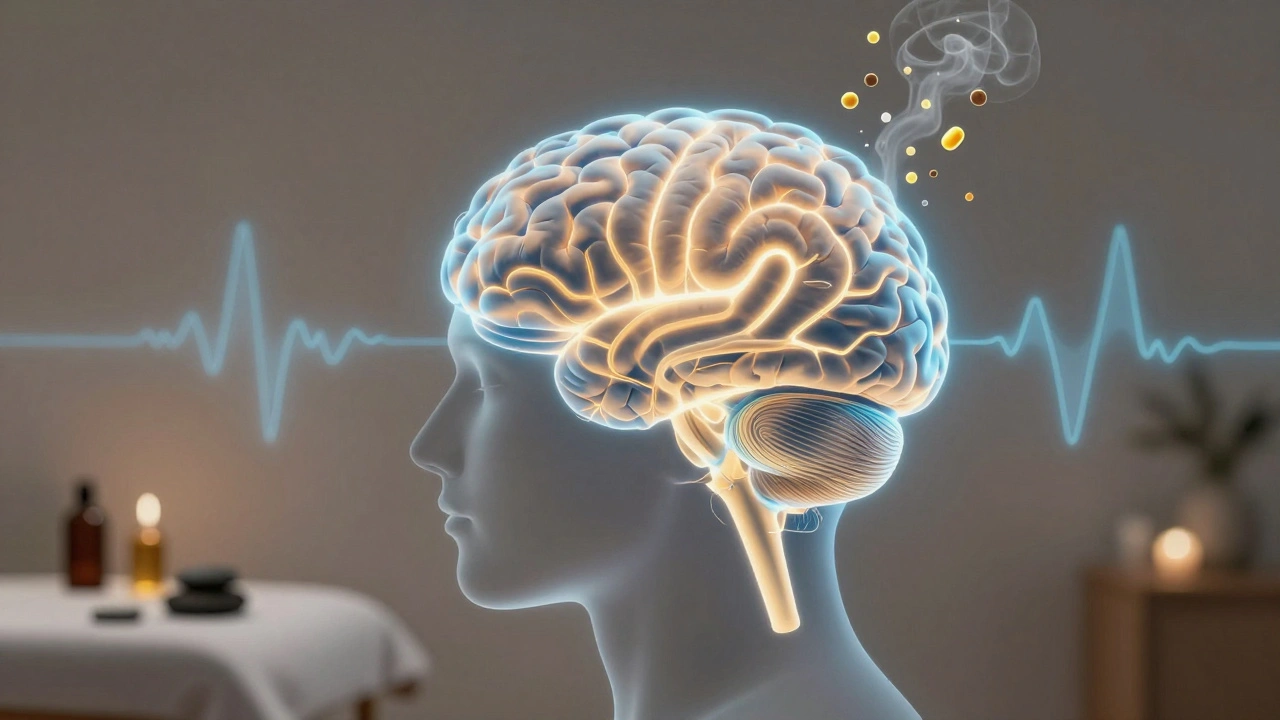
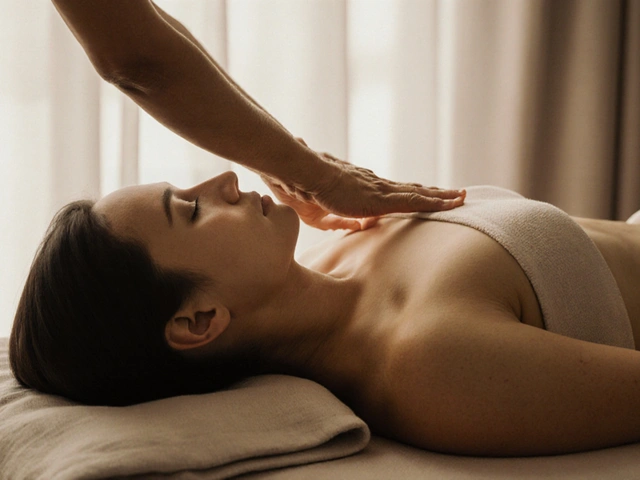
When your skin is touched with steady, rhythmic pressure, sensory nerves send signals straight to your brainstem. From there, the message travels to the hypothalamus-the part that controls your stress response. What happens next? Cortisol, your main stress hormone, drops. Studies show a single 60-minute massage can reduce cortisol by up to 31%. At the same time, serotonin and dopamine-your brain’s natural feel-good chemicals-rise. That’s why you feel calm, even euphoric, after a good session.
This isn’t just about feeling good in the moment. Repeated massage therapy actually changes how your brain processes pain. Functional MRI scans show reduced activity in the anterior cingulate cortex, the area linked to emotional pain and anxiety. In other words, your brain learns to stop overreacting to discomfort. People with chronic back pain, migraines, or even PTSD report fewer flare-ups after regular massage. Not because the injury vanished-but because their brain stopped screaming about it.
Why Touch Is Different From Other Relaxation Methods
You can meditate. You can listen to binaural beats. You can take a bath. But none of those trigger the same neural pathway as human touch. Touch activates the vagus nerve-the longest cranial nerve that connects your brain to your heart, lungs, and gut. When stimulated, it slows your heart rate, lowers blood pressure, and signals your body: ‘You’re safe now.’
That’s why a massage feels deeper than a spa candle. It’s not just relaxing your muscles-it’s telling your nervous system it’s okay to come down from fight-or-flight mode. And for people living with high stress, anxiety, or burnout, that signal is life-changing. One 2024 study from the University of Miami tracked 120 participants with work-related burnout. After eight weekly massages, 89% reported improved sleep, clearer thinking, and a noticeable drop in emotional exhaustion. Not because their jobs got easier. Because their brains stopped staying on high alert.
Types of Body Massage That Impact the Brain Most
Not all massages are created equal when it comes to brain effects. Here’s what actually moves the needle:
- Swedish massage-long, flowing strokes with moderate pressure. Best for lowering cortisol and triggering relaxation response. Ideal if you’re mentally drained.
- Deep tissue massage-slower, focused pressure on knots. Surprisingly, it’s just as good for the brain. Why? Because releasing chronic muscle tension reduces the constant pain signals your brain is stuck on.
- Myofascial release-targets connective tissue. Helps reset the brain’s pain map, especially useful for people with fibromyalgia or long-term tension headaches.
- Hot stone massage-the warmth adds another layer. Heat activates the parasympathetic nervous system even faster. Perfect if you’re stuck in a loop of anxiety.
Interestingly, the technique matters less than the consistency. A 2023 review in the Journal of Clinical Psychology found that people who got massage twice a month for three months showed more lasting brain changes than those who had one intense session. Regular touch builds neural resilience.
How Often Should You Get a Massage for Brain Benefits?
You don’t need to spend your whole paycheck on weekly sessions. Think of it like exercise for your nervous system. Once a month keeps your stress baseline low. Twice a month helps if you’re dealing with anxiety, insomnia, or recovery from illness. Three times a month? That’s when your brain starts rewiring long-term.
Here’s a simple rule: if you’re feeling mentally foggy, irritable, or emotionally drained for more than a week, your brain is begging for touch. A 30-minute session can reset your mood faster than scrolling through social media. And unlike caffeine or screens, it doesn’t crash later.
What to Expect in Your First Session
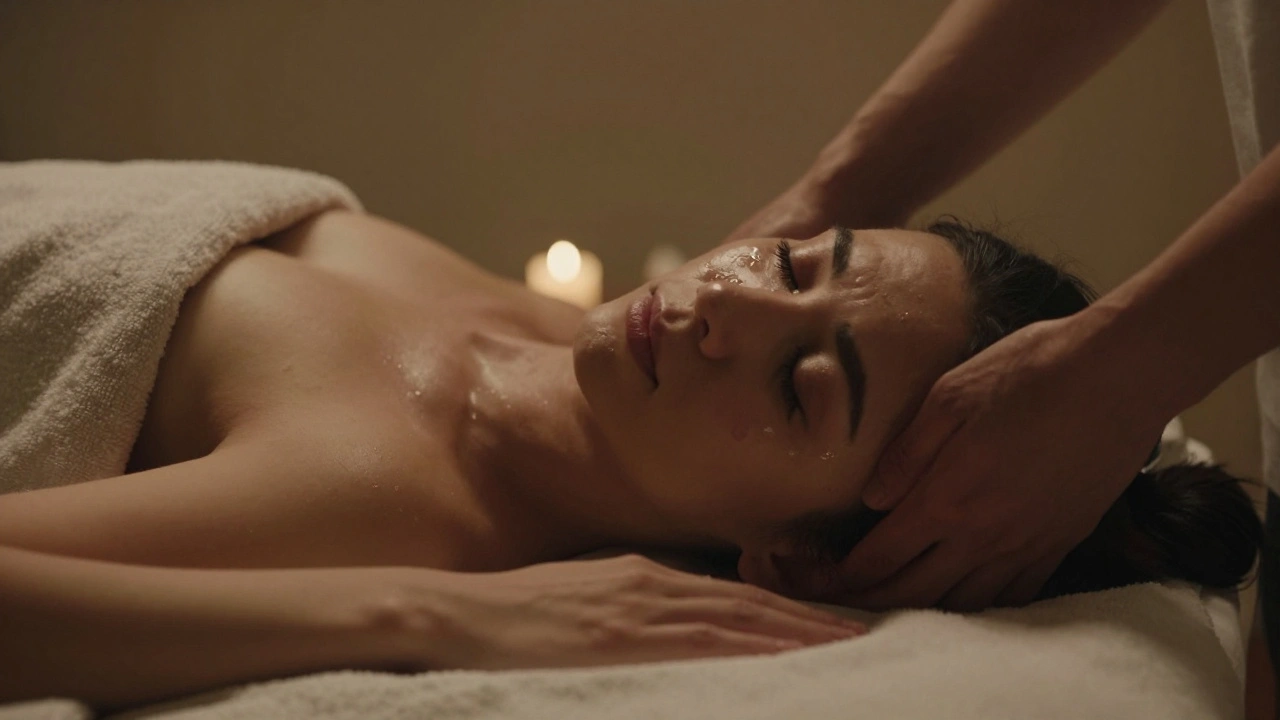
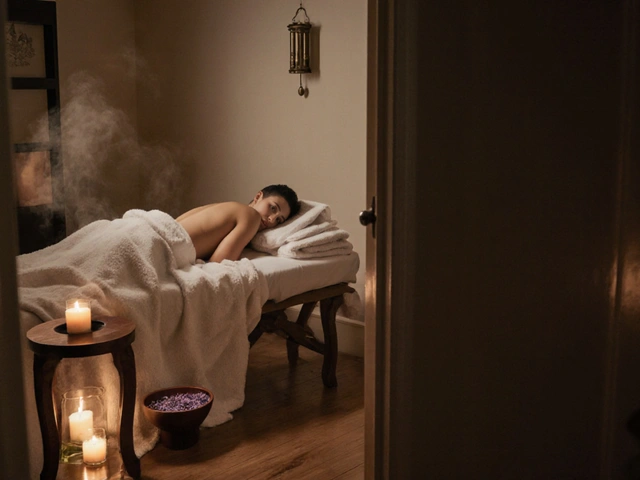
Most people expect a massage to be about pressure. But the real magic happens in the quiet moments-the pause between strokes, the warmth of the oil, the rhythm of the therapist’s breathing syncing with yours. You’ll lie on a table, covered with a towel. The room will be dim, quiet, maybe with soft music or just silence. The therapist will ask about areas of tension, but won’t force anything. You’re in control.
Some people cry during their first massage. Not because it hurts. Because for the first time in weeks, they let themselves feel safe. That’s the brain letting go. Don’t be surprised if you fall asleep. That’s your parasympathetic system finally taking over. When you wake up, you might feel heavy, slow, and strangely clear-headed. That’s normal. Your brain just took a deep breath.
Where to Find Quality Body Massage in the UK
Whether you’re in Brighton, London, Manchester, or a small town, quality body massage is easier to find than you think. Look for clinics or therapists who are members of the Complementary and Natural Healthcare Council (CNHC). That means they’re trained, insured, and follow ethical standards. Avoid places that advertise ‘happy endings’ or ‘sensual’-those aren’t about healing. Real therapeutic massage focuses on nervous system regulation, not stimulation.
Check local wellness centers, physiotherapy clinics, or even some yoga studios that offer massage as part of holistic care. Many therapists now offer mobile services-you can get a 60-minute session in your own home. That’s often more effective because you’re already in your safe space, not a clinical room.
Costs and Booking Tips
Prices vary, but here’s what you’ll typically pay in the UK:
- 30-minute session: £35-£50
- 60-minute session: £55-£80
- 90-minute session: £85-£120
Many therapists offer package deals-buy five sessions, get one free. That brings the cost down to around £50 per session. Book online or call ahead. Don’t be afraid to ask about their training. A good therapist will happily explain their approach. If they sound vague or pushy, keep looking.
Safety and Red Flags
Body massage is safe for almost everyone-but not if you’re careless. Avoid massage if you have:
- Recent injury or open wounds
- Active blood clots or deep vein thrombosis
- Severe osteoporosis
- High fever or infection
Also, never let a therapist ignore your pain. You should feel pressure, not sharp pain. If your neck or spine is manipulated aggressively, walk out. Your brain trusts your body’s signals-don’t override them.
Massage vs. Meditation for Stress Relief
| Aspect | Body Massage | Meditation |
|---|---|---|
| Speed of effect | Immediate-within 20 minutes | Takes weeks of daily practice |
| Brain changes | Reduces cortisol, boosts serotonin | Thickens prefrontal cortex over time |
| Best for | Acute stress, burnout, physical tension | Chronic anxiety, emotional regulation |
| Requires effort? | No-you’re passive | Yes-focus and discipline needed |
| Long-term impact | Requires regular sessions | Builds lasting mental resilience |
They’re not rivals. They’re partners. Use massage to calm your nervous system fast. Use meditation to train your brain to stay calm on its own. Together, they’re powerful.
Frequently Asked Questions
Can body massage help with depression?
Yes, but not as a standalone treatment. Multiple studies show massage therapy significantly reduces symptoms of depression when used alongside counseling or medication. The rise in serotonin and dopamine helps lift mood, while the reduction in cortisol eases the physical toll of depression. It’s not a cure, but it’s one of the most effective non-drug supports.
Does massage help with sleep?
Absolutely. Massage increases melatonin production-the hormone that tells your body it’s time to sleep. People with insomnia who get weekly massages fall asleep 30-40% faster and sleep 20-30% longer on average. The calming effect on the nervous system is the key.
Is it normal to feel sore after a massage?
Mild soreness is normal, especially after deep tissue work. But it should fade within 48 hours. If you feel sharp pain, swelling, or bruising, contact your therapist. Soreness means your muscles are adjusting-not your brain. If your brain feels foggy or dizzy afterward, you might have had too much pressure too fast. Always communicate during the session.
Can I get a massage if I’m pregnant?
Yes, but only with a therapist trained in prenatal massage. Avoid deep pressure on the abdomen and inner thighs. Prenatal massage lowers stress hormones in both mother and baby, improves circulation, and reduces leg cramps. Many pregnant women say it’s the only thing that helps them relax in the third trimester.
Why do I feel emotional during a massage?
Touch releases stored emotional tension. If you’ve been holding stress in your shoulders or jaw for years, the physical release can trigger buried feelings. Crying, laughing, or sudden quietness during a session isn’t unusual-it’s your nervous system releasing what it’s been holding onto. Let it happen. Your brain needed that.
Still wondering if it’s worth it? Ask yourself this: when was the last time you felt truly calm without needing a drink, a screen, or a distraction? That’s what massage gives you-not escape, but presence. And in a world that never stops demanding your attention, that’s the most powerful thing of all.







Timothy Mayle
December 28, 2025 AT 03:33There's something almost sacred about touch when it's intentional. The nervous system doesn't distinguish between a therapist's hands and a loved one's embrace-it just knows safety. This isn't just physiology, it's evolutionary anthropology. We evolved in groups, wired for connection. Modern life starves us of it, and now we're surprised when we crack under the weight of silence.
Massage doesn't fix the world-it just gives the brain permission to remember it's not alone.
anne tong
December 29, 2025 AT 15:37It's fascinating how the somatic experience of massage bypasses cognitive resistance entirely-unlike meditation or journaling, which still require the ego to engage, massage operates at the subcortical level, directly modulating limbic activity without the interference of narrative self-referential processing. The vagal tone activation is particularly compelling because it doesn't rely on top-down regulation; it's bottom-up somatic entrainment that reorients the autonomic nervous system toward coherence. This is why people cry-not because they're weak, but because their nervous system finally stopped fighting itself.
And yet, the clinical literature still treats this as a complementary modality rather than a core neuroregulatory intervention, which speaks volumes about our cultural bias toward pharmaceutical and cognitive solutions over embodied wisdom.
Angie Angela
December 30, 2025 AT 01:47Wow, so much jargon. Can we just say 'massage makes you chill' and be done? No need to sound like a neuroscience textbook. Also, 'emotional vampire'? That’s not a trait, that’s a red flag for bad therapists.
David Blair
December 30, 2025 AT 09:47Love this breakdown. The cortisol drop + serotonin spike is well-documented, but what’s rarely mentioned is the oxytocin cascade triggered by sustained, non-sexual touch-it’s the neurochemical glue of trust. That’s why mobile massage works better: you’re not just receiving touch, you’re receiving safety in a space your brain already associates with calm.
And yes, consistency > intensity. One session is a spark. Four a month? That’s a firestarter for neural plasticity. Treat it like brushing your teeth-but for your nervous system.
Stephen Robinson
December 30, 2025 AT 11:19Okay but have you considered that maybe we’re just really good at convincing ourselves that paying $80 to lie down is healing because we’re too busy to actually fix our lives? Like, sure, massage feels nice-but if your job is burning you out, maybe the real fix isn’t oil and pressure, it’s quitting.
Also, ‘happy endings’ aren’t the problem-bad regulation is. Why not just legalize it and tax it? Problem solved.
Nitin Murali
January 1, 2026 AT 10:04Interesting how the author romanticizes touch as if it’s a panacea. The vagus nerve isn’t a magic wand-it’s a biological pathway. And yes, cortisol drops, but so does it with a cold shower, a 10-minute walk, or even deep breathing. This reads like a wellness influencer’s sponsored post with footnotes.
Also, ‘emotional release’? That’s just a euphemism for crying because you haven’t processed trauma in 12 years. Massage doesn’t heal-you do. The hands just open the door.
Sarah Kavanagh
January 1, 2026 AT 15:17I used to think massage was just for rich people who could afford to nap. Then I got one after my dad died. I didn’t cry-I just felt like I could breathe again. Not because it fixed anything, but because for an hour, I wasn’t supposed to be strong. That’s all I needed.
It’s not science. It’s permission.
Brent Rockwood
January 3, 2026 AT 07:13Minor grammar note: 'The room will be dim, quiet, maybe with soft music or just silence.' Should be 'The room will be dim and quiet, maybe with soft music or just silence.' Also, 'your brain just took a deep breath' is cute but scientifically inaccurate-brains don't breathe. Lungs do. Just saying.