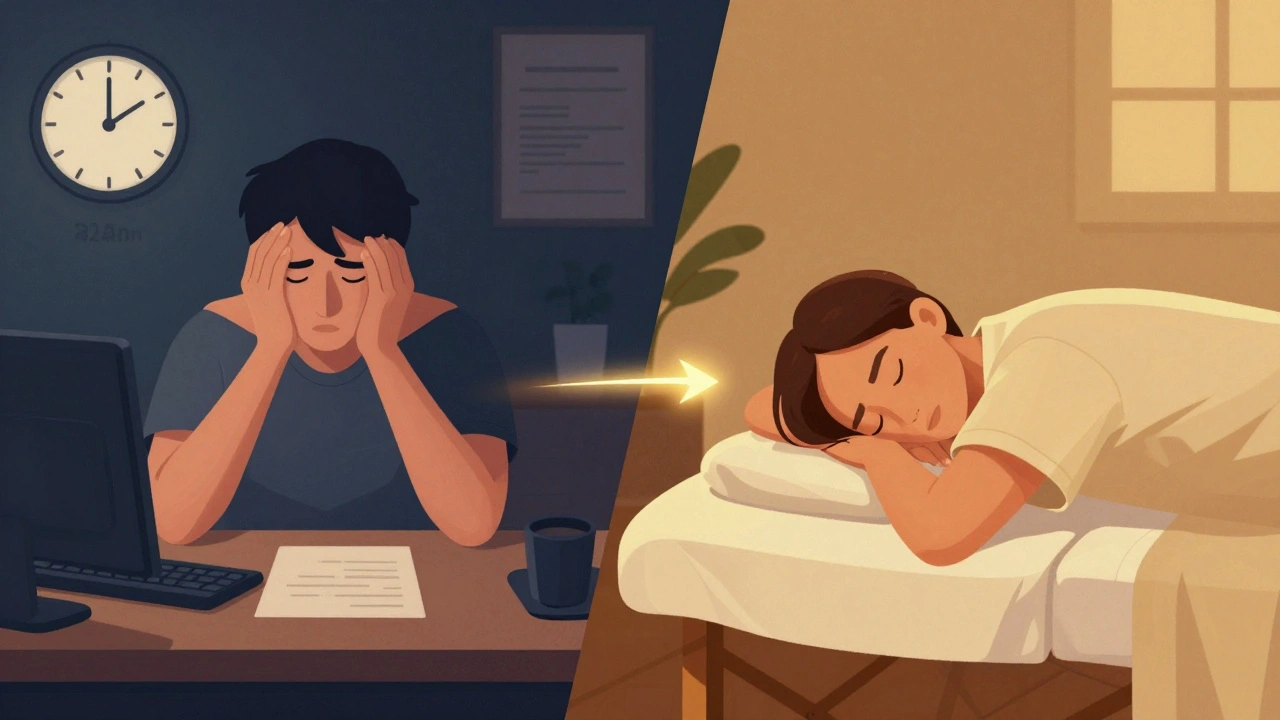
You know that feeling when your shoulders are so tight you can’t remember what it’s like to breathe normally? Or when your mind races at 2 a.m. even though you’re exhausted? We’ve all been there. And while coffee, scrolling, or another round of meetings might seem like the fix, the real solution often lies beneath your skin - in the quiet, steady pressure of a relaxation massage.
Key Takeaways
- Relaxation massage isn’t just about feeling good - it’s a science-backed tool for reducing stress, improving sleep, and balancing your nervous system.
- Unlike deep tissue or sports massage, it’s designed to calm, not correct - making it perfect for everyday stress, not injury recovery.
- Regular sessions can lower cortisol levels, boost serotonin, and help your body shift from "fight or flight" to "rest and digest."
- You don’t need a spa or expensive package. Even a 30-minute session once a week can make a measurable difference.
- It works best as part of a broader wellness routine - not a one-off fix.
What Is Relaxation Massage, Really?
Relaxation massage, sometimes called Swedish massage, is the gentle, flowing kind. Think long strokes, light pressure, and rhythmic movements - not the bone-crunching work of deep tissue. Its goal isn’t to fix a sore back or release trigger points. It’s to invite your body to slow down.
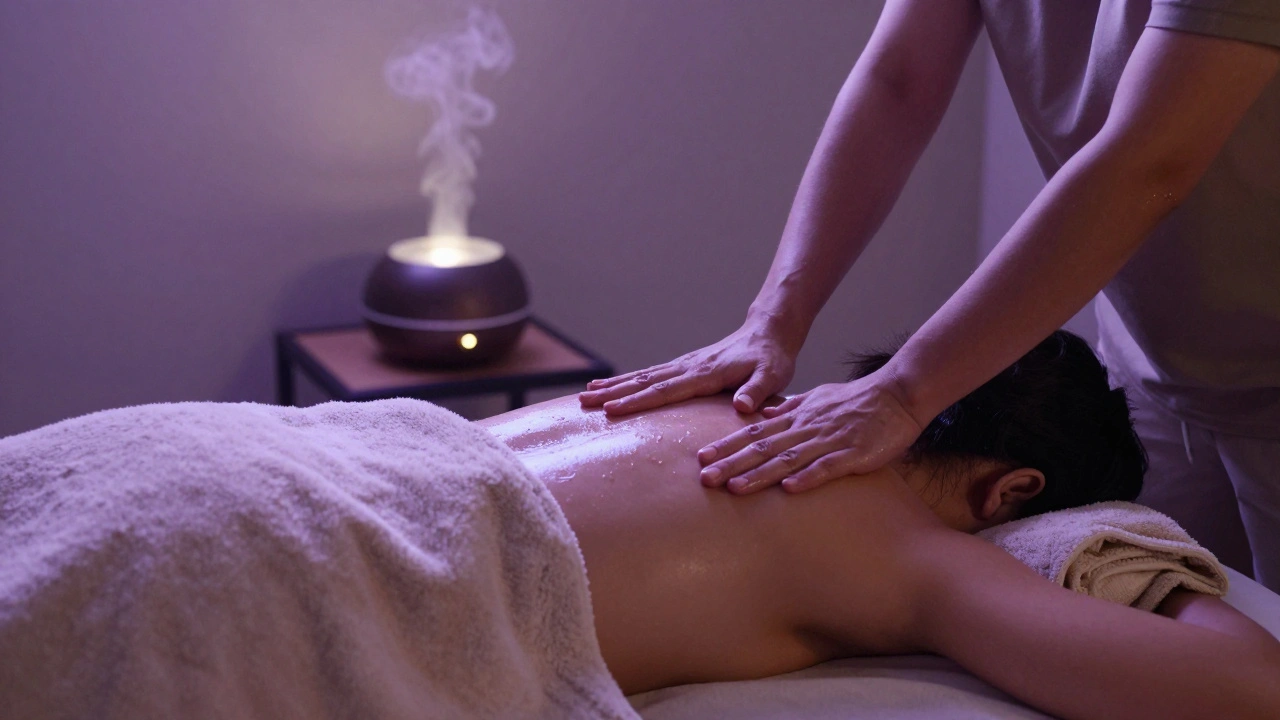
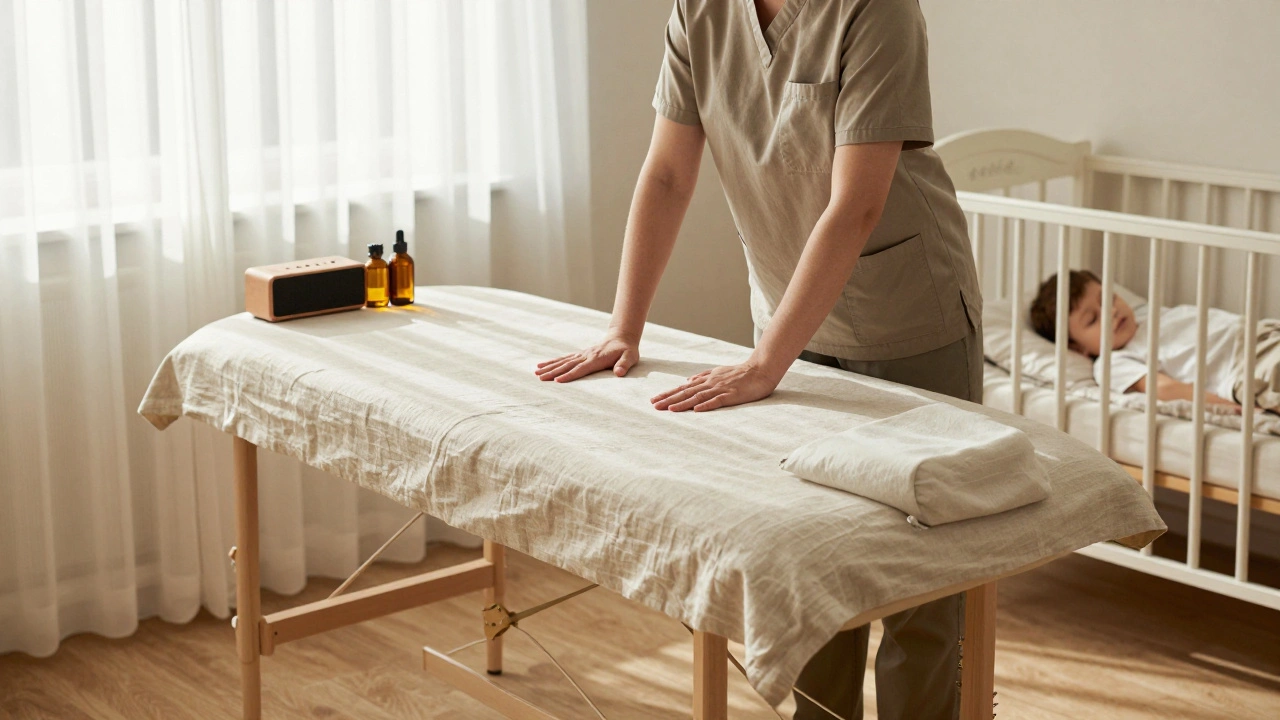
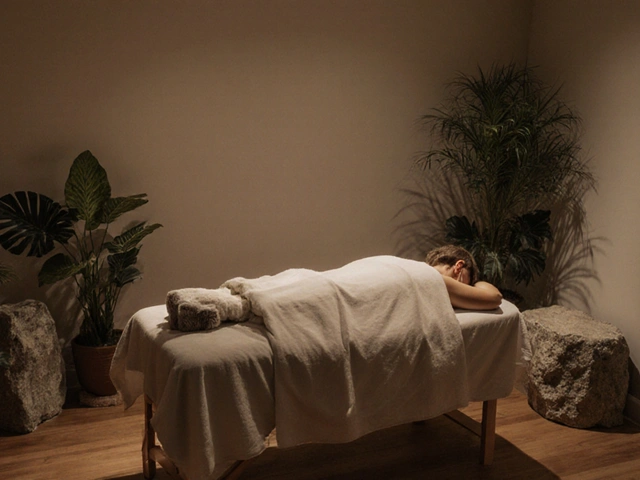
When you lie down, the therapist uses oil or lotion and moves in smooth, gliding motions across your back, arms, legs, and neck. The pressure is firm enough to feel connected, but never painful. The room is warm. The music is soft. The lights are low. And for the first time in days - maybe weeks - you’re not doing anything. Just being.
This isn’t luxury. It’s biology. Your nervous system has two main modes: sympathetic (stress mode) and parasympathetic (rest mode). Modern life keeps us stuck in stress mode. A relaxation massage gently flips the switch. Studies from the Journal of Clinical Psychology show that even a single 60-minute session can reduce cortisol - your main stress hormone - by up to 31%.
Why It Matters for Holistic Health
Holistic health doesn’t mean just eating kale and meditating. It’s about how all parts of you - body, mind, emotions - talk to each other. When your muscles are tense, your breathing gets shallow. Shallow breathing means your heart races. A racing heart means your brain thinks you’re in danger. And suddenly, you’re anxious, tired, and irritable - even if nothing "bad" happened.
Relaxation massage interrupts that loop. It tells your body: "You’re safe. You can let go."
Here’s what that looks like in real life:
- After three weeks of weekly massages, Sarah from Birmingham stopped taking sleeping pills. She told her therapist, "I finally sleep through the night - no more 3 a.m. panic."
- Mark, a warehouse manager, used to get headaches every Friday. He started getting 20-minute chair massages at lunch. Within a month, the headaches dropped by 70%.
- A 2023 study at the University of Miami found that people who received regular relaxation massage had lower blood pressure and improved immune response compared to those who didn’t.
This isn’t placebo. It’s physiology. Your skin is your largest organ - and it’s wired directly to your brain. When it’s touched with care, your brain hears it as safety.
How It Compares to Other Massage Types
| Feature | Relaxation Massage | Deep Tissue | Sports Massage | Thai Massage |
|---|---|---|---|---|
| Primary Goal | Calming the nervous system | Breaking up chronic tension | Improving athletic performance | Increasing flexibility and energy flow |
| Pressure Level | Light to moderate | Deep, intense | Variable, often firm | Medium to firm, with stretching |
| Best For | Stress, sleep, anxiety | Chronic pain, knots | Recovery, injury prevention | Stiffness, energy slump |
| After Effects | Feeling calm, sleepy, grounded | Soreness for 1-2 days | Improved mobility, some fatigue | Alert but relaxed |
| Frequency Recommended | Weekly or biweekly | Monthly (as needed) | Before/after events | Biweekly |
What Happens During a Session
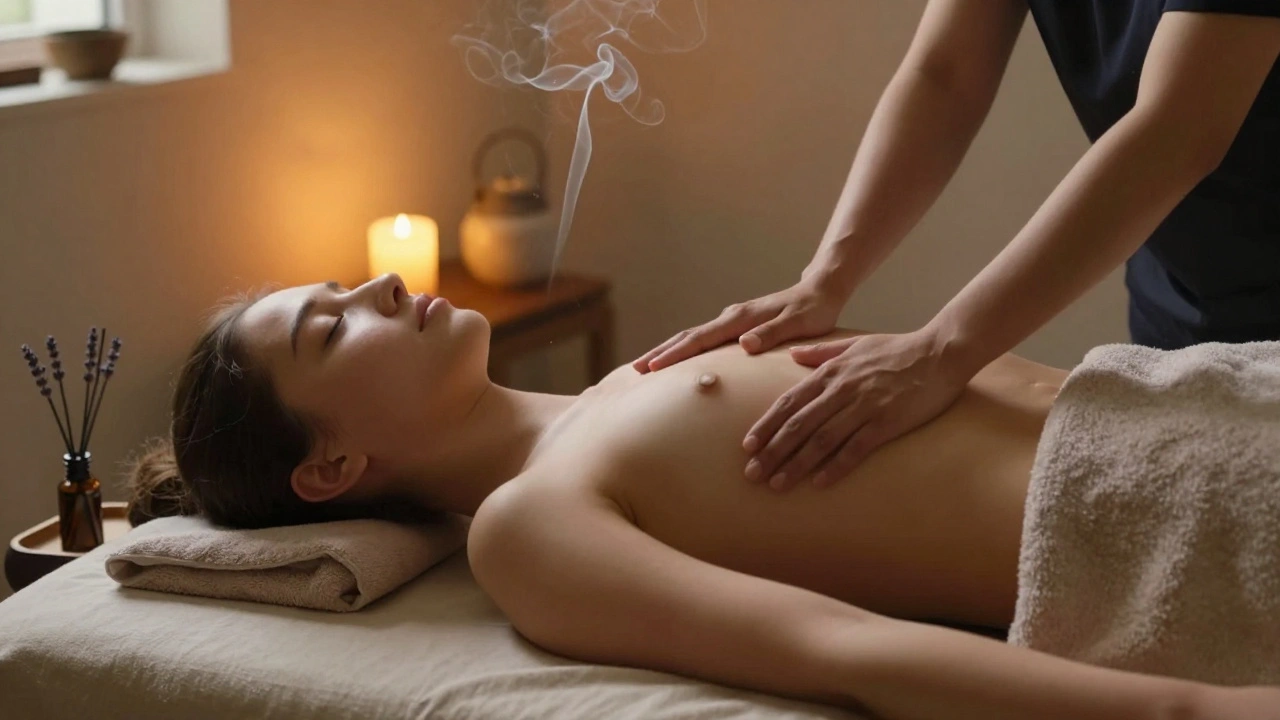
Picture this: You walk into a quiet room. The air smells faintly of lavender and warm coconut oil. You’re offered a warm towel. You undress to your comfort level (yes, you can keep your underwear on) and lie on a heated table under a soft blanket.
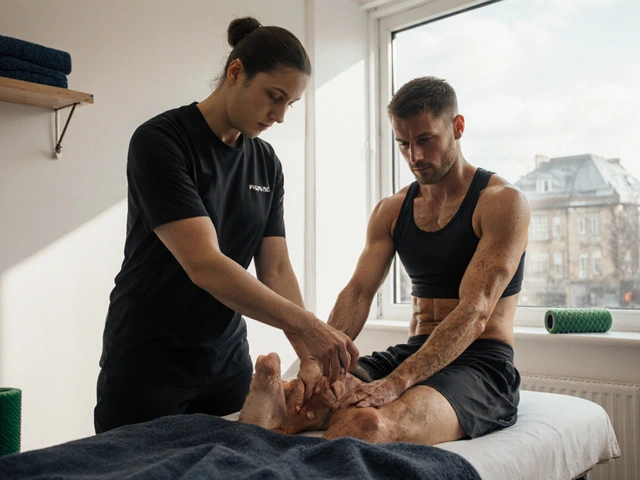
The therapist leaves the room. You breathe. You close your eyes. Then, slowly, warmth spreads across your shoulders. A hand glides down your spine. Another cradles your foot. No music with lyrics. No talking. Just the sound of your breath syncing with theirs.
They work on your back first - where most of us store stress. Then your legs, arms, neck. If you’re tense in your jaw, they’ll gently rest their fingers there. If you sigh, they’ll smile. If you fall asleep - perfect. That’s the goal.
Most sessions last 60 or 90 minutes. But even 30 minutes works. I’ve seen people come in after a 12-hour shift, get a 20-minute back and neck massage, and leave looking like they’ve been on vacation.
Where to Find Relaxation Massage in the UK
You don’t need to go to a luxury spa to get real results. In Birmingham, you’ll find plenty of skilled therapists offering relaxation massage in quiet clinics, home visits, or even office-based setups.
- Local wellness studios: Places like The Still Point in Moseley or Serenity Space in Edgbaston focus on calm, not crowds.
- Mobile therapists: Many offer in-home sessions - perfect if you’re too tired to travel.
- Corporate wellness programs: Some companies now offer 15-minute chair massages on-site. Ask your HR department.
- Community centres: Check out Birmingham City Council’s wellness calendar - they run low-cost monthly sessions.
Look for therapists who are members of the Complementary and Natural Healthcare Council (CNHC). That means they’ve met national standards for training and safety.
What to Expect in Pricing
Relaxation massage doesn’t have to break the bank.
- 30-minute session: £35-£45
- 60-minute session: £55-£75
- 90-minute session: £85-£110
Mobile services might cost £10-£15 extra due to travel. Some therapists offer package deals - 5 sessions for the price of 4. That’s a solid way to build a habit.
Pro tip: Book during off-peak hours (weekday afternoons or early mornings). You’ll often get a 10-15% discount.
Safety and What to Avoid
Relaxation massage is safe for almost everyone - but not if you’re doing it wrong.
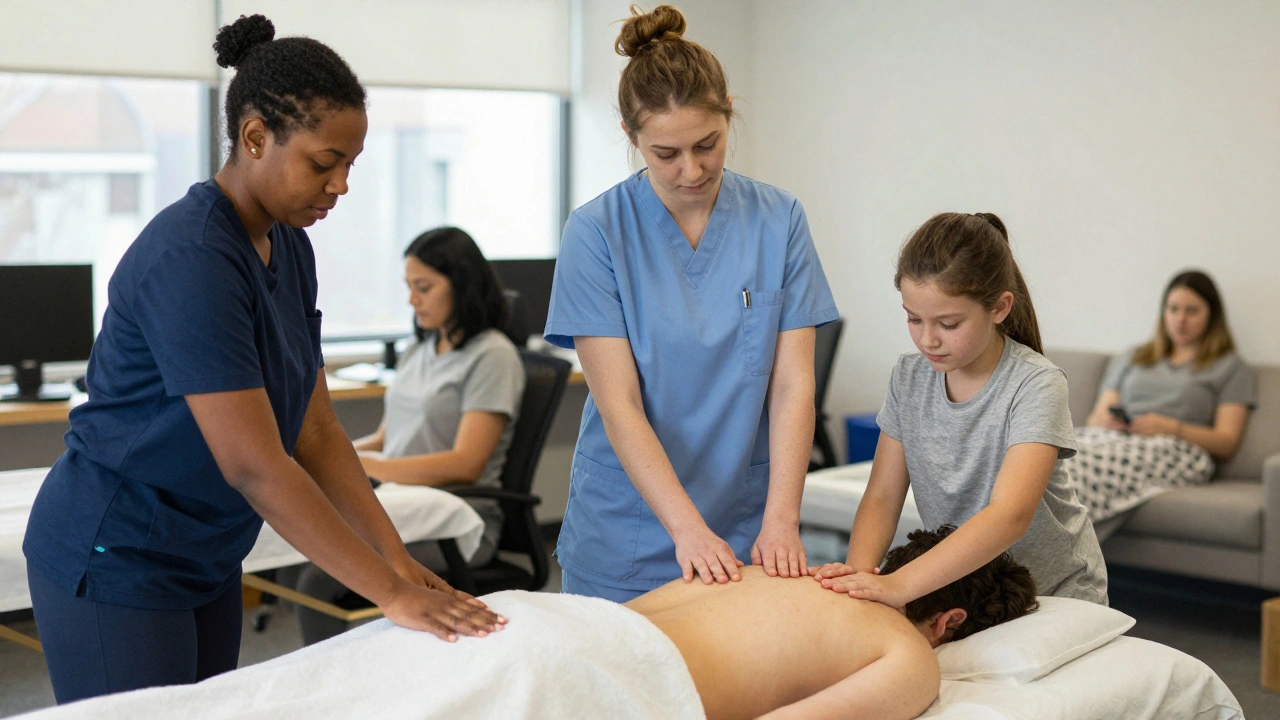
- Don’t go to someone who doesn’t ask about your health. If they skip the intake form, walk out. You might have high blood pressure, a recent injury, or a pregnancy that needs special care.
- Don’t expect "healing" from one session. This isn’t magic. It’s cumulative. Like brushing your teeth - you need to do it regularly.
- Don’t use it to replace medical care. If you have chronic pain, depression, or anxiety, massage helps - but it doesn’t cure. Pair it with therapy or your GP.
- Don’t feel pressured to talk. Silence is part of the therapy. If a therapist keeps asking questions or making small talk, it’s not relaxation - it’s distraction.
How to Make It Stick
One massage won’t change your life. But one massage a week for three months? That changes everything.
Here’s how to build it into your life:
- Start with one 30-minute session. See how you feel the next day.
- Book the next one before you leave. Use a reminder on your phone.
- Pair it with something you already do - like a weekly bath, journaling, or Sunday tea.
- Track your sleep, mood, and stress levels for four weeks. You’ll notice patterns.
- Don’t wait until you’re overwhelmed. Go before you’re broken.
Think of it like watering a plant. You don’t wait until it’s brown and crispy. You water it before it gets there.
Frequently Asked Questions
Is relaxation massage the same as a spa massage?
Not always. Spa massages can include aromatherapy, hot stones, or long rituals - which are lovely, but not necessary. True relaxation massage is about touch, rhythm, and nervous system calming. You can get the same benefits from a quiet clinic with a skilled therapist - no candles or rose petals needed.
Can I do relaxation massage on myself?
You can’t fully replicate it, but you can get close. Try using a foam roller on your back, massaging your neck with your knuckles, or doing a 5-minute hand-and-forearm stroke with coconut oil before bed. It won’t replace a therapist, but it helps bridge the gap - especially if you’re between sessions.
Will I feel sleepy afterward?
Yes - and that’s normal. Your body has been in survival mode for too long. The massage tells it it’s safe to shut down. Don’t schedule a big meeting right after. Give yourself an hour to ease back in. Drink water. Walk slowly. Let your nervous system settle.
How often should I get a relaxation massage?
Start with once a month. If you’re stressed, move to once every two weeks. For chronic stress or anxiety, once a week for 6 weeks then taper off. Most people find that 2-4 sessions a month is the sweet spot for long-term balance.
Is it okay if I fall asleep during the massage?
Absolutely. In fact, therapists see it as a win. If you’re falling asleep, your body trusts you enough to let go. That’s the whole point. Don’t feel awkward - it means you’re doing it right.
Can relaxation massage help with anxiety?
Yes - and not just "a little." A 2022 study in the Journal of Alternative and Complementary Medicine found that people with generalized anxiety disorder who received weekly relaxation massages for 8 weeks saw a 42% drop in anxiety symptoms. It doesn’t replace therapy, but it gives your nervous system a break from constant alertness - which is half the battle.
Final Thought
You don’t need to be sick, broken, or rich to benefit from relaxation massage. You just need to be tired. And if you’re tired - if you’re carrying stress in your shoulders, racing thoughts in your head, or a knot in your stomach - then this isn’t a luxury. It’s a reset button. And it’s waiting for you.
Ready to breathe again? Book your first session. You’ve earned it.


Sarah Kavanagh
March 6, 2026 AT 13:40There’s something sacred about being touched without being fixed.
Most of our lives are about doing-doing better, doing more, doing faster.
A massage doesn’t ask you to improve. It just asks you to be.
That’s radical in a world that treats rest like a failure.
I used to think it was selfish to take time for myself.
Now I know it’s the only way I can show up for anyone else.
Not because I’m ‘healed’-but because I’m finally allowed to be human.
And maybe that’s the whole point.