You ever wonder what happens behind the closed door of a massage room in London? Not the spa ads, not the Instagram posts with candles and lavender - but the real, messy, tired, rewarding day of someone who spends their hours pressing hands into shoulders, backs, and necks? Here’s what it actually looks like.
6:30 AM - The Quiet Before the Storm
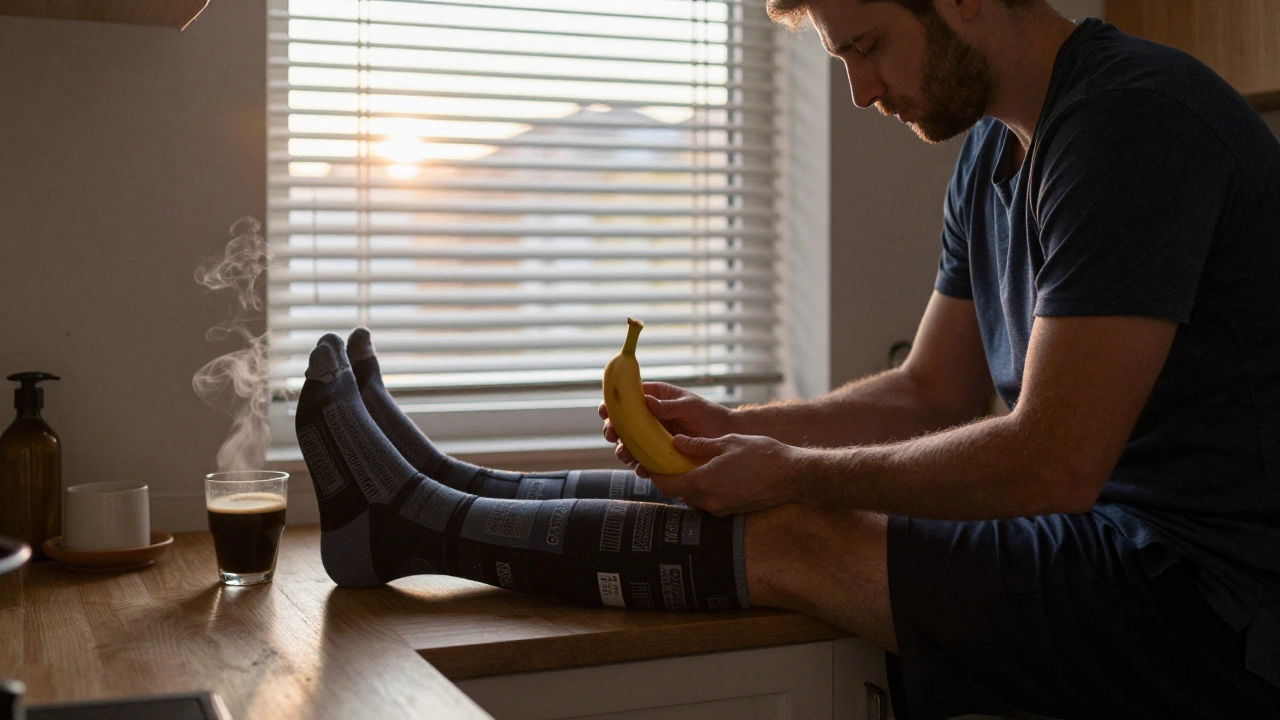
The alarm goes off before sunrise. No snoozing. Coffee brews while the city is still asleep. You check your calendar - seven appointments today. One cancellation last night, so you’re back up to full. You grab a banana, throw on your compression socks, and do five minutes of stretching. Your body’s your tool, and if it’s stiff, your clients feel it. You’ve learned the hard way: if you don’t take care of your own muscles, you won’t be able to take care of theirs.7:45 AM - Arrival at the Studio
The studio is in a converted townhouse in Notting Hill. Clean white walls, soft lighting, the faint smell of eucalyptus. You’re the first one here. You turn on the heater, check the oil bottles, wipe down the table with disinfectant, and lay out fresh linens. No shortcuts. Every client deserves a sterile, calm space. You scroll through your notes from yesterday’s client - Sarah, 42, chronic lower back pain from sitting at a desk. She needs more focus on her glutes and hamstrings. You mark it in your journal. Memory fades. Notes don’t.9:00 AM - First Client: The Corporate Burnout
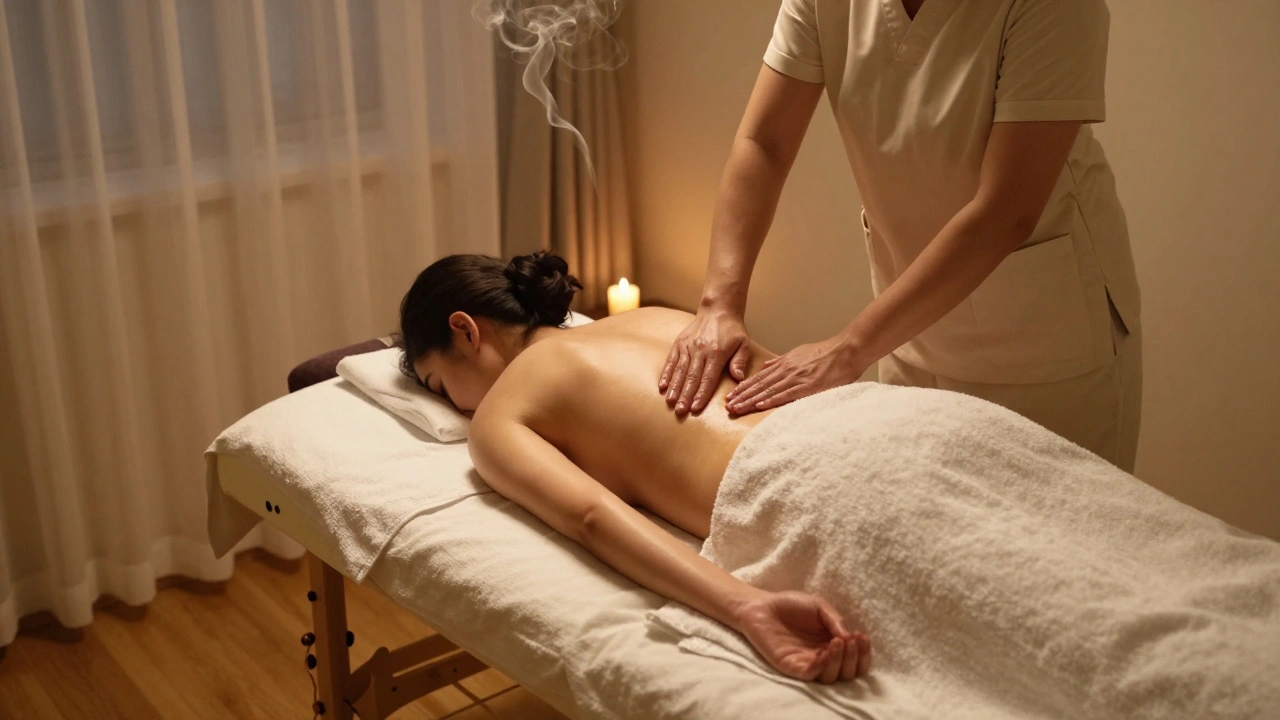
Emma arrives, still in her work blazer. She doesn’t even take it off. She says, “I just need to feel my body again.” You don’t ask for details. You don’t need to. You’ve seen this before - the tight traps, the shallow breathing, the way her fingers tremble when she talks. You start with Swedish strokes - long, slow glides down her spine. Her shoulders drop. You hear her exhale for the first time all day. Thirty minutes in, she’s asleep. You don’t move. You don’t rush. This is why you do this. Not for the money. Not for the title. For this moment - when someone finally lets go.10:30 AM - The Athlete
Next is Marco, a runner training for the London Marathon. He’s got knots in his quads that feel like rocks. You use deep tissue techniques - slow pressure, cross-fiber friction, trigger point release. He winces. You don’t apologize. You say, “It’s supposed to hurt a little. That’s the good kind of pain.” He nods. You know he’ll be back next week. Athletes understand. They know recovery isn’t optional. You check his posture, ask about his stretching routine. He says he’s been skipping it. You give him three simple moves. He writes them down on his phone. You’ve made a difference. That’s enough.12:00 PM - Lunch Break: Real Food, Real Rest
You eat at a tiny deli near Holland Park. Salad, grilled chicken, no dressing. You don’t have time for heavy meals. Your hands need energy, not digestion. You sit outside. No phone. Just the sun and the sound of birds. You close your eyes. Five minutes. That’s all you get. Your thumbs ache. You roll them gently against each other. You’ve been doing this for seven years. Your hands have memorized every muscle in the human body.1:30 PM - The Chronic Pain Client
Linda, 68, has fibromyalgia. She comes every Tuesday. She doesn’t talk much. Just says, “Do what you think is right.” You use light touch - myofascial release, gentle rocking, warm stones. You don’t push. You don’t force. You listen with your hands. Her skin is thin. Her pain is deep. You can’t fix it. But you can give her two hours where it feels lighter. She leaves with tears in her eyes. “Thank you,” she whispers. You don’t say anything. You just nod. Some things don’t need words.
3:30 PM - The First-Time Client
Jake, 29, booked this because his girlfriend said he “needs to chill.” He’s nervous. Keeps asking, “Will it hurt?” “Do I have to take my clothes off?” You explain everything. You show him the draping technique. You tell him he can stop anytime. He laughs. “I thought this was for rich people or weirdos.” You smile. “It’s for anyone who’s tired.” He ends up falling asleep. When he wakes up, he says, “I didn’t know my neck could feel that good.” That’s the moment you live for. The transformation. The realization that healing doesn’t have to be complicated.5:00 PM - The Last Appointment: A Couple
A pair of newlyweds. They wanted something “romantic.” You set up two tables side by side. Soft music. Dim lights. You give them the same Swedish routine - gentle, flowing strokes. They hold hands under the sheets. You don’t look. You just work. Afterward, the woman says, “I didn’t know we could feel this close without talking.” You don’t say anything. You just smile. Some connections don’t need to be spoken.6:30 PM - Shutdown
You clean everything. Wash the linens. Refill the oils. Turn off the lights. You lock the door. Your feet are swollen. Your shoulders are tight. You drive home in silence. No podcast. No music. Just the road. You think about the day. The pain you eased. The silence you held. The trust they gave you. You don’t feel tired. You feel full.What Makes a Good Massage Therapist in London?
It’s not about being strong. It’s about being present. You need to know anatomy - yes - but more than that, you need to read bodies. You learn to tell if someone’s holding their breath because they’re stressed, or if their jaw is clenched from anger. You notice when a client flinches at a certain touch - that’s a trauma response. You adjust. You don’t push. You don’t assume. You listen. You also need boundaries. You’re not a therapist, but you hear things. People cry. People confess. You don’t give advice. You don’t judge. You just hold space. And you protect your own energy. You say no to extra clients. You take days off. You go to your own massage once a month. You’ve learned: you can’t pour from an empty cup.Types of Massage Therapy You’ll See in London
London’s a big city, and so are its needs. You’ll work with people who want:- Swedish massage - for relaxation, stress relief, and gentle flow.
- Deep tissue - for athletes, office workers, anyone with chronic tension.
- Myofascial release - for chronic pain, fibromyalgia, or post-surgery recovery.
- Trigger point therapy - for headaches, shoulder pain, or sciatica.
- Prenatal massage - for expectant mothers needing relief without pressure.
How to Find a Real Massage Therapist in London
Don’t trust the first Google result. Look for therapists with:- Valid certifications - CMT, ITEC, or VTCT qualifications.
- Clear photos of their space - no dim lighting, no suggestive props.
- Written policies on hygiene, draping, and consent.
- Reviews that mention technique, not just “felt amazing.”

What to Expect During Your First Session
You’ll fill out a health form. Be honest. High blood pressure? Recent surgery? Pregnancy? That changes everything. You’ll undress to your comfort level. You’ll be draped at all times - no exposure. You’ll lie on a heated table. The room will be quiet. The oil will be warm. You’ll feel pressure - sometimes deep, sometimes light. You might fall asleep. That’s normal. You might cry. That’s okay too. You won’t be judged. You’ll leave feeling lighter. Not just physically - emotionally. That’s the magic.Pricing in London: What You’ll Pay
Prices vary by location, experience, and setting:- Home or studio (1 hour): £60-£90
- High-end spa (1 hour): £100-£150
- Mobile therapist (1 hour): £80-£120 (includes travel)
- Package deals (5 sessions): Often 10-15% off
Safety Tips for Clients
- Never go to a therapist who doesn’t ask for your health history. - Always ask about draping - you should never be exposed. - If they suggest “happy endings” or “sensual” services, leave. That’s not therapy. - Check if they’re registered with a professional body like the Complementary and Natural Healthcare Council (CNHC). - Trust your gut. If something feels off, you have the right to stop.Massage Therapy vs. Other Relaxation Services in London
| Feature | Massage Therapy | Spa Treatments | Yoga Classes |
|---|---|---|---|
| Primary Goal | Relieve muscle tension, improve mobility, reduce pain | General relaxation, pampering | Improve flexibility, mental focus |
| Hands-On? | Yes - therapist applies pressure | Usually no - may include scrubs or wraps | No - self-guided movement |
| Medical Recognition | Yes - often covered by private insurance | No | Partial - for stress, not physical injury |
| Training Required | 200+ hours certified training | Short courses (1-2 days) | Teacher certification (200+ hours) |
| Long-Term Results | Improves posture, reduces chronic pain | Temporary calm | Improves mental clarity, flexibility |
Frequently Asked Questions
Is massage therapy in London regulated?
Yes. Licensed therapists must hold a recognized qualification like ITEC or VTCT and often register with the Complementary and Natural Healthcare Council (CNHC). They’re required to carry insurance and follow strict hygiene standards. Always ask to see their credentials.
Can massage therapy help with back pain?
Absolutely. Studies from the Annals of Internal Medicine show that massage therapy is as effective as medication for chronic lower back pain - without the side effects. It reduces muscle tightness, improves circulation, and helps reset the nervous system. Many physiotherapists in London refer patients to massage therapists as part of treatment plans.
How often should I get a massage?
For general maintenance, once a month is enough. If you’re dealing with pain, injury, or high stress, once a week for 4-6 weeks helps reset your body. Athletes often go twice a week during training. There’s no rule - listen to your body. If you feel better after a session, you’re probably ready for the next one.
Do I have to take my clothes off?
No. You can keep your underwear on. Most therapists use draping - meaning only the part being worked on is uncovered. You’ll always be covered. If someone asks you to undress completely or makes you uncomfortable, leave. Your comfort is non-negotiable.
Why do some massage therapists charge more than others?
Experience, training, location, and specialization matter. A therapist with 10 years of experience treating athletes or chronic pain will charge more than someone who just finished a 50-hour course. Also, studios in central London have higher rent. You’re paying for skill, not just time.





Kendra Joiner
January 6, 2026 AT 09:39The notion that massage therapy is ‘healthcare’ is a dangerous semantic inflation. There is no peer-reviewed, double-blind, randomized controlled trial demonstrating that myofascial release alters the natural progression of fibromyalgia or chronic lower back pain. The Annals of Internal Medicine study cited references a meta-analysis with significant publication bias. This piece reads like an advertisement disguised as memoir, and the romanticization of ‘holding space’ is a therapeutic fallacy that undermines clinical boundaries. You are not a healer. You are a manual laborer with a certification.
Kristen Jacobsen
January 7, 2026 AT 08:05Okay but that moment when Emma fell asleep?? I cried. Like, actually cried. My therapist in Portland does this exact thing - she doesn’t say a word, just lets you melt. And the part about Linda’s thin skin and the warm stones? That’s the stuff they don’t show on Instagram. You don’t need fancy oils or candles - you need someone who sees you. Thank you for writing this. I’m booking my first session next week.
Lara Álvarez González
January 8, 2026 AT 21:30Given the biomechanical and neurophysiological frameworks underpinning therapeutic touch, the efficacy of Swedish massage as a modality for vagal tone modulation is well-documented in the Journal of Bodywork and Movement Therapies (2021). Moreover, the cross-fiber friction technique applied to Marco’s quads likely induced a local inflammatory cascade, promoting collagen remodeling - which, when paired with proprioceptive feedback, enhances neuromuscular efficiency. That said, the absence of any mention of fascial manipulation via myofascial release protocols in the context of postural dyskinesia is a notable lacuna in the clinical narrative. Are you utilizing strain-counterstrain or direct myofascial release? And if so, what is your pressure gradient per session? I’m asking because I’m researching for a thesis.
Lillie Shelton
January 10, 2026 AT 20:43I’ve never been to a massage therapist, but I’ve sat in waiting rooms with people who’ve come straight from the hospital, from divorce court, from the funeral. I’ve seen the way their hands shake before they walk in. And I’ve seen the way they walk out - not just looser, but quieter. Like the noise inside them finally got a chance to settle. You don’t need a fancy title to do that. You just need to show up. And you need to remember that your hands are the only thing that knows how to hold someone without asking them to explain why they’re broken. I’m so glad you’re still doing this. Even on the days your thumbs ache. Even when you’re tired. Keep showing up. The world needs more of you.
Geoffrey Leslie
January 12, 2026 AT 16:53Incorrect. The phrase ‘you’re not a therapist’ is grammatically inaccurate in this context - it should be ‘you are not a therapist,’ as the contraction ‘you’re’ is only valid in informal speech, and this is presented as a professional reflection. Additionally, the claim that massage therapy is ‘covered by private insurance’ is misleading - it’s only covered under specific plans with pre-authorization and a doctor’s referral, which is rarely mentioned. Furthermore, ‘CNHC’ is not a regulatory body; it’s a voluntary register. The real regulator is the Health and Care Professions Council (HCPC), which does not recognize massage therapists as regulated professionals. This entire piece is riddled with inaccuracies masquerading as wisdom. And ‘happy endings’? That’s not a euphemism - it’s a criminal offense. Please stop glorifying borderline illegal practices.
Cheyenne M
January 14, 2026 AT 16:41