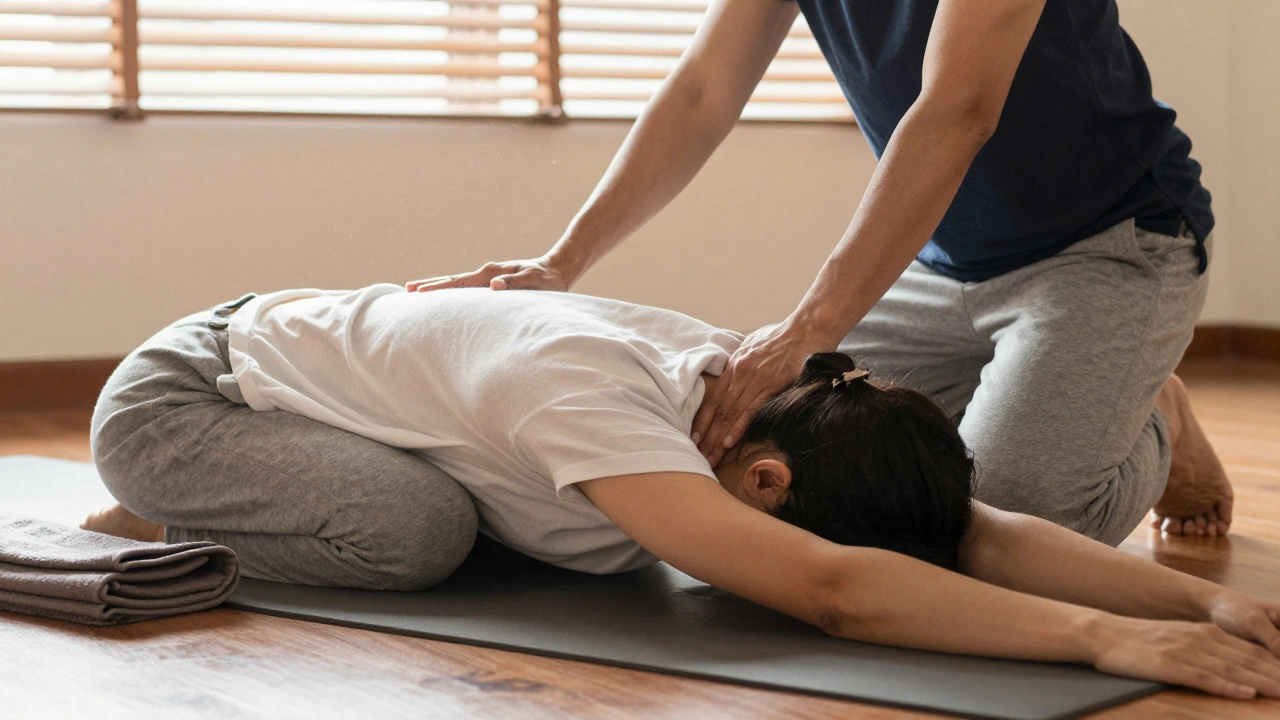
You’ve heard about Thai massage. Maybe a friend raved about it, or you saw it on Instagram-someone stretched like a pretzel while a therapist moved them through poses. You’re curious. But if you’ve never tried it, it can feel a little intimidating. What actually happens? Do you need to be flexible? Is it painful? Should you wear anything special? Let’s cut through the noise and break it down, step by step, for someone who’s never done it before.
What You’ll Experience in Your First Thai Massage
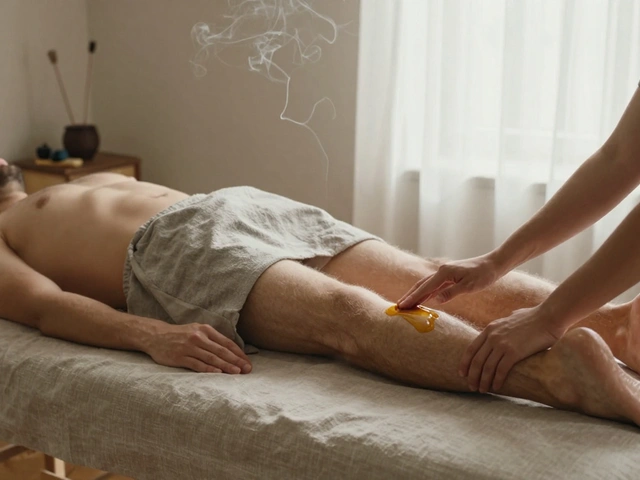
Thai massage isn’t like a Swedish massage where you lie still under warm oil. It’s more like a guided yoga session with a human partner. You stay fully clothed, usually in loose, comfortable clothes. The therapist uses their hands, thumbs, elbows, knees, and even feet to apply pressure and guide your body through stretches. No oils. No hot stones. Just you, a mat on the floor, and someone who knows how to move your body gently but firmly.
It’s not about relaxation through stillness-it’s about movement. You’ll feel your muscles release as you’re pulled into deep stretches you couldn’t do on your own. Your hips might open. Your shoulders might drop. Your spine might feel longer than it has in months. It’s common to feel a little sore the next day, like after a good workout. That’s normal. It means your body was held in places it hasn’t been in a long time.
Why Thai Massage Works for Beginners
People often think Thai massage is only for yogis or athletes. But that’s not true. It’s actually one of the best massage types for beginners because it’s not about pressure-it’s about alignment. If you sit at a desk all day, your shoulders hunch forward. Your lower back tightens. Your hips get stuck. Thai massage gently pulls you back into balance. You don’t need to be flexible. The therapist works with your current range, not your ideal.
One client in Birmingham, a 52-year-old teacher with chronic lower back pain, told me after her first session: "I thought I’d be too stiff. But the therapist didn’t push. She waited. And by the end, I could bend over to tie my shoes without groaning." That’s the power of this style. It doesn’t force. It invites.
What to Wear and Bring
Wear something loose and stretchy. Sweatpants and a T-shirt work great. Avoid jeans, tight leggings, or anything with zippers or buttons that dig in. Most places provide a clean mat and a small towel, but you might want to bring your own if you’re sensitive to shared linens. Skip heavy perfumes or lotions-the therapist will be moving you around, and strong scents can be distracting.
You’ll also want to avoid eating a big meal right before. A light snack an hour beforehand is fine, but don’t show up with a full stomach. You’ll be twisting, bending, and stretching-your body won’t thank you for that burrito.
How Long Does a Session Last?
Most first-timers start with a 60-minute session. That’s enough time to cover the major areas: back, legs, hips, arms, neck, and shoulders. Some places offer 90-minute sessions, but if you’re new, 60 minutes gives you a solid taste without overwhelming you. You’ll usually have 5-10 minutes at the start to chat about any injuries or areas you want to focus on. The therapist will ask if you feel too much pressure at any point. Speak up. This isn’t a competition. You’re not supposed to endure pain-you’re supposed to feel relief.
What Happens During the Session?
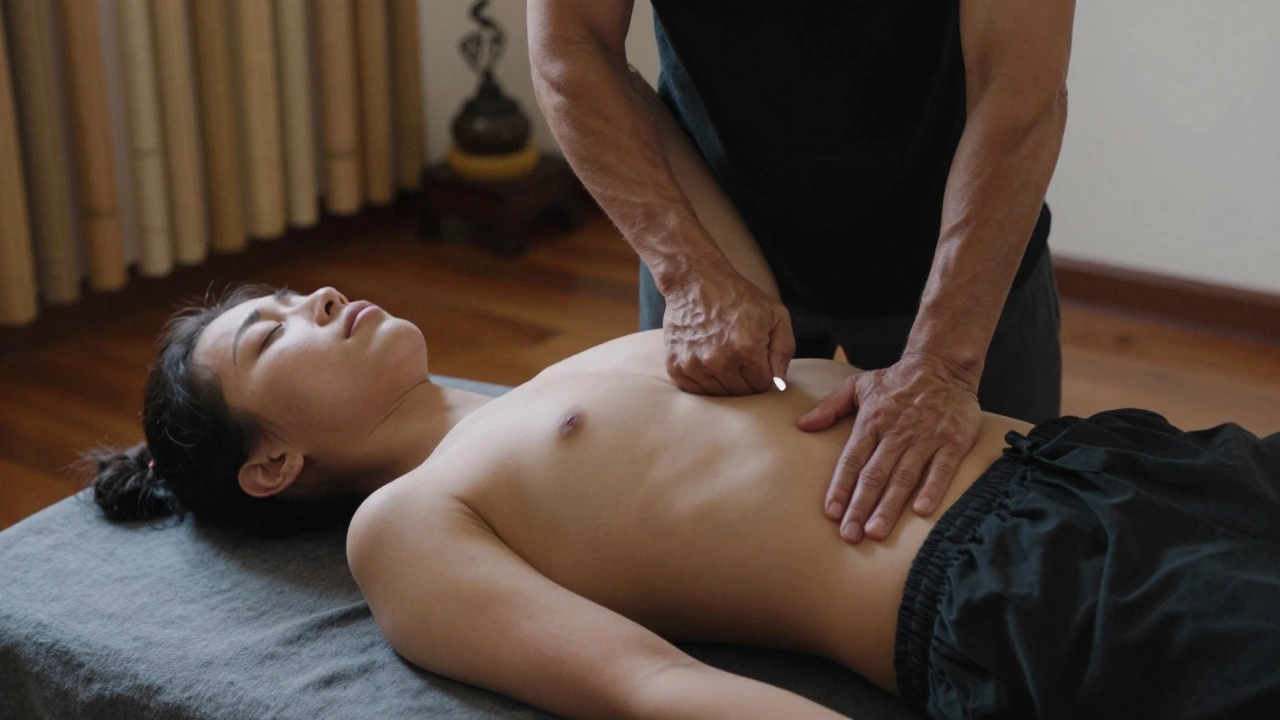
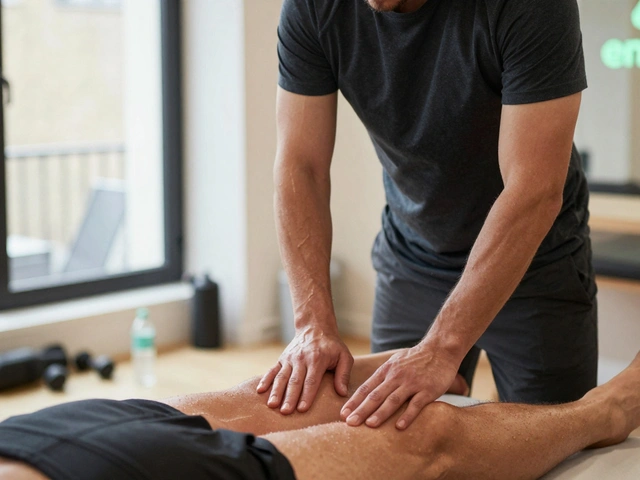
You’ll lie on a mat on the floor. The therapist will begin by gently pressing along your legs, starting at your feet and moving up. They’ll use their thumbs to trace along your calf muscles, then move to your hips. You might be guided into a seated forward fold, or your leg might be lifted slowly into a hamstring stretch. All of it is done with rhythm-slow, steady, and intentional.
At some point, you might find yourself in a position you’ve never been in before. Maybe your knee is gently pressed toward your chest. Maybe your arms are stretched overhead. Don’t panic. Breathe. The therapist isn’t trying to break you. They’re helping your body remember how to move. If something feels sharp or painful, say so. A little discomfort is normal. Real pain isn’t.
At the end, you’ll likely feel a little lightheaded. That’s okay. Drink water. Sit quietly for a few minutes. Many people say they feel like they’ve been reset.
How to Find a Good Thai Massage Studio in the UK
Not all Thai massage is created equal. Some places call themselves "Thai" but just do deep tissue with music. True Thai massage follows traditional techniques passed down through generations in Thailand. Look for therapists who trained in Thailand-especially in Chiang Mai or Bangkok-where the practice originated. Ask if they’ve studied under a lineage of Thai masters. A reputable studio will be proud to tell you.
In Birmingham, places like Lotus Thai Massage and Chiang Mai Bodywork are known for authentic sessions. Check reviews that mention "stretching," "movement," or "no oils." If the description says "relaxing," "aromatherapy," or "hot stones," they’re probably not doing real Thai massage.
Cost and Booking
For a 60-minute session, expect to pay between £45 and £70 in the UK. Higher prices usually mean longer training, more experience, or a spa setting. Lower prices? Be cautious. Thai massage requires skill. A therapist who’s been trained for months in Thailand won’t work for £25 an hour. You’re paying for knowledge, not just time.
Book ahead. Good Thai massage therapists are in demand. Many only take a few clients a day to give each one their full attention. You can usually book online, but don’t be afraid to call. Ask if they’re certified by a Thai institution. If they hesitate, that’s a red flag.
What to Avoid
Don’t go in with high expectations. You won’t leave floating on a cloud like after a spa day. You’ll leave feeling grounded, maybe a little tired, and deeply stretched. That’s the point.
Avoid comparing it to other massages. Thai massage isn’t about relaxation. It’s about restoration. If you’re looking for calm, try Swedish. If you want to unlock stuck movement, Thai is your match.
And don’t try to "do it right." You can’t mess up. There’s no performance here. Just show up, breathe, and let them move you.
Thai Massage vs. Swedish Massage: What’s the Difference?
| Aspect | Thai Massage | Swedish Massage |
|---|---|---|
| Location | Mat on floor | Massage table |
| Clothing | Fully clothed | Nude under towel |
| Technique | Stretching, compression, acupressure | Long strokes, kneading, tapping |
| Oils/Lotions | No | Yes |
| Pressure | Firm, rhythmic | Light to medium |
| Primary Goal | Improve mobility and energy flow | Relax muscles and reduce stress |
| After Effects | Mild soreness, increased flexibility | Deep relaxation, calmness |
Frequently Asked Questions
Is Thai massage painful?
It shouldn’t be. Thai massage uses firm pressure, but it’s not meant to hurt. You might feel a deep stretch that feels intense, but sharp pain means you should speak up. A good therapist will adjust immediately. If they don’t, find someone else.
Do I need to be flexible to try Thai massage?
Not at all. Thai massage is designed for people who aren’t flexible. The therapist works with your current range of motion. Many people leave with more flexibility than when they came in-not because they were forced, but because their body was gently invited to move.
How often should I get Thai massage?
Once a month is great for maintenance. If you sit at a desk, drive long distances, or have chronic stiffness, every two weeks helps. Some people do it weekly for a few weeks to reset their posture, then switch to monthly. Listen to your body.
Can I do Thai massage if I have an injury?
Yes-but tell the therapist first. They’ll avoid the injured area and work around it. Thai massage is often used to help with recovery from back pain, sciatica, and shoulder tightness. But if you’ve had recent surgery, a fracture, or serious joint damage, check with your doctor first.
Will I be touched in private areas?
No. Authentic Thai massage is non-sexual and professional. The therapist works on limbs, back, neck, and shoulders. They never touch the groin, buttocks, or breasts. If anyone does, leave immediately. Reputable studios have clear boundaries and trained staff.
Ready to Try It?
Thai massage isn’t magic. But it is powerful. If you’ve been carrying tension in your hips, shoulders, or lower back, this could be the reset you didn’t know you needed. You don’t have to be fit. You don’t have to be flexible. You just have to show up-and let someone else move you for a change. Book your first session. Your body will thank you.





Kristen Jacobsen
February 13, 2026 AT 23:13Also, wear sweatpants. Not leggings. Trust me.
Geoffrey Leslie
February 14, 2026 AT 20:09Kendra Joiner
February 16, 2026 AT 10:05Tolani M
February 16, 2026 AT 16:39And yes-sweatpants. Always sweatpants.
Michael J Dean
February 17, 2026 AT 03:35Also, they gave me a ginger tea at the end. That was nice.
Lara Álvarez González
February 17, 2026 AT 19:39Jessica Buchanan-Carlin
February 19, 2026 AT 12:54Ankush Jain
February 20, 2026 AT 04:00Cheyenne M
February 22, 2026 AT 03:02Lillie Shelton
February 22, 2026 AT 18:30