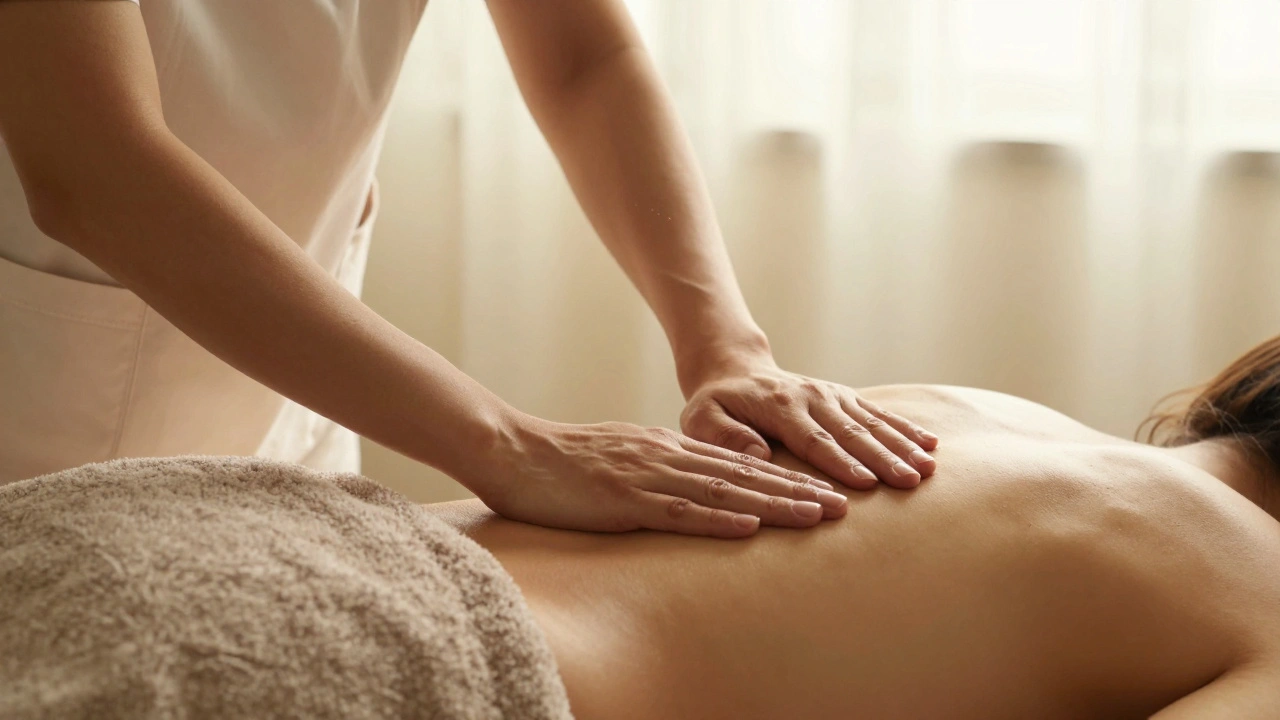
Swedish massage isn’t just about rubbing muscles-it’s a conversation between hands and body. If you’re a professional therapist, mastering its techniques means more than memorizing strokes. It means understanding rhythm, pressure, and intention. This isn’t spa fluff. It’s science-backed, century-old therapy that reduces cortisol, improves circulation, and helps people breathe again after years of stress.
What Makes Swedish Massage Different?
Swedish massage is the foundation of Western massage therapy. Developed in the 1800s by Per Henrik Ling, it combines five core strokes: effleurage, petrissage, friction, tapotement, and vibration. Unlike deep tissue or sports massage, it doesn’t aim to break down knots. Instead, it gently encourages the body to relax itself. Think of it like a tide pulling away tension-not by force, but by rhythm.
That’s why it’s the most requested massage in clinics, wellness centers, and private practices. A 2023 study in the Journal of Bodywork and Movement Therapies found that clients who received regular Swedish massage reported a 41% drop in perceived stress levels after just four sessions. That’s not placebo. That’s physiology.
The Five Core Techniques (and How to Do Them Right)
Every Swedish massage is built on these five strokes. But doing them well? That’s where professionals separate themselves from amateurs.
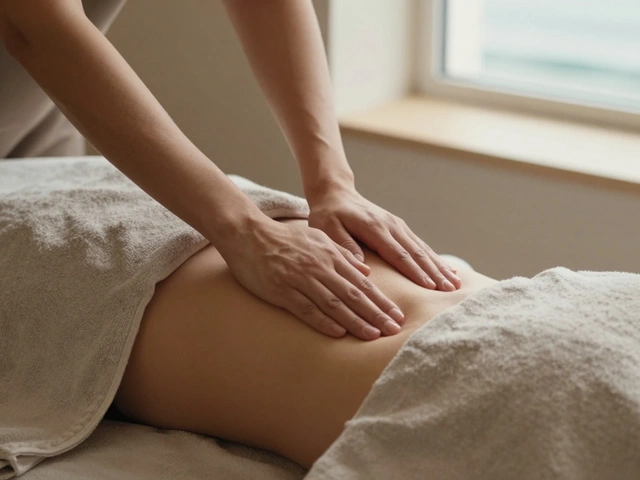
- Effleurage-long, gliding strokes. Use the palm of your hand, not your fingers. Apply light pressure at first, then gradually increase. This isn’t just warming up the skin-it’s calming the nervous system. Do it in the direction of the heart to support venous return.
- Petrissage-kneading, lifting, and rolling the tissue. Think of it like kneading dough. Use your thumbs, fingers, or palms. Focus on areas like the trapezius, glutes, and calves. Don’t squeeze too hard. You’re not trying to bruise-you’re trying to release.
- Friction-deep, circular pressure with the pads of your fingers or thumbs. Use this on stubborn spots like the shoulder blades or IT band. Keep the skin moving under your hand. If the skin sticks, you’re doing it wrong.
- Tapotement-light, rhythmic tapping or cupping. Use your fingertips or the sides of your hands. It’s energizing, not aggressive. Perfect for the back or thighs after deeper work. Avoid it on bony areas or if the client has sensitive skin.
- Vibration-rapid, trembling movements. Rest your hands lightly on the muscle and shake them. It’s subtle, but it signals the nervous system to let go. Use it sparingly, especially on clients with anxiety or nerve sensitivity.
Order matters. Start with effleurage to establish trust and warmth. End with it to gently bring the client back. The middle is where you deepen with petrissage and friction. Tapotement and vibration are punctuation-not the main sentence.
Why Professionals Choose Swedish Massage
Swedish massage isn’t just popular-it’s practical. It’s the go-to for clients who want relief without pain. It’s ideal for:
- Office workers with tight shoulders from hunching over keyboards
- Parents juggling kids and sleepless nights
- Athletes recovering between training sessions
- Seniors managing arthritis without drugs
- People recovering from anxiety or burnout
It’s also the most repeatable service you can offer. Clients don’t come once and disappear. They come monthly. Why? Because they feel it. Their sleep improves. Their headaches fade. Their jaw stops clenching. That’s the ripple effect.
What to Expect During a Session
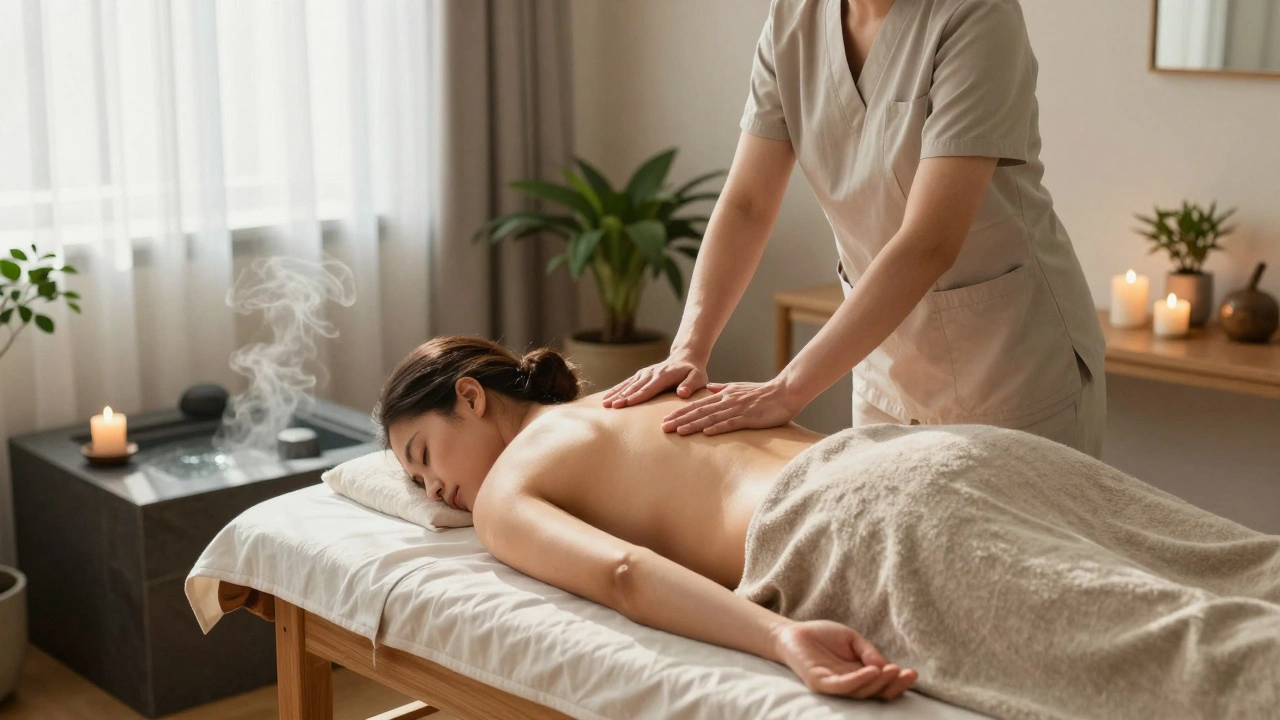
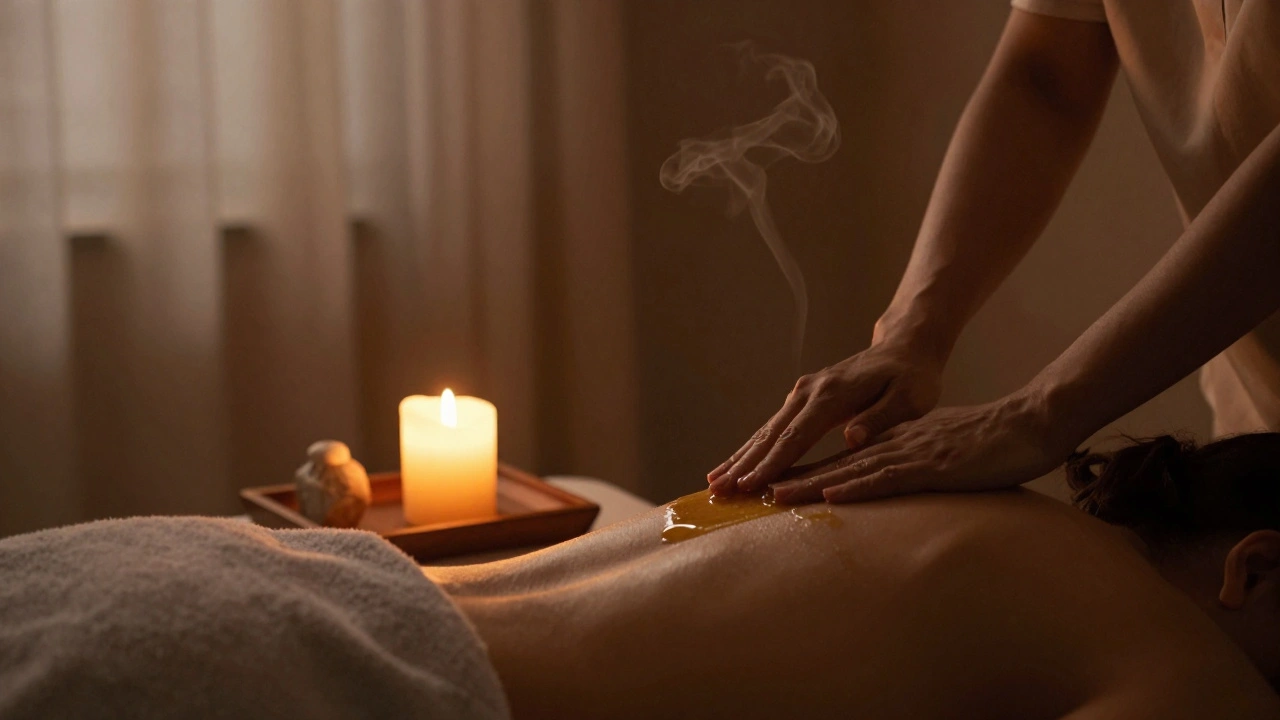
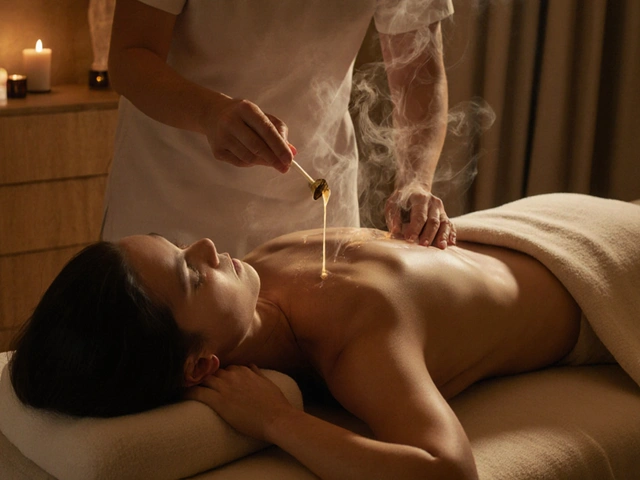
Picture this: soft lighting. A warm towel. The scent of lavender oil, not overpowering, just there. The client lies face down, breathing slowly. You begin with effleurage on the back-long strokes from neck to glutes, then down the legs. No music. Just the sound of breath and your hands moving.
After five minutes, you shift to petrissage on the upper back. Your thumbs work the space between the shoulder blades. The client sighs. That’s your signal. You don’t rush. You follow their breath.
Halfway through, you turn them. You use friction on the calves, then tapotement on the thighs-light, like rain. Vibration on the lower back for ten seconds. Then, back to effleurage. Slow. Calm. Complete.
At the end, you leave the room quietly. No chatter. No upsell. Just silence. That’s when the real healing starts.

Common Mistakes Even Experienced Therapists Make
Swedish massage seems simple. That’s why it’s easy to mess up.
- Using too much pressure-Swedish isn’t deep tissue. If you’re leaving fingerprints, you’re overdoing it.
- Skipping effleurage-Don’t jump straight into kneading. The body needs to warm up, emotionally and physically.
- Ignoring the feet-The soles are packed with nerve endings. A few minutes of gentle effleurage there can reset the whole nervous system.
- Not adjusting for the client-Some people need lighter touch. Others want more rhythm. Ask. Listen. Adapt.
- Using the same routine every time-No two bodies are the same. A 65-year-old with hip arthritis needs a different flow than a 30-year-old runner.
Swedish Massage vs. Deep Tissue Massage
| Feature | Swedish Massage | Deep Tissue Massage |
|---|---|---|
| Primary Goal | Relaxation, circulation, stress reduction | Break down chronic muscle tension |
| Pressure Level | Light to moderate | Heavy, focused |
| Strokes Used | Effleurage, petrissage, friction, tapotement, vibration | Deep cross-fiber friction, slow sustained pressure |
| Best For | Stress relief, beginners, maintenance | Chronic pain, athletes, injury recovery |
| After Effects | Calmer, sleepier, more energized | Sore for 24-48 hours, then looser |
| Session Length | 60-90 minutes | 60-75 minutes (shorter due to intensity) |
Swedish is the gateway. Deep tissue is the repair shop. Most clients need both-but not on the same day. Use Swedish to prepare the body. Use deep tissue when the body is ready to release.
How to Build a Swedish Massage Practice
If you’re a therapist looking to grow, Swedish massage is your most reliable service. Here’s how to make it your signature:
- Specialize in it-Don’t just offer it. Make it your brand. Say: "I specialize in Swedish massage designed to reset your nervous system."
- Offer packages-10 sessions for the price of 8. People commit when they see value.
- Train your team-If you have assistants, teach them the rhythm. Consistency builds trust.
- Use testimonials-"I haven’t slept this well in years." That’s gold.
- Keep it simple-No gimmicks. No essential oil upsells. Just skilled hands and quiet space.
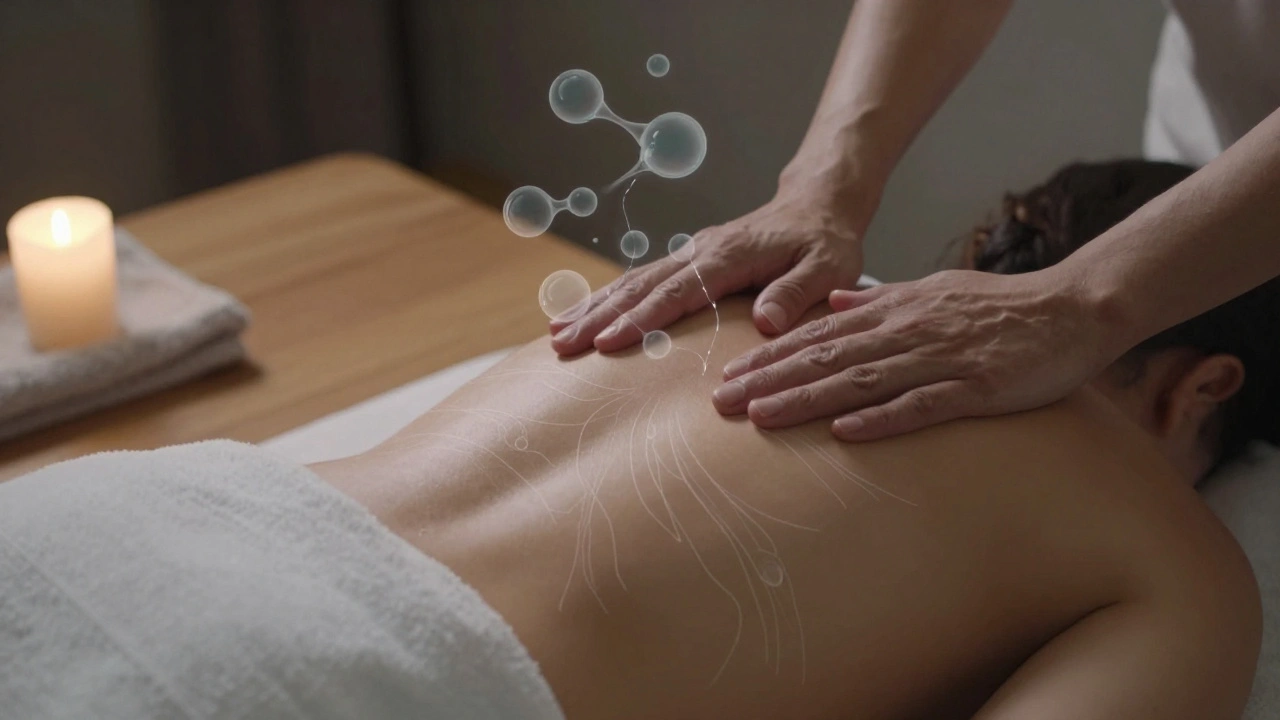
Safety and Contraindications
Swedish massage is safe for most people. But not all.
- Avoid it if the client has an active blood clot, fever, or open wounds.
- Use caution with clients on blood thinners-reduce friction and deep pressure.
- Don’t massage over recent fractures or severe osteoporosis.
- Ask about recent surgery. Even healed scars can be sensitive.
- Always get a health history. A simple form with checkboxes saves you later.
And never assume. A client might say, "I’m fine," but if they’re trembling, pale, or avoid eye contact, pause. Check in. Your job isn’t just to relax them-it’s to protect them.
FAQ: Your Questions About Swedish Massage Answered
Is Swedish massage good for anxiety?
Yes. Swedish massage lowers cortisol, the stress hormone, and increases serotonin and dopamine. A 2022 study in the International Journal of Neuroscience showed that 45 minutes of Swedish massage reduced anxiety scores by 47% in participants with generalized anxiety disorder. It’s not a replacement for therapy, but it’s a powerful support tool.
How often should someone get a Swedish massage?
For stress relief, once a month is a good baseline. For chronic tension or high-stress jobs, every two weeks works better. Athletes often do it weekly during training. The key is consistency-not intensity. Regular sessions train the body to stay relaxed.
Do I need special training for Swedish massage?
Yes. While it looks simple, proper technique requires training. Most certification programs require 500+ hours of hands-on practice. Look for schools accredited by the Commission on Massage Therapy Accreditation (COMTA) or similar bodies. Don’t rely on YouTube tutorials. Your hands are your tools-treat them like professionals.
Can I do Swedish massage on myself?
You can mimic some parts-like effleurage on your arms or legs-but you can’t replicate the full experience. Your brain stays alert when you’re massaging yourself. The magic of Swedish massage is surrender. You need someone else to hold the space so your nervous system can truly let go.
Why is Swedish massage more expensive than other types?
It’s not always more expensive-but skilled practitioners charge more because it demands precision. A rushed Swedish massage is worse than no massage. The best therapists spend years perfecting rhythm, pressure, and flow. You’re paying for expertise, not just time.
Final Thought: It’s Not Just a Massage-It’s a Reset
Swedish massage isn’t about fixing broken bodies. It’s about helping whole bodies remember how to rest. As a professional, your hands aren’t just tools. They’re conduits. You’re not massaging muscles-you’re calming minds. That’s why, after 150 years, it’s still the gold standard. Master it. Refine it. Honor it. And let your clients feel the difference-not just in their shoulders, but in their lives.





Lydia Huang
January 22, 2026 AT 17:48OMG YES THIS!!! 🙌 I just got my first Swedish massage last week and I cried in the middle of it-not from pain, from relief. My shoulders have been holding my stress since 2020 and finally… someone touched me like I mattered. Effleurage on my calves? I swear I felt my nervous system exhale. Thank you for writing this like a love letter to therapists.
Cindy Pino
January 23, 2026 AT 08:37Let me guess-this was written by someone who went to a $12,000 massage school and now thinks they’re a spiritual guide. The ‘conversation between hands and body’? Please. It’s just manipulation of soft tissue. And don’t get me started on the lavender oil cult. The real science? Cortisol drops because you’re lying still for an hour-not because some ‘conduit’ waved their hands. This is wellness theater wrapped in pseudoscientific fluff. I’ve had more therapeutic relief from a foam roller and a cold shower.
Nicholas Simbartl
January 24, 2026 AT 04:18You know what’s funny? I used to be one of those people who thought massage was just for rich ladies getting pampered. Then my dad had a stroke. He couldn’t move his right side. We hired this quiet therapist-no music, no scents, just her hands. She did Swedish massage three times a week for six months. I watched his jaw unclench for the first time in two years. He started humming again. Not because of ‘rhythm’ or ‘intention’-but because someone touched him like he was still human. That’s what this article gets. Not the jargon. The quiet. The waiting. The not rushing. That’s the magic. And I’ll never forget it.
nested bean
January 24, 2026 AT 15:35Love this breakdown! I’m a physical therapy student and we barely covered Swedish massage in depth-always jumped straight to deep tissue. But after reading this, I’m going back to relearn the five strokes with intention. The part about effleurage calming the nervous system? That’s the key. I’ve seen clients tense up the second you touch them-like they’re bracing for pain. Starting slow with gliding strokes? That’s the trust-builder. Also, the feet tip? I’m stealing that. Never thought about how much the soles connect to the whole system. Thanks for the clarity!
David Perz
January 24, 2026 AT 20:37As someone who’s done Swedish massage in Sweden for five years-this is spot on. But I’ll add one thing: the silence. In Sweden, we don’t talk during sessions. Not even to ask ‘pressure okay?’ We watch the breath. If it slows, you’re good. If it sharpens, you ease off. No questions. No ‘how was that?’ The client doesn’t have to perform relaxation. They just have to be. That’s why it works. Also, the oil? Just grapeseed. No lavender. No rose. Just warm oil and quiet hands. Less is more.
Nicholas F
January 25, 2026 AT 01:58Autumn Grace
January 25, 2026 AT 17:03So… I work at a corporate wellness center. We offer Swedish massage. Half the clients come in with their laptops open. They’re answering emails during the session. I’m like… you literally paid $90 to have someone touch you while you reply to your boss’s ‘URGENT’ Slack. I’m not mad. I’m just… impressed by the dedication to burnout. Also, the ‘no chatter’ rule? We had to ban it. One lady cried because I didn’t ask if she wanted more pressure. So now I say ‘you good?’ every 90 seconds. It’s therapy. For the client. And the therapist.
Laura Szabó
January 26, 2026 AT 04:37My mom’s 72, has arthritis, and refuses to take pain meds. She gets Swedish massage every two weeks. Last month she said, ‘I didn’t realize I’d been holding my breath for 40 years.’ That’s all I needed to hear. Thank you for writing this. Not because it’s perfect-but because it’s true.