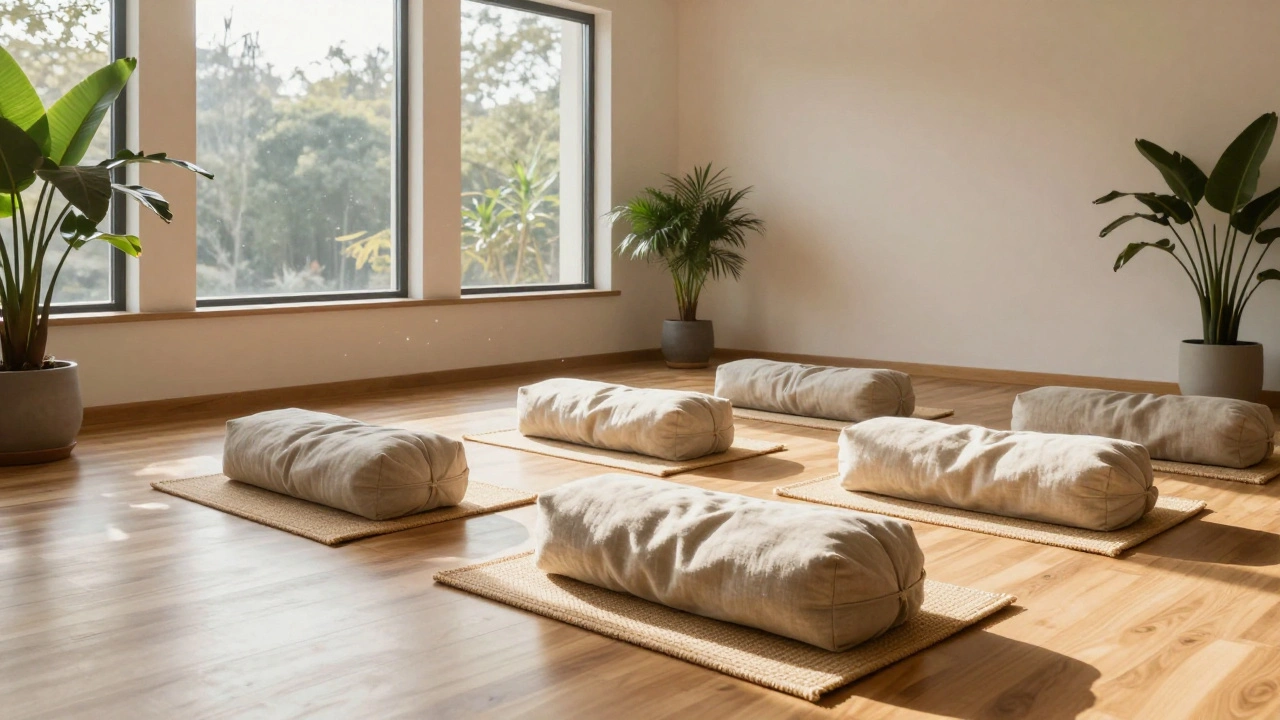
Can You Get Thai Massage After Surgery?
The short answer is yes, but only with your doctor's clearance. Thai massage can significantly aid post-surgery recovery by improving circulation, reducing scar tissue, and restoring mobility through gentle passive stretching. However, you must avoid pressure directly over incision sites and wait until the internal healing phase is complete.
Key Takeaways at a Glance
- Timing Matters: Wait at least 4-6 weeks after minor surgery; consult a surgeon for major procedures.
- Scar Care: Specialized techniques can soften surgical scars once they are fully healed.
- Lymphatic Flow: The rhythmic movements help drain fluid buildup common after operations.
- Mobility Returns Faster: Gentle Yoga-based stretches combat stiffness from bed rest.
- Safety First: Never press on open wounds or fresh sutures.
Understanding the Connection Between Thai Massage and Healing
You might be wondering why Thai Massage would fit into a medical recovery plan. Unlike the deep kneading you get in a standard bodywork session, Thai therapy is often called "lazy man's yoga." It involves a practitioner guiding your limbs into stretches while applying acupressure along energy lines. When you are recovering from surgery, your body isn't just healing cuts; it is dealing with systemic shock. Bed rest leads to tight muscles and sluggish blood flow. That combination slows down healing.
This type of touch works differently than Swedish Massage. While Swedish focuses on relaxation through gliding strokes, Thai massage focuses on structural alignment. For someone who has been pinned down on an operating table for hours, getting their range of motion back is a priority. The stretching aspect helps untangle tissues that have shortened due to immobility.
We know that pain medication often keeps people still when movement is what they actually need. A skilled therapist understands how to move your joints within a safe range that encourages synovial fluid production without overstressing the area. Think of it as helping your body remember how to move before you have to do the work yourself.
Core Benefits for Recovery
So, what exactly does this treatment do for your system? Here are the specific mechanisms that help you bounce back faster.
Improving Circulation Without Risk
Circulation is life. After surgery, blood clots are a real fear. Stagnant blood in the legs or abdomen increases the risk of complications like DVT. Thai massage techniques include rhythmic compression that pushes venous blood back toward the heart. This is similar to manual lymphatic drainage but more vigorous. By moving blood efficiently, you deliver oxygen and nutrients to the cells that are busy rebuilding tissue around your wound.
Managing Scar Tissue
Absorbed adhesions or thickened skin around a scar can pull on surrounding muscles. Many surgeons now recommend scar mobilization. Once a wound is closed, massaging the area gently prevents the scar from tethering into deeper layers. In the context of Traditional Thai Medicine, we view these restrictions as blockages in energy flow. Clearing these pathways helps prevent chronic pain later on.
Restoring Range of Motion
If you had abdominal surgery, you naturally tighten your core muscles to protect the cut. Over time, this becomes a habit rather than a protection mechanism, leading to poor posture and back pain. Passive stretching in a Thai session allows a therapist to slowly lengthen these guard muscles. It's like unlocking a rusted hinge. You cannot push it open, but you can oil and wiggle it until it moves freely again.

Types of Sessions Available in Brighton
If you are looking for care in our city, you'll find different approaches to therapeutic touch. Not every spa is equipped to handle post-op needs. You want a therapist trained in remedial techniques.
The Classical Thai Style
This is the traditional floor-based approach. You lie on a mat, fully clothed. The practitioner uses their hands, elbows, knees, and feet to stretch you. For surgery patients, this is ideal because friction over sensitive skin is minimized.
Medical Thai Massage
Some clinics in Brighton combine Western anatomy knowledge with traditional techniques. These therapists understand contraindications better. They know which meridian lines connect to vital organs and how to adjust pressure near recent surgical sites. Always ask if they have experience with Post-Operative Clients.
Hospital-Based Mobile Services
In rare cases, hospitals partner with wellness providers for palliative or rehabilitation care. If you are homebound, ask your physiotherapist if they know of mobile therapists who can come to your residence in South Downs or Hove areas.
Locating Safe Practitioners Locally
Finding the right person is half the battle. You cannot just book any weekend special. You need professional competence. Start by checking reviews specifically mentioning recovery or injuries. Look for keywords like "gentle," "medical," or "rehab" rather than just "relaxing."
In Brighton and surrounding Sussex towns, check directories for licensed professionals. Look for associations like the British Association of Traditional Thai Massage (BATM) or the CNHC register. Verified credentials mean they adhere to hygiene standards and safety protocols. Call ahead. Tell them straight up: "I am four months out of hip surgery, and I want scar work." If they hesitate or sound unsure, walk away. Trust your gut.
What Happens During Your First Visit
When you arrive, expect a longer consultation than usual. A good therapist will ask for your surgeon's name, the date of operation, and specifically where stitches were removed. They might check your pulse or observe how you walk.
The session typically lasts 60 to 90 minutes. Because you are working on recovery, the intensity starts low. The first 15 minutes focus on breathing and relaxing the nervous system. Stress hormones inhibit healing. Calming the mind prepares the body for physical work. Then, they move into gentle stretching. You should never feel sharp pain. Discomfort is okay; agony is not. Communicate constantly.
Throughout the process, the room temperature stays warm so you don't shiver. Shivering tenses muscles. Towels provide warmth and coverage, exposing only the area being worked on. This respects your privacy and maintains modesty, which is vital when you feel vulnerable.

Cost and Insurance Considerations
Pricing in the UK varies based on experience and location. In Brighton, rates for a 90-minute therapeutic session typically range from £60 to £90. Medical-grade sessions may cost slightly more due to the higher skill set involved.
Some private health insurance plans cover massage therapy if prescribed by a doctor. Bring your prescription letter. Even if insurance doesn't pay the full amount, having a referral adds weight to your claim. Payment is usually expected upfront via card or cash, so confirm payment methods during booking.
Safety Rules and Precautions
Safety is non-negotiable. Before you step on the mat, you need the green light from your GP or surgeon. Some conditions require waiting much longer than others.
Do not proceed if you have signs of infection like redness or heat radiating from the wound. Do not massage deep vein thrombosis risk zones without ultrasound clearance. Avoid heavy pressure on the abdomen if you had laparoscopic surgery less than 8 weeks ago. Also, stay hydrated afterwards. Detox processes release metabolic waste into the bloodstream, and water helps flush this out quickly.
| Feature | Thai Massage | Swedish Massage | Lymphatic Drainage |
|---|---|---|---|
| Primary Focus | Stretching & Acupressure | Circulation & Relaxation | Fluid Movement |
| Pressure Level | Medium to Firm | Light to Medium | Very Light |
| Suitability for Scar Work | High (Gentle friction) | Moderate | Low (Focuses on nodes) |
| Best For | Stiff Joints & Mobility | General Tension | Post-Surgical Swelling |
Your Questions Answered
How soon after surgery can I get a Thai massage?
For minor procedures like liposuction or cataract surgery, 2 weeks might be enough. For major surgeries like joint replacement or abdominal procedures, wait at least 6-8 weeks. Always ask your doctor first.
Will Thai massage hurt my stitches?
No, if done correctly. A professional will avoid the incision line entirely until the wound is completely healed and scabbed over. Once healed, they may apply very light friction to encourage softening.
Can Thai massage reduce swelling after surgery?
Yes. Techniques involving rhythmic tapping and milking motions stimulate the lymphatic system, helping the body remove excess fluid accumulated from inflammation.
Is it covered by NHS or private insurance?
NHS rarely covers this. Private providers sometimes reimburse it if deemed medically necessary. Check your policy documents regarding 'Alternative Therapy' or 'Physiotherapy Support'.
Should I wear clothes during the massage?
Yes. Thai massage is traditionally done fully clothed. Wear loose, comfortable clothing like sweatpants and a t-shirt to allow free movement during stretches.