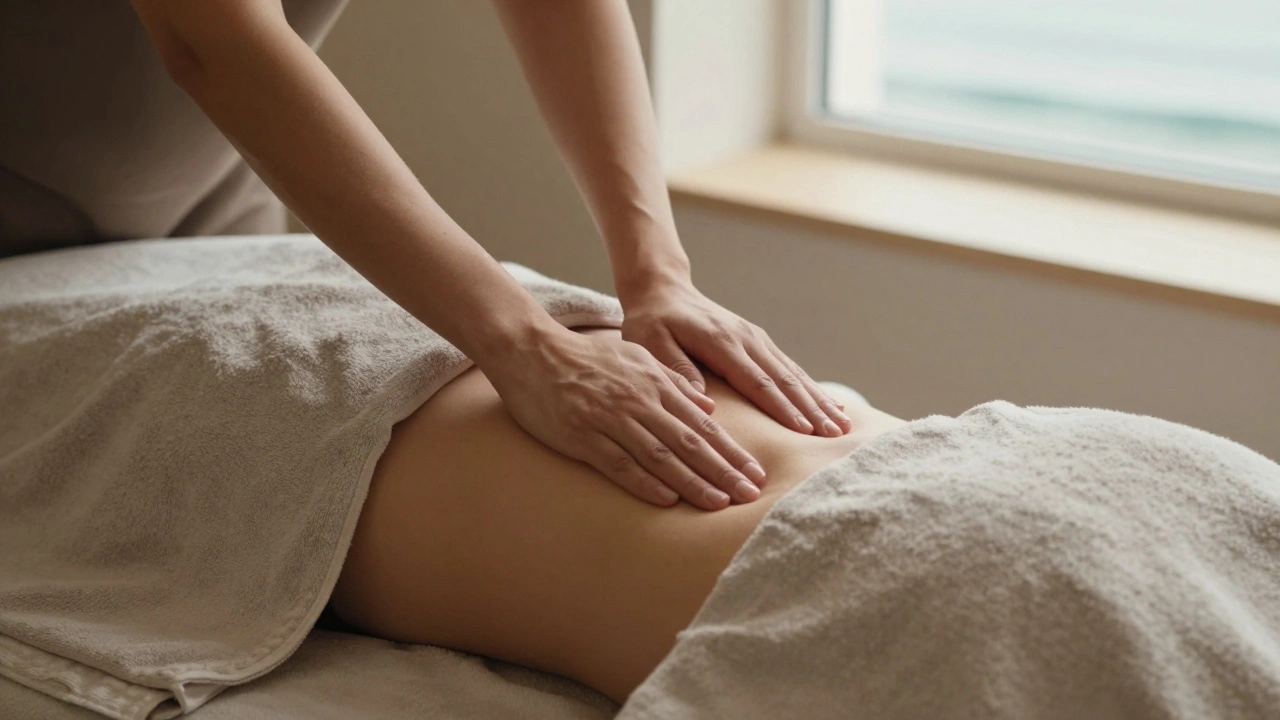
You’ve probably felt it-those heavy legs after a long day, the puffiness under your eyes in the morning, or that stubborn bloating that won’t go away no matter how much water you drink. What if the answer isn’t more caffeine or another diet tweak, but something quieter, deeper, and built into your own body? Meet lymphatic drainage massage: a gentle, science-backed technique that helps your body flush out toxins, reduce swelling, and feel lighter than it has in years.
What Exactly Is Lymphatic Drainage Massage?
Your lymphatic system is like your body’s secret plumbing. It’s a network of vessels and nodes that move fluid, waste, and immune cells around-except it doesn’t have a pump like your heart. Instead, it relies on movement, breathing, and pressure to keep things flowing. When you’re stressed, sedentary, or recovering from surgery, that system slows down. Fluid builds up. Swelling happens. You feel sluggish.
Lymphatic drainage massage is a light, rhythmic technique that mimics the natural motion of lymph flow. Therapists use fingertips to apply barely-there pressure-think the weight of a butter knife-along specific pathways toward your lymph nodes. It’s not deep tissue. It’s not kneading. It’s more like tracing rivers with your hands, encouraging stagnant water to move.
It’s not new. Developed in the 1930s by Danish therapists Emil and Estrid Vodder, it was originally used to treat chronic sinus infections. Today, it’s used in hospitals for post-surgical swelling, in spas for glowing skin, and by athletes for faster recovery.
Why Your Body Needs This
Let’s cut through the wellness buzzwords. Here’s what actually happens when you get regular lymphatic drainage:
- Reduces swelling-especially after surgery, injury, or even just a long flight. Studies show it can cut post-op edema by up to 40% within days.
- Boosts immunity-by moving immune cells where they’re needed. People who get weekly sessions report fewer colds and faster healing from minor infections.
- Improves skin tone-flushing out toxins reduces puffiness and gives you that "I slept eight hours" glow-even if you didn’t.
- Helps with chronic fatigue-many with fibromyalgia or long-haul COVID find relief from brain fog and exhaustion after consistent sessions.
- Supports detox-your liver and kidneys handle most toxins, but lymph handles the rest. When it’s sluggish, you feel it.
One client in Brighton, a nurse who worked 12-hour shifts, told me she used to wake up with swollen ankles and a foggy head. After six weekly sessions, her morning puffiness vanished. "It’s like my body finally remembered how to breathe," she said.
Types of Lymphatic Drainage Massage Available in Brighton
Not all lymphatic massage is the same. Here’s what you’ll find locally:
- Manual Lymphatic Drainage (MLD)-the gold standard. Performed by certified therapists trained in the Vodder or Foldi method. Uses precise hand movements along lymph pathways. Best for medical needs like lymphedema or post-surgery recovery.
- Device-Assisted Lymphatic Therapy-some clinics use pneumatic compression boots or handheld devices that mimic pressure waves. Good for home use or maintenance, but less precise than hands-on work.
- Hybrid Sessions-combines MLD with gentle stretching, breathwork, or aromatherapy. Popular in wellness spas for stress relief and glow.
- Self-Massage Techniques-learned from therapists, these are simple routines you can do at home. Great for daily maintenance, especially if you’re on your feet all day.
In Brighton, most clinics offer MLD as their core service. If you’re recovering from breast surgery, liposuction, or a knee replacement, go for certified MLD. If you just want to de-puff and unwind, a hybrid session works well.
How to Find Lymphatic Drainage Massage Services in Brighton
You don’t need to search far. Brighton has a strong network of trained therapists, especially around the North Laine and Kemptown areas. Here’s how to find the right one:
- Look for therapists with MLD certification from the Lymphoedema Support Network or the Vodder School. Ask for their credentials-this isn’t something you wing.
- Check reviews on Google or Trustpilot. Look for mentions of "swelling reduction," "gentle," or "felt lighter afterward." Avoid places that promise "detox miracles" or use buzzwords like "energy cleansing."
- Ask your GP or physiotherapist for referrals. Many hospitals in Sussex partner with private MLD therapists for post-op care.
- Try a clinic that specializes in post-surgical recovery or chronic pain. They’re more likely to have the right training.
Some reputable spots in Brighton include The Lymphatic Studio in Kemptown and Wellness Pathways near the seafront. Both have therapists certified in the Vodder method and work closely with local surgeons.
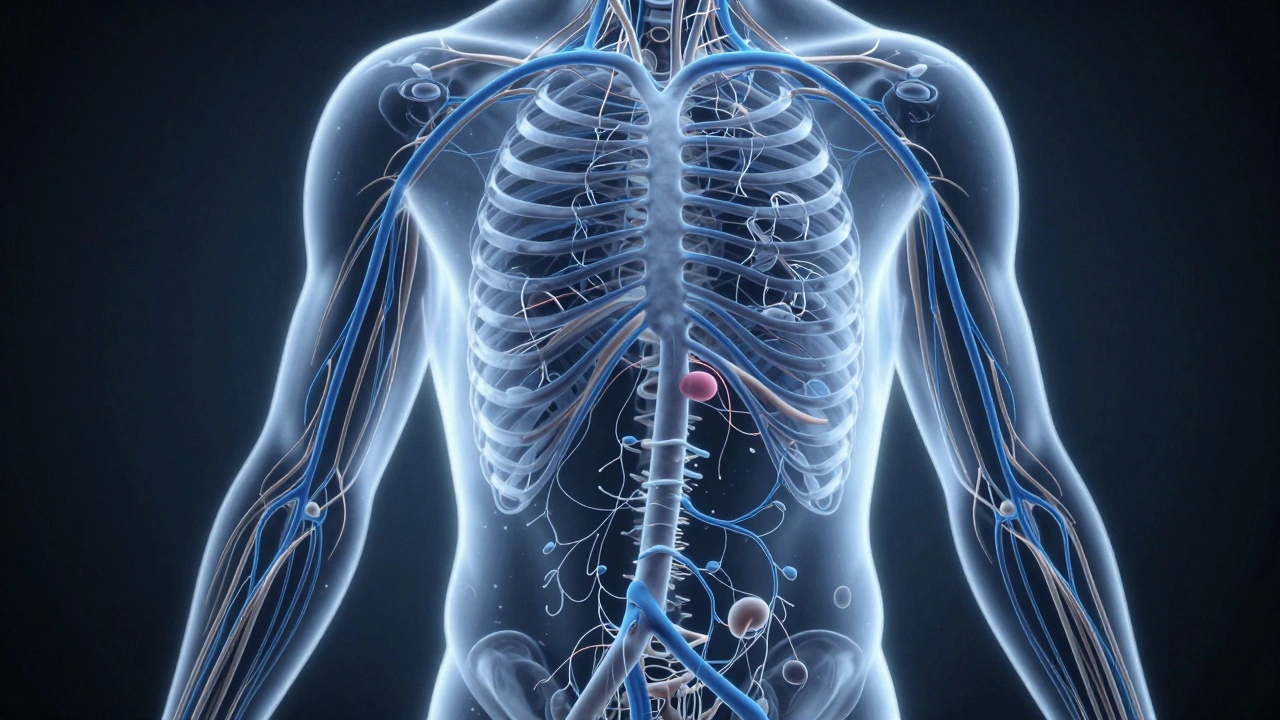
What to Expect During a Session
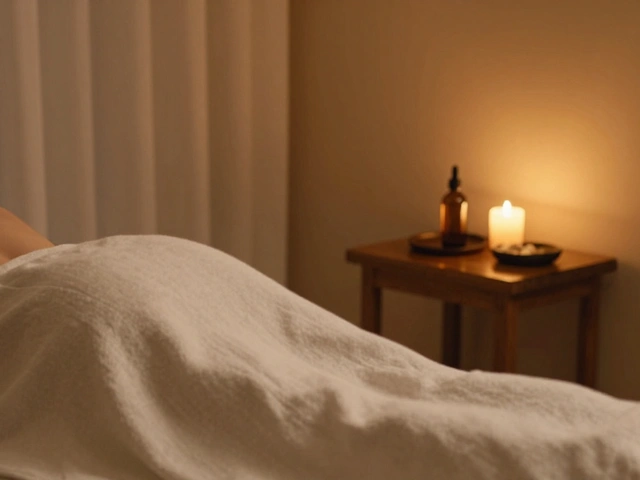
Picture this: You’re lying on a warm table, wrapped in soft towels. The room is quiet, maybe with soft music or the sound of waves from an open window. The therapist’s hands are cool and light. They start at your collarbone, then move down your arms, across your torso, and toward your legs-never pressing hard, never making you uncomfortable.
A session lasts 45 to 75 minutes. You won’t sweat. You won’t ache. Many people fall asleep. You might feel a slight tingling or warmth as fluid starts moving. Afterward, you’ll feel calm, light, and oddly refreshed-like you’ve just taken a long, deep breath.
Hydration is key. Drink a full glass of water right after. Your body is flushing out waste, and it needs help.
Pricing and Booking
Here’s what you’ll pay in Brighton:
- First session: £65-£85 (includes consultation)
- Standard session (60 mins): £55-£75
- Package of 5 sessions: £250-£320 (often includes a self-massage guide)
- Home visits: £80-£100 (if you’re recovering from surgery or have mobility issues)
Most places require booking in advance. Weekday mornings are quieter and often cheaper. If you’re post-surgery, some clinics offer discounted rates with a referral letter from your doctor.
Safety Tips
It’s gentle-but not for everyone. Avoid lymphatic massage if you have:
- Active infections or fever
- Heart failure or severe circulatory problems
- Untreated cancer (especially if it’s spread to lymph nodes)
- Deep vein thrombosis (DVT)
If you’re pregnant, it’s safe after the first trimester-but always check with your midwife. And if you’ve had lymph nodes removed (like after breast cancer surgery), make sure your therapist knows. They’ll adjust the technique to avoid pressure on affected areas.

Comparison Table: Lymphatic Drainage Massage vs. Swedish Massage in Brighton
| Feature | Lymphatic Drainage Massage | Swedish Massage |
|---|---|---|
| Pressure | Extremely light (1-2 mm depth) | Medium to firm |
| Goal | Reduce swelling, improve fluid flow, support immunity | Relax muscles, relieve tension, improve circulation |
| Best For | Post-surgery, chronic swelling, bloating, fatigue | Stress relief, muscle soreness, general relaxation |
| Duration | 45-75 minutes | 60-90 minutes |
| After Effects | Lightness, reduced puffiness, calm mind | Relaxed muscles, slight soreness, warmth |
| Certification Required | Yes (MLD-specific) | No (general massage certification) |
If you’re dealing with fluid retention or recovery, lymphatic drainage is the clear winner. If you just want to melt away stress after a tough week, Swedish works better. Some people do both-lymphatic once a week, Swedish every other week.
Frequently Asked Questions
Can lymphatic drainage massage help with cellulite?
It can temporarily reduce the appearance of cellulite by flushing out trapped fluid and improving skin texture. But it won’t eliminate fat or permanently change your shape. Think of it as a glow-up, not a transformation.
How often should I get lymphatic drainage massage?
For general wellness: once a month. For swelling or recovery: 2-3 times a week for the first 2-4 weeks, then taper off. Athletes often do it after intense training. Listen to your body-if you feel lighter and more energized, you’re on the right track.
Can I do lymphatic drainage at home?
Yes, but only after learning the correct technique from a certified therapist. Simple routines like gently stroking from your collarbone toward your armpits, or from your ankles toward your knees, can help daily. Don’t guess-wrong pressure can do more harm than good.
Is lymphatic drainage massage painful?
No. It should feel soothing, not painful. If it hurts, the therapist is pressing too hard. Real lymphatic drainage is so light you might wonder if they’re even touching you.
Will I need to undress?
You’ll be covered with towels, and only the area being worked on is exposed. Most people keep their underwear on. Comfort is the priority.
How long do the effects last?
After one session, you’ll feel lighter for 24-48 hours. With regular sessions, your body learns to drain more efficiently. Over time, swelling becomes less frequent and less severe.
Ready to Feel Lighter?
Your body was built to move, to flow, to heal. But modern life-sitting, stress, lack of movement-slows it down. Lymphatic drainage massage isn’t magic. It’s mechanics. It’s your body’s own system, gently reminded how to work again.
If you’ve been feeling heavy, puffy, or just stuck, give it a try. One session won’t change your life. But five might. Start with a local therapist who knows what they’re doing. Drink your water. Breathe. And let your body do what it was made to do-flow.





satish gottikere shivaraju
December 4, 2025 AT 02:47This is literally life-changing 😍 I did 5 sessions after my knee surgery and the swelling? Gone. I felt like a new person. Also, drinking water after = magic. Try it, you won’t regret it! 🙌
Abraham Pisico
December 4, 2025 AT 05:04Oh wow, so now we’re attributing human dignity to our lymphatic system? Next they’ll name the nodes and give them therapy sessions. But honestly? I get it. After my last trip to Bali, I looked like a pufferfish. One session and I could actually see my ankles again. The body’s a silent superhero-we just forget to give it a pep talk. 🙏
Tarapada Jana
December 5, 2025 AT 02:28It’s amusing how wellness culture has turned a physiological process into a boutique service. The lymphatic system has existed for millennia without certified therapists charging £75/hour. One wonders if this is merely a monetization of natural bodily functions under the guise of ‘science-backed.’ The real issue? Sedentary lifestyles. Move more. Drink water. Stop paying strangers to tap you gently.
Lippard Babette
December 6, 2025 AT 13:23I tried this after my C-section and honestly? I cried during the session-not from pain, but relief. I hadn’t realized how heavy I’d felt for months. My therapist was so gentle, I fell asleep. And yes, I drank the water. Twice. Thank you for writing this so clearly ❤️
Srimon Meka
December 7, 2025 AT 09:25If you’re still sitting at a desk all day and thinking a £75 massage is the solution, you’re missing the point. This isn’t a spa gimmick-it’s a wake-up call. Your body is screaming for movement. If you can’t afford a therapist, learn the technique. Do it at 6 a.m. before coffee. No excuses. Your lymph nodes don’t care how busy you are.
Cheryl Ying
December 8, 2025 AT 17:22Another ‘detox’ scam wrapped in medical jargon. If your body can’t handle toxins without a £80 massage, maybe you should stop eating processed food and start walking. Also, ‘glow’? Please. Skin doesn’t glow from pressure waves-it glows from sleep, hydration, and not being a soda addict.
William Driscoll
December 9, 2025 AT 17:41Correction: The Vodder method was developed in the 1930s by Emil Vodder and his wife, Estrid. The term ‘Foldi method’ is inaccurate-it’s the ‘Foldi-Michelson’ method, and it’s distinct from Vodder. Also, ‘pneumatic compression boots’ are not ‘device-assisted lymphatic therapy’-they’re mechanical edema management tools, which operate on different principles. Precision matters. Also, ‘drainage’ is a misnomer-it’s propulsion, not drainage. Fix your terminology before you fix your clients.
matthew mcclane
December 10, 2025 AT 11:57I’m from Nigeria and we’ve had similar techniques for generations-light stroking along limbs after childbirth, after illness. It’s not new. Just rediscovered by Western wellness. Respect the roots. And yes, it works. Simple. Quiet. Powerful.
Emmanuel Jolly
December 11, 2025 AT 23:23They say the body is a temple. But who built the temple? The gods? Or the sweat of the forgotten laborers who moved, bled, and healed without a certificate? You pay for a massage to feel worthy of your own biology. That’s the tragedy. Not the technique. The meaning we’ve lost. And now, we charge £75 to remember what our ancestors did for free.
Krishna Prasad Regmi
December 12, 2025 AT 08:16Just did my first session yesterday. Felt like my body finally exhaled. I’m not saying it’s magic-but if you’ve ever felt like you’re dragging wet blankets around, this is your sign. Start small. One session. Drink water. Let your body thank you. You’ve got this.