You’ve probably heard of massage for sore muscles or stress relief, but what about a massage that works deep inside your body-not just on your skin, but on your entire system? That’s lymphatic drainage massage. It’s not about deep pressure or popping joints. It’s slow, gentle, and surprisingly powerful. If you’ve ever felt swollen, sluggish, or just stuck after a long week, this might be the quiet hero your body’s been asking for.
Key Takeaways
- Lymphatic drainage massage uses light, rhythmic strokes to move fluid through your body’s natural waste system.
- It reduces puffiness, boosts immunity, and helps you recover faster from injury or surgery.
- Unlike deep tissue massage, it’s barely noticeable-think feather-light touches, not kneading.
- Best results come from regular sessions, not one-off treatments.
- You can do it yourself at home with the right technique, or find a trained therapist in Birmingham.
What Is Lymphatic Drainage Massage?
Your body has a hidden plumbing system called the lymphatic system. It’s made up of tubes (lymph vessels), nodes (tiny filters), and fluid (lymph). This system collects waste, toxins, excess fluid, and even dead cells from your tissues. Unlike your blood, which gets pumped by your heart, lymph doesn’t have a pump. It moves only when you move-through muscle contractions, breathing, or gentle pressure.
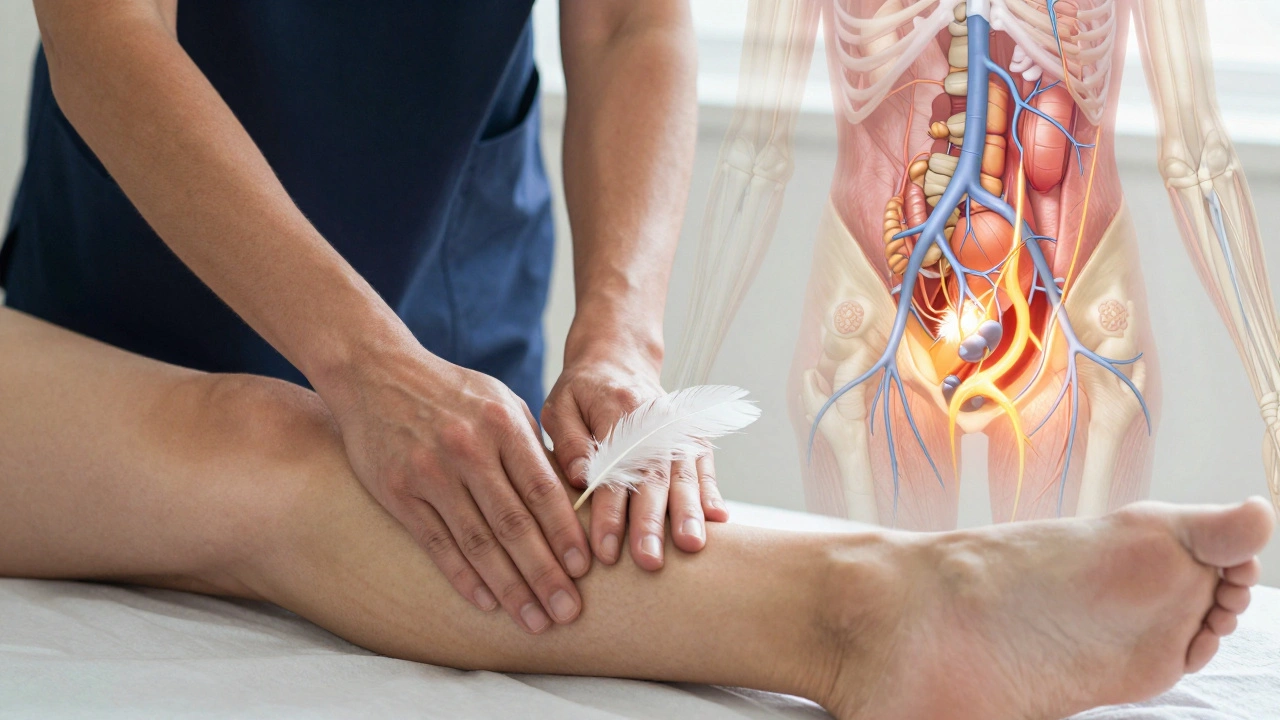
Lymphatic drainage massage is a technique designed to help that fluid flow. A therapist uses extremely light pressure-about the weight of a nickel-on your skin, in slow, circular motions. It’s not meant to relax your muscles. It’s meant to guide your lymph fluid toward your nodes so it can be filtered and flushed out. Think of it like gently sweeping leaves into a gutter so rain can carry them away.
This isn’t new. It was developed in the 1930s by two Danish therapists, Emil and Estrid Vodder, to treat chronic sinus issues. Today, it’s used in hospitals, rehab centers, and wellness studios. And yes-it works.
Why It Works: Real Benefits You Can Feel
Here’s what people report after just a few sessions:
- Less puffiness-especially around the eyes, face, and ankles. If you wake up looking puffy after salty food or a long flight, this helps.
- Better immunity-your lymph nodes house immune cells. When they’re backed up, your body can’t fight off colds as easily. Drainage helps them work better.
- Faster recovery-after surgery, injury, or even intense workouts, fluid builds up. Drainage massage helps clear it out, reducing swelling and pain.
- Clearer skin-toxins that cause dullness and breakouts get flushed. Many clients notice a glow after a session.
- Deep relaxation-because the pressure is so light, your nervous system shifts into rest mode. You don’t just feel relaxed-you feel reset.
One client from Solihull, a nurse working 12-hour shifts, said: “I used to have swollen legs by Friday. After two sessions, I could wear my sandals again. And I slept like a baby.”
Types of Lymphatic Drainage in Birmingham
You’ve got two main options here:
- Manual Lymphatic Drainage (MLD)-this is the gold standard. Done by certified therapists trained in the Vodder or Foldi methods. They use precise hand movements to follow the path of lymph flow. Sessions last 60-90 minutes and focus on specific areas like the face, neck, arms, or legs.
- Device-Assisted Drainage-some spas use machines with gentle suction or vibration. These are less targeted than manual work, but can be good for maintenance or if you’re sensitive to touch. Not as effective for serious swelling, but fine for general wellness.
Most clinics in Birmingham stick with manual. It’s more precise, more effective, and more widely trusted.
How to Find a Good Therapist Near You
Not everyone who says they do “lymphatic massage” actually knows how. Here’s how to find someone who does it right:
- Look for certifications: MLD Practitioner, Vodder-trained, or CDT (Certified Lymphedema Therapist). These mean they’ve done formal training.
- Check reviews that mention swelling reduction or recovery after surgery. Generic “felt relaxed” reviews aren’t enough.
- Ask where they trained. Reputable schools include the Lymphedema Association UK or the Dr. Vodder School.
- Try clinics in Edgbaston, Harborne, or the city centre-these areas have the highest concentration of trained therapists.
Some physiotherapy clinics offer lymphatic drainage as part of post-surgery rehab. If you’ve had cancer treatment, dental surgery, or a tummy tuck, ask your doctor for a referral.
What Happens During a Session?
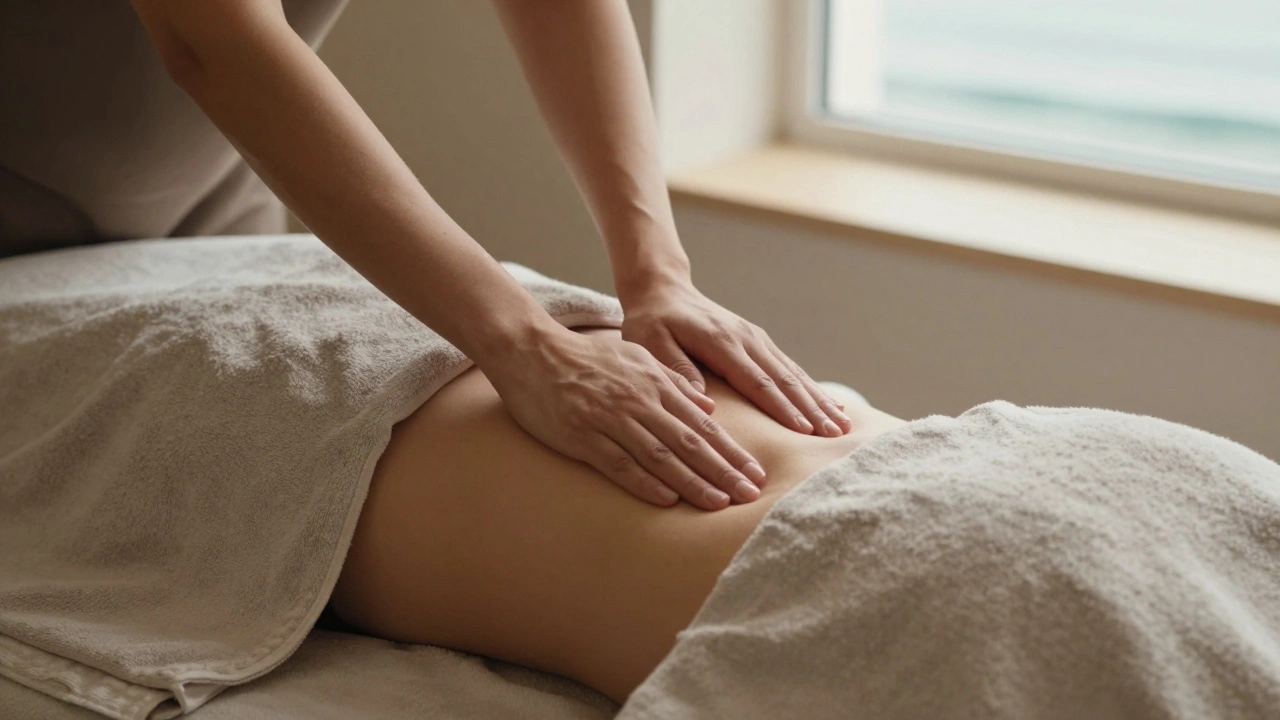
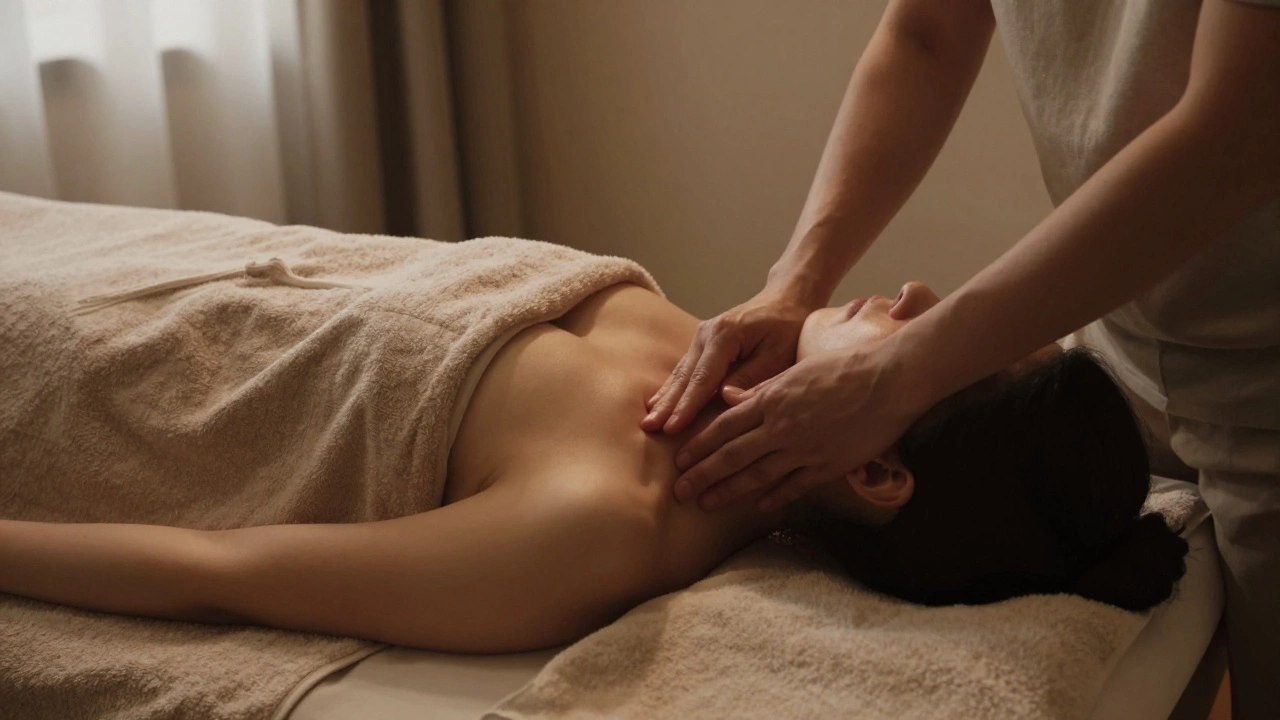
Picture this: You’re lying on a warm, soft table, wrapped in a towel. The lights are low. The therapist’s hands barely brush your skin. They start at your collarbone, then move down your arms, around your belly, and along your legs-all in slow, rhythmic circles. No oil, no strong scents, no music that’s too loud. Just quiet, deliberate motion.
You might feel a slight tingling, or nothing at all. That’s normal. The goal isn’t to feel pressure-it’s to feel movement inside. Most people drift off. Some even fall asleep. After 60 minutes, you’ll feel lighter. Your skin might feel softer. Your face might look less puffy. And you’ll probably want to take a nap.
Afterward, drink water. Your body’s flushing out toxins, and hydration helps it along.
How Much Does It Cost?
In Birmingham, prices vary by experience and location:
- 60-minute session: £55-£80
- 90-minute session: £85-£110
- Package deals (5 sessions): £250-£350 (saves about 20%)
Some clinics offer first-time discounts. Others include it as part of a post-surgery recovery plan covered by private insurance. Always ask if they accept BUPA, Aviva, or Vitality.
Booking is easy. Most places let you book online. Look for “lymphatic drainage” in their service list-not just “massage.”
Safety First: Who Should Avoid It?
Lymphatic drainage is safe for most people. But skip it if you have:
- An active infection or fever
- Untreated cancer (especially if it’s spread to lymph nodes)
- Severe heart failure
- Deep vein thrombosis (blood clots)
If you’re pregnant, it’s generally fine-but only after the first trimester and with a therapist trained in prenatal care. Always tell your therapist about any health condition, even if you think it’s unrelated.
Lymphatic Drainage vs. Swedish Massage
| Feature | Lymphatic Drainage Massage | Swedish Massage |
|---|---|---|
| Pressure | Feather-light (1-2 oz of pressure) | Medium to firm |
| Goal | Move lymph fluid, reduce swelling, detoxify | Relax muscles, improve circulation |
| Technique | Circular, pumping motions along lymph paths | Long strokes, kneading, tapping |
| Best for | Puffiness, post-surgery, immune support | Stiff neck, back pain, general stress |
| After effects | Lighter body, increased urination, calm mind | Relaxed muscles, possible soreness |
| Frequency | Weekly or biweekly for best results | Monthly for maintenance |
Frequently Asked Questions
Can I do lymphatic drainage massage myself?
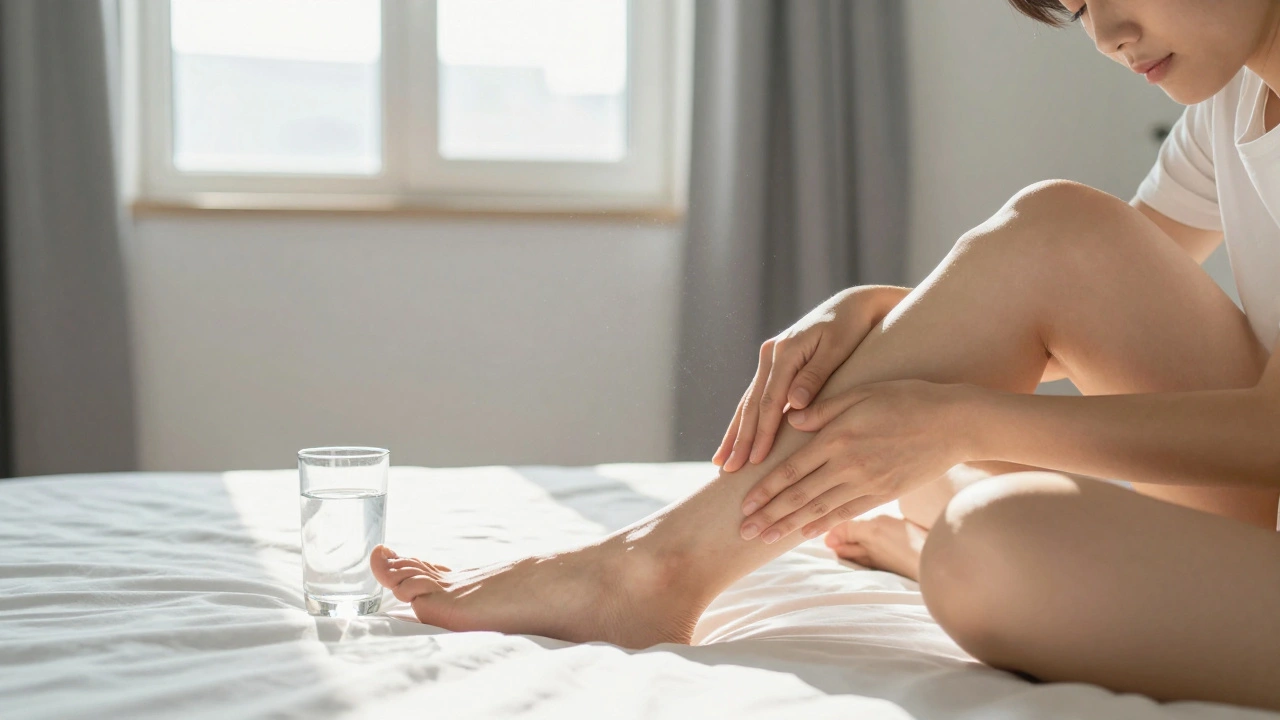
Yes, and it’s surprisingly easy. You can do a basic version at home using your fingertips. Start at your collarbone, then gently sweep toward your armpits. Move from your inner ankle up toward your knee, then your thigh. Use only the weight of your fingers-no pushing. Do it for 5-10 minutes in the morning, before showering. Many people do this daily. It won’t replace a professional session, but it helps keep things moving.
How soon will I see results?
Some people feel a difference after one session-especially if they’re swollen from travel or a meal high in salt. For lasting changes, like reduced puffiness or better immunity, aim for 3-5 sessions over two weeks. Think of it like cleaning a clogged drain: one pass helps, but you need a few to really clear it.
Does lymphatic drainage help with weight loss?
Not directly. It doesn’t burn fat. But if you’re holding onto excess fluid (which can add pounds), you might see a temporary drop on the scale-usually 1-3 pounds. That’s water, not fat. It’s not a weight-loss tool, but it can make you look and feel leaner.
Is it safe after cosmetic surgery?
Yes-in fact, it’s often recommended. After liposuction, tummy tucks, or breast surgery, fluid builds up. Lymphatic drainage helps reduce swelling, bruising, and scar tissue. Most surgeons in Birmingham suggest starting 7-10 days after surgery. Always get clearance from your surgeon first.
Can I combine it with other therapies?
Absolutely. Many people pair it with acupuncture, cryotherapy, or even yoga. It’s gentle enough to do the day before or after a deep tissue massage. Just avoid intense exercise right after-it can overload your system. A walk or light stretch is perfect.
Ready to Feel Lighter?
If you’ve been dragging through your days, feeling puffy, or just not quite yourself, lymphatic drainage massage might be the quiet reset you didn’t know you needed. It’s not flashy. It doesn’t promise miracles. But if you give it a real try-three sessions, not one-you’ll likely notice a shift. Less puffiness. Better sleep. A clearer head. And maybe, just maybe, the kind of calm that comes when your body finally feels like it’s working the way it should.
Book your first session. Your lymphatic system will thank you.