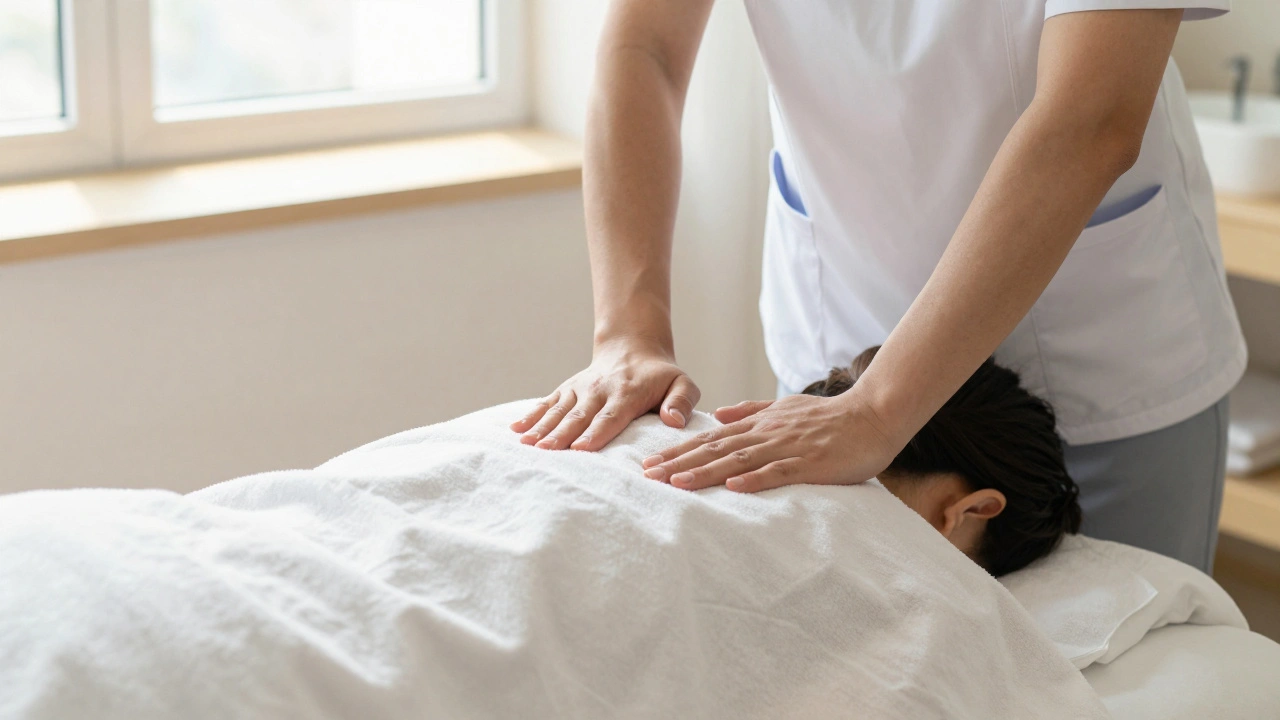
You might have heard the term happy ending massage before. It sounds like a relaxing treat, but this is actually a misleading term used to describe illegal sexual services. In the UK, any massage service promising this is operating outside the law. Let's unpack what this really means and why it's dangerous.
What is a Happy Ending Massage?
Happy Ending Massage is slang for a massage that includes sexual activity. But here's the hard truth: professional therapists in the UK never offer this. The term is used by illegal operations to attract customers. Legitimate massage therapy focuses purely on physical health benefits like reducing muscle tension or improving circulation. Anything involving sexual acts crosses into illegal territory under UK law.
Legal Status in the UK
UK Massage Laws are crystal clear. The Sexual Offences Act 2003 makes it illegal to run a brothel or offer sexual services for money. This includes massage parlours promising "happy endings." Even as a customer, you could face criminal charges for soliciting illegal sexual activity. Legitimate therapists must be registered with bodies like the Complementary and Natural Healthcare Council (CNHC). They work in licensed clinics or spas with transparent pricing and clear service descriptions. No reputable business will ever advertise "happy endings" - because it's against the law.
Risks of Seeking "Happy Ending" Services
Choosing these services comes with serious dangers. First, you risk legal trouble: police often raid illegal massage parlours, and customers can be arrested. Second, many operations are scams. You might pay £50-£100 for a massage, only to get nothing but a fake "happy ending" or no service at all. Worse, some places are fronts for human trafficking. Workers are often exploited, and customers unknowingly support dangerous criminal networks. Safety should always come first - and that means avoiding any service that promises sexual acts.

Legitimate Massage Alternatives
Need real relaxation or pain relief? Try these legal options:
| Massage Type | Best For | Typical Cost (UK) |
|---|---|---|
| Swedish Massage | Stress relief and relaxation | £40-£60 per hour |
| Deep Tissue Massage | Chronic muscle pain and tension | £50-£70 per hour |
| Thai Massage | Flexibility and energy flow | £45-£65 per hour |
| Lymphatic Drainage | Post-surgery recovery and swelling | £55-£80 per hour |
All these options are offered by licensed professionals. They’re safe, effective, and completely legal. No hidden agendas - just skilled hands working to improve your well-being.
How to Find Reputable Massage Services in the UK
Want a safe, legal massage? Here’s how to spot a trustworthy therapist:
- Check for Massage Therapist Licensing: Look for CNHC registration or membership with the Federation of Holistic Therapists (FHT).
- Read online reviews: Sites like Google or Trustpilot show real customer experiences. Avoid places with complaints about hidden fees or inappropriate behavior.
- Visit the clinic: Legitimate businesses have clear signage, professional settings, and therapists in uniform. They’ll explain exactly what to expect before you pay.
- Ask directly: "Does your service include sexual acts?" Any reputable therapist will say "no" immediately.
Remember: if a place seems too good to be true - like "cheap massages" or "discreet services" - it’s likely illegal. Trust your instincts and walk away.
Safety Tips for Massage Sessions
Even with legitimate therapists, stay vigilant:
- Never pay in advance for "special" services. Reputable places list prices upfront.
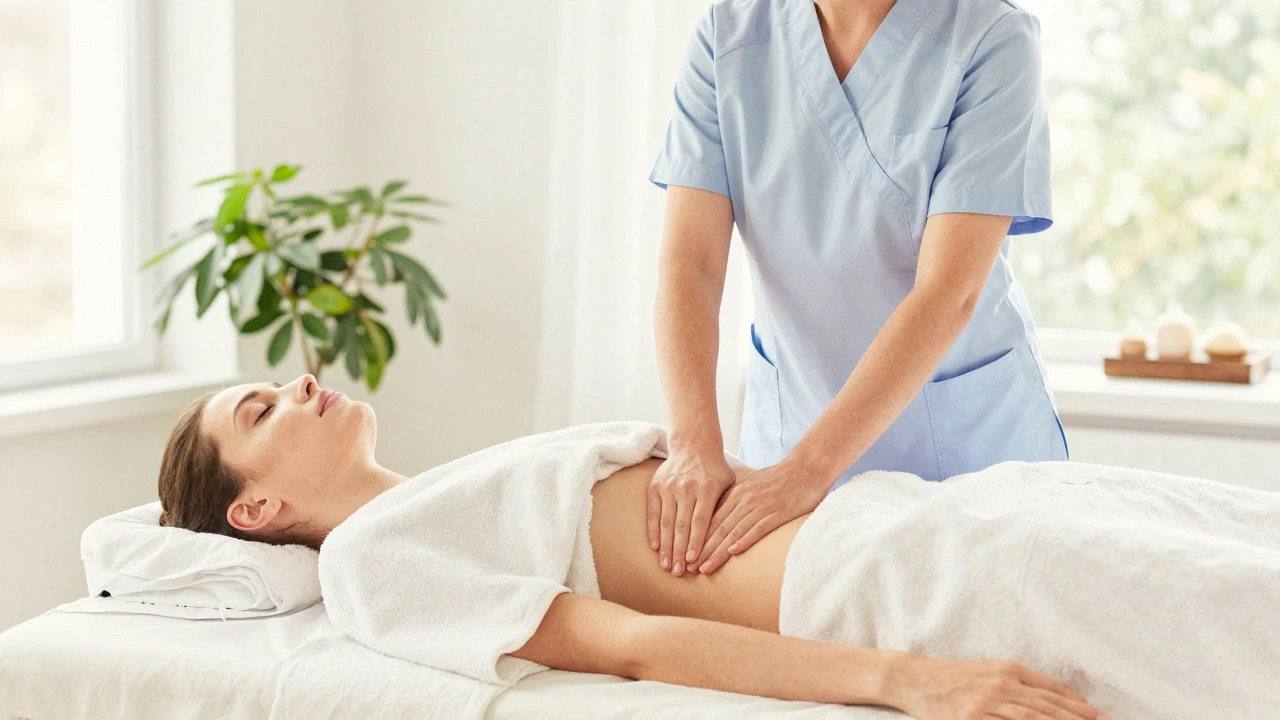
- Keep clothes on during the session unless you’re comfortable with the therapist’s professional techniques. Legitimate therapists always use draping (blankets) to cover private areas.
- Speak up if something feels wrong. A good therapist will stop immediately and respect your boundaries.
- Avoid private residences or unmarked locations. Legitimate services operate from registered clinics or spas.
These steps keep you safe and ensure you get real therapeutic benefits. Your health and safety matter more than any risky "shortcut."
FAQ: Your Questions About Massage Safety Answered
Is a happy ending massage legal in the UK?
No. Under UK law, any massage service offering sexual activity is illegal. The Sexual Offences Act 2003 prohibits brothels and sexual services for money. Legitimate therapists focus solely on health benefits like pain relief or relaxation - never sexual acts.
Can I get arrested for booking a happy ending massage?
Yes. Police often raid illegal massage parlours, and customers can face charges for soliciting illegal sexual services. Even if you don’t participate, being present at an illegal operation can lead to arrest. It’s simply not worth the risk.
What’s the difference between a legitimate massage and a "happy ending" service?
Legitimate massages are therapeutic. Therapists use proven techniques to reduce pain, improve mobility, or reduce stress. They work in professional settings, follow strict ethics, and never touch private areas. "Happy ending" services involve sexual acts, which are illegal and unsafe. There’s no overlap - one is health-focused, the other is criminal.
How do I verify a massage therapist’s legitimacy?
Check their registration with the Complementary and Natural Healthcare Council (CNHC) or Federation of Holistic Therapists (FHT). Look for clear pricing on their website, professional clinic photos, and positive reviews. If they avoid answering questions about their qualifications or services, walk away.
Are there safe alternatives to "happy ending" massages?
Absolutely. Swedish massage reduces stress, deep tissue eases chronic pain, and Thai massage improves flexibility. All are legal, effective, and offered by licensed therapists. For example, a 60-minute Swedish massage in Birmingham typically costs £45-£60 and leaves you feeling refreshed - no risks, no secrets.






Joe Pittard
February 6, 2026 AT 16:35Let me clarify the nuances here. The term "happy ending massage" is a complete misnomer-it's not about ending happily but about illegal sexual services masquerading as legitimate therapy. In the UK, the Sexual Offences Act 2003 explicitly prohibits any commercial sexual activity, including massage parlors offering such services. Legitimate therapists operate under strict regulatory frameworks like the CNHC or FHT, which mandate professional boundaries and ethical practices. It's important to note that these regulations aren't merely suggestions; they're legally binding and enforced by authorities. Many establishments exploit vague terminology to skirt the law, but the distinction is clear: therapeutic massage focuses on physical health, while "happy ending" services are criminal. Consumers must be vigilant-always verify credentials, check for clear pricing, and avoid places that use euphemisms. The consequences of engaging with illegal services are severe, including criminal charges and potential involvement in human trafficking networks. Furthermore, the term itself perpetuates harmful stereotypes about massage therapy as a whole, which undermines legitimate practitioners. It's crucial to educate oneself on the legal definitions to avoid unintentionally supporting criminal enterprises. This isn't just about avoiding trouble; it's about respecting the profession and ensuring safety for everyone involved. The UK's legal system is designed to protect citizens from exploitation, and understanding these laws is a fundamental responsibility. Always remember: if it sounds too good to be true, it probably is. Trust the professionals, not the scammers.
Benjamin Buzek
February 8, 2026 AT 13:56How delightfully pedantic. Your 15-sentence manifesto on legal technicalities is both exhausting and irrelevant. The law is unequivocal: any sexual service for money is illegal, period. There are no "nuances" or "loopholes" to debate. The term "happy ending" is merely slang for a criminal act, and the article correctly identifies this. Your attempt to overcomplicate a straightforward issue is precisely why misinformation proliferates. I suggest you consult the actual legislation instead of spouting vague generalizations. The CNHC regulations are clear-no sexual activity permitted. End of story.
Laurence B. Rodrigue
February 8, 2026 AT 22:16This is basic knowledge; anyone who doesn't know this is either naive or dishonest.
Aditi Sonar
February 10, 2026 AT 11:51Wait, you're saying it's basic knowledge? 😤 I think the government is using this to control the wellness industry! 🤯 They're secretly working with Big Pharma to shut down small businesses! 🧪💉 Also, did you know that the CNHC is actually a front for the Illuminati? 😈 #WakeUpPeople
Vincent Barat
February 11, 2026 AT 18:44THE UK LAWS ARE A DISGRACE!!! THEY'RE ALLOWING FOREIGN NATIONALS TO TAKE OVER OUR MASSAGE INDUSTRY!!! 🔥🔥🔥 ALSO, THE TERM "HAPPY ENDING" IS A LIE-IT'S ACTUALLY A TOOL FOR HUMAN TRAFFICKING BY THE EU!!! 😡
Ramesh Narayanan
February 12, 2026 AT 20:46Actually, the punctuation is excessive. The CNHC is a UK-based organization, not an EU front. Also, "massage" should be "massages" in the second sentence. Please be accurate.
Louie B-kid
February 14, 2026 AT 14:40Hey there! Just wanted to say great catch on the punctuation! 😊 Let's keep the conversation positive and evidence-based. Supporting certified professionals like CNHC-registered therapists ensures safe, effective care. Remember: "massage" is singular, but "massages" is plural when referring to multiple sessions. Thanks for the correction! 🌟