What if touch could do more than relax your muscles-what if it could help you finally feel at home in your own skin? That’s the quiet promise behind tantric massage. Not just another spa treatment, it’s a gentle, intentional practice that turns physical contact into a doorway to deeper self-acceptance. You don’t need to be spiritual, experienced, or even comfortable with your body to start. You just need to be willing to pause-and let someone else hold space for you.
Key Takeaways
- Tantric massage is not about sex-it’s about presence, breath, and non-goal-oriented touch.
- It helps release emotional tension stored in the body, often leading to unexpected moments of crying, laughing, or deep peace.
- Practiced with consent, boundaries, and clear communication, it can rebuild trust in your own body.
- In Brighton, trained practitioners focus on mindfulness, not eroticism, making it accessible even for those wary of sensual touch.
- Many people report feeling lighter, more grounded, and more compassionate toward themselves after just one session.
What Is Tantric Massage, Really?
Let’s clear up the biggest myth right away: tantric massage isn’t a prelude to sex. It’s not about performance, pleasure, or release. It’s about presence. Rooted in ancient Eastern traditions, tantric practice teaches that energy flows through the body-and when you slow down enough to feel it, you reconnect with parts of yourself you’ve been ignoring.
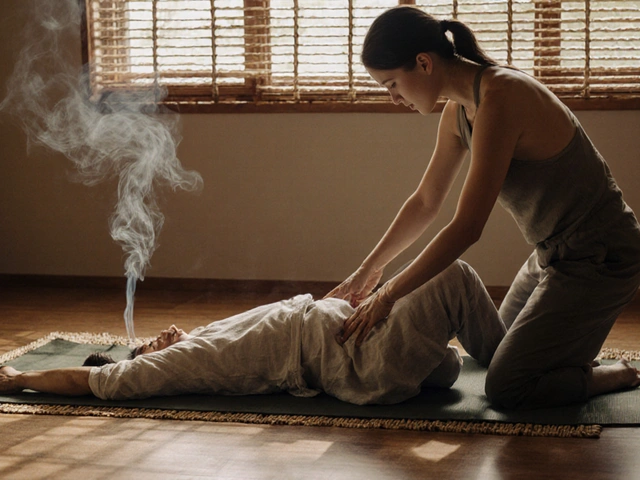
In a tantric session, the therapist uses slow, deliberate strokes, often with warm oil, to guide your awareness into areas you might normally avoid-your lower back, your belly, your inner thighs. There’s no rush. No expectation. Just touch that says: you are safe here.
Unlike a regular massage that aims to loosen knots, tantric massage aims to loosen the stories you’ve been carrying. The ones like: "I’m not worthy of tenderness," or "My body is too much," or "I don’t deserve to feel good without earning it."
Why It Works: The Science of Touch and Self-Acceptance
There’s real science behind why this works. Studies in neurobiology show that slow, rhythmic touch activates the vagus nerve-the part of your nervous system that tells your body, "You’re safe." When that happens, your heart rate slows, your stress hormones drop, and your brain starts releasing oxytocin, the bonding hormone.
But here’s the deeper part: when someone touches you with no agenda, it challenges your brain’s old beliefs. If you’ve spent years believing touch equals demand, or sex equals worth, then slow, non-sexual touch becomes revolutionary. It doesn’t fix you. It reminds you that you don’t need fixing.
One woman in Brighton told me, "I cried for 20 minutes during my session. I didn’t know why. But afterward, I felt like I’d been holding my breath for ten years." That’s not unusual. Tantric massage doesn’t force emotion-it creates space for it to rise.
What Happens in a Typical Session?
Every session is different, but here’s what you can generally expect:
- You’ll begin with a quiet conversation-no pressure, no judgment. You’ll talk about your boundaries, what feels good, and what you’d like to explore.
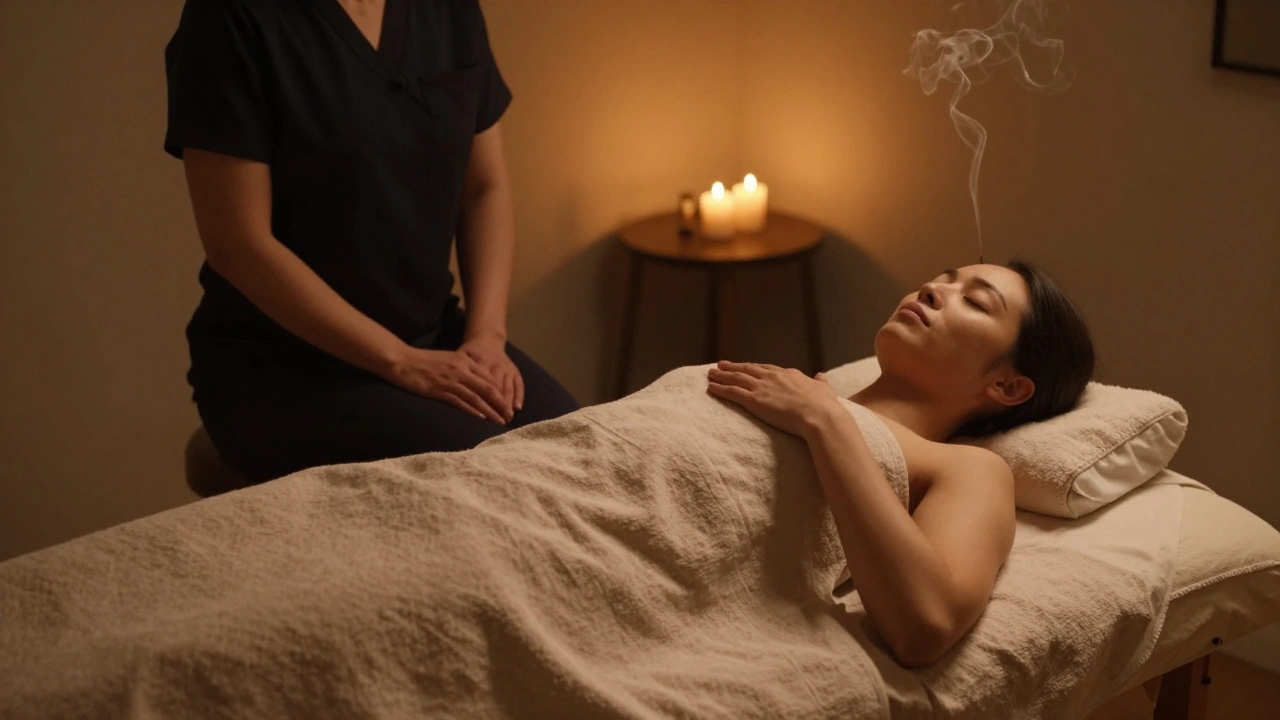
- The room is dim, warm, and soft. Candles, incense, or gentle music set the tone. No loud spa music. No talking.
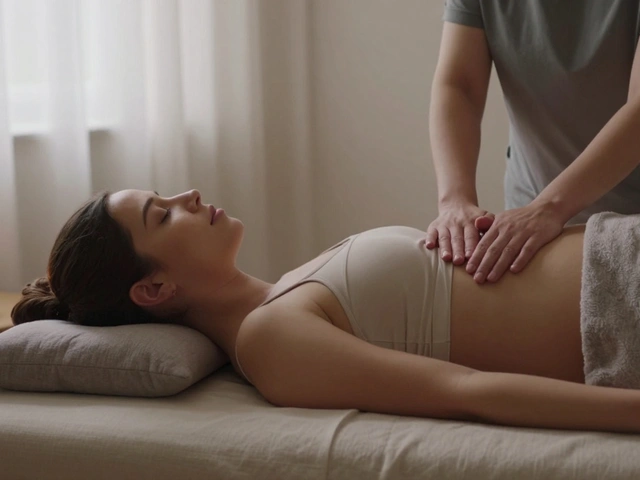
- You lie on a heated table, covered with a towel. The therapist works slowly, often starting with your feet or shoulders-areas that feel safe.
- Touch is never invasive. If you feel discomfort, you say so. The therapist adjusts immediately.
- There may be breathwork-gentle guidance to inhale through your nose, exhale slowly. This helps you stay present.
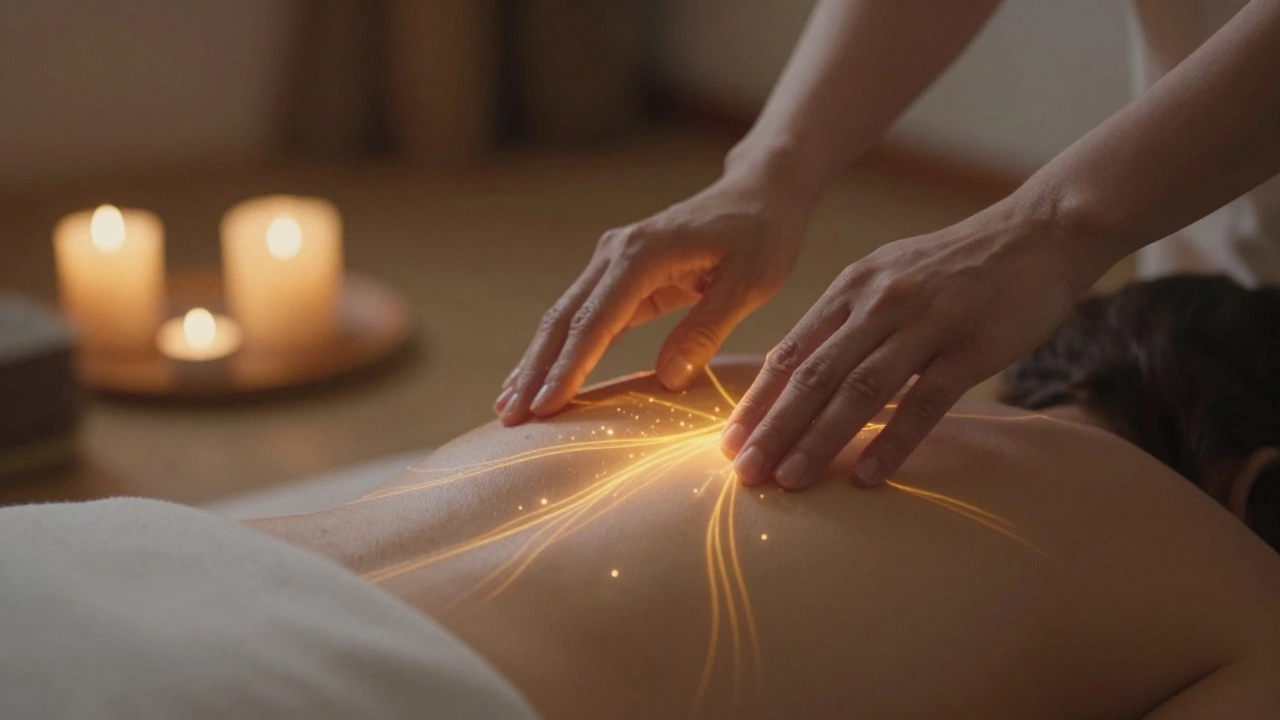
- Some sessions include gentle energy work-hands hovering near your body, not touching, to help you feel the flow of energy.
- The session ends with silence, maybe a warm drink, and time to sit and feel what’s shifted.
There’s no "happy ending." There’s no nudity beyond what you’re comfortable with. No pressure to undress. No expectations. Just you, your body, and a practitioner who’s trained to hold space without trying to fix you.
Tantric Massage vs. Sensual Massage in Brighton
People often confuse tantric massage with sensual massage. Here’s the difference:
| Aspect | Tantric Massage | Sensual Massage |
|---|---|---|
| Goal | Self-awareness, emotional release, presence | Pleasure, arousal, sensual stimulation |
| Touch Style | Slow, deliberate, non-goal-oriented | Flowing, rhythmic, often erotic |
| Focus Area | Whole body, including non-sexual zones | Often focused on erogenous zones |
| Aftercare | Quiet reflection, tea, grounding | Often ends with orgasm or sexual release |
| Therapist Training | Energy work, trauma-informed touch, mindfulness | Technique-focused, sensual stimulation |
In Brighton, tantric practitioners are more likely to be certified in somatic therapy or energy healing. Sensual massage providers often focus on arousal and release. One isn’t better than the other-but they serve very different needs.
How to Find a Reputable Practitioner in Brighton
If you’re curious, here’s how to find someone trustworthy:
- Look for practitioners who mention trauma-informed or consent-based touch in their descriptions.
- Check reviews for phrases like "I felt seen," "no pressure," or "I cried and felt better." Avoid ones that sound like "hot session" or "ultimate pleasure."
- Many offer a 15-minute free consultation. Use it. Ask: "How do you handle boundaries?" and "What happens if I feel overwhelmed?"
- Most work from quiet studios in areas like Hove, Preston Park, or Kemp Town-not hotels or private homes.
- Prices usually start at £80 for 60 minutes. Anything under £60 should raise a red flag-quality tantric work takes training and time.
Some practitioners in Brighton offer sessions with female, male, or non-binary therapists. You can request your preference. This isn’t about attraction-it’s about comfort.
What to Expect After Your First Session
Some people feel euphoric. Others feel raw. Some feel nothing at all-and that’s okay too.
It’s common to feel emotionally tender for a day or two afterward. You might cry for no reason. Or laugh unexpectedly. Or feel unusually calm. That’s your nervous system resetting.
One man in his 50s said, "I didn’t realize how much anger I’d been holding in my hips. After the massage, I slept for 11 hours. Woke up feeling… lighter. Like I’d been carrying a backpack full of bricks and didn’t even know it."
Don’t expect instant transformation. Tantric massage isn’t a magic cure. It’s a mirror. It shows you what’s been buried. The healing happens when you keep listening to what it reveals.

Is Tantric Massage Safe?
Yes-when done right. Here’s how to stay safe:
- Always confirm the practitioner has training in ethical touch. Ask for certifications.
- Never feel pressured to remove clothing. You can keep your underwear on. Always.
- Use your voice. If something feels off, say "stop," "slower," or "I need a break." Good practitioners welcome this.
- Avoid practitioners who push spiritual concepts or try to "heal your chakras" with no grounding in your experience.
- If you’ve had trauma, especially around touch or intimacy, tell your therapist beforehand. Many specialize in trauma recovery.
Tantric massage isn’t for everyone-and that’s fine. If you feel uneasy, it’s okay to walk away. Your comfort matters more than any trend.
Who Benefits Most From Tantric Massage?
You might benefit if:
- You’ve felt disconnected from your body after stress, illness, or loss.
- You struggle with self-criticism or shame around your body.
- You’re recovering from trauma or emotional burnout.
- You’re curious about mindfulness but find meditation too "mental."
- You want to feel pleasure without performance pressure.
It’s not about being "spiritual." It’s about being human. And humans need to feel safe in their own skin.
Frequently Asked Questions
Is tantric massage sexual?
No. Tantric massage is not sexual. While it involves touch to intimate areas, the intention is never arousal or orgasm. The focus is on awareness, breath, and emotional release. Practitioners trained in tantric work avoid erotic stimulation and prioritize your emotional safety over physical response.
Do I have to be naked?
Absolutely not. You can keep your underwear on, wear loose clothing, or cover yourself with towels. Most people choose to undress only partially. The therapist respects your boundaries completely. Your comfort is non-negotiable.
How many sessions do I need?
One session can be powerful. Many people feel a shift after just one. But if you’re working through deep emotional patterns, 3-5 sessions spaced over weeks can help you integrate the experience. There’s no pressure to continue. You go at your own pace.
Can men receive tantric massage?
Yes. Tantric massage is for all genders. Men often carry unspoken emotional burdens-pressure to be strong, to never show vulnerability. Tantric touch gives them permission to feel without performing. Many men report feeling more connected to their emotions after sessions.
Is tantric massage legal in Brighton?
Yes, when practiced ethically. Licensed practitioners operate within UK law, avoiding any sexual activity or explicit services. Reputable studios clearly state their boundaries, focus on wellness, and avoid terms like "happy ending" or "erotic." Always choose providers who emphasize consent and emotional safety.
Ready to Begin?
You don’t need to understand energy, chakras, or meditation to try tantric massage. You just need to be tired of feeling disconnected. If you’ve ever whispered to yourself, "I wish I could just relax," this might be the quietest, most powerful way to start.
Find a practitioner in Brighton who feels safe. Book a consultation. Say yes to the possibility that touch, without agenda, might be the bridge back to yourself.