Traditional Thai Therapy: Authentic Massage Techniques in London
When you think of traditional Thai therapy, a 2,500-year-old healing system that blends acupressure, assisted yoga postures, and energy line work to restore balance in the body. Also known as Thai yoga massage, it’s not just a massage—it’s a full-body experience designed to release tension, improve flexibility, and unblock energy flow. Unlike Swedish or deep tissue massage, where you lie still, traditional Thai therapy happens on a mat on the floor. The therapist uses their hands, thumbs, elbows, knees, and even feet to guide you through a series of stretches while applying rhythmic pressure along energy lines called sen lines. This isn’t just about muscle relief—it’s about resetting your entire nervous system.
What makes traditional Thai therapy stand out is how deeply it connects movement, breath, and touch. It’s not passive. You’re gently moved into positions that open your hips, lengthen your spine, and release tight shoulders—all without needing to do a single stretch yourself. Many people in London turn to it after years of sitting at desks, running marathons, or recovering from injuries. It’s especially popular among yogis and athletes because it improves joint mobility in ways that static stretching can’t. And unlike oil-based massages, no lotions are used. The focus is on pressure and alignment, not scent or glide. You’ll sweat. You’ll feel sore the next day. And you’ll wonder how you ever lived without it.
Here in London, finding an authentic session means looking beyond the spas that slap on the label "Thai" and use Western techniques. True traditional Thai therapy comes from practitioners trained in Thailand, often in temples or lineage-based schools. They don’t just know the moves—they understand the philosophy behind them. You’ll notice the difference: no rushed 30-minute sessions, no upselling add-ons, no loud music. Just quiet focus, steady pressure, and intentional movement. The best places in the city work with therapists who’ve spent months or years studying in Chiang Mai or Bangkok, not just watching YouTube videos.
It’s also worth noting how traditional Thai therapy relates to other healing practices you might know. It shares roots with Ayurveda and Chinese meridian theory, which is why you’ll often see it paired with herbal compresses or aromatherapy in London’s top clinics. But it’s its own thing—structured, systematic, and deeply physical. If you’ve tried yoga but feel stiff, or if massage helps temporarily but the pain always comes back, this might be the missing piece. It doesn’t promise miracles, but it does deliver lasting change if you let it work with your body, not against it.
Below, you’ll find real reviews and guides from people who’ve tried traditional Thai therapy across London—from hidden studios in Camden to quiet retreats near King’s Cross. Some focus on the athletic benefits, others on how it eases chronic back pain or helps with sleep. No fluff. No marketing. Just what works, what doesn’t, and where to go for the real thing.
Nov
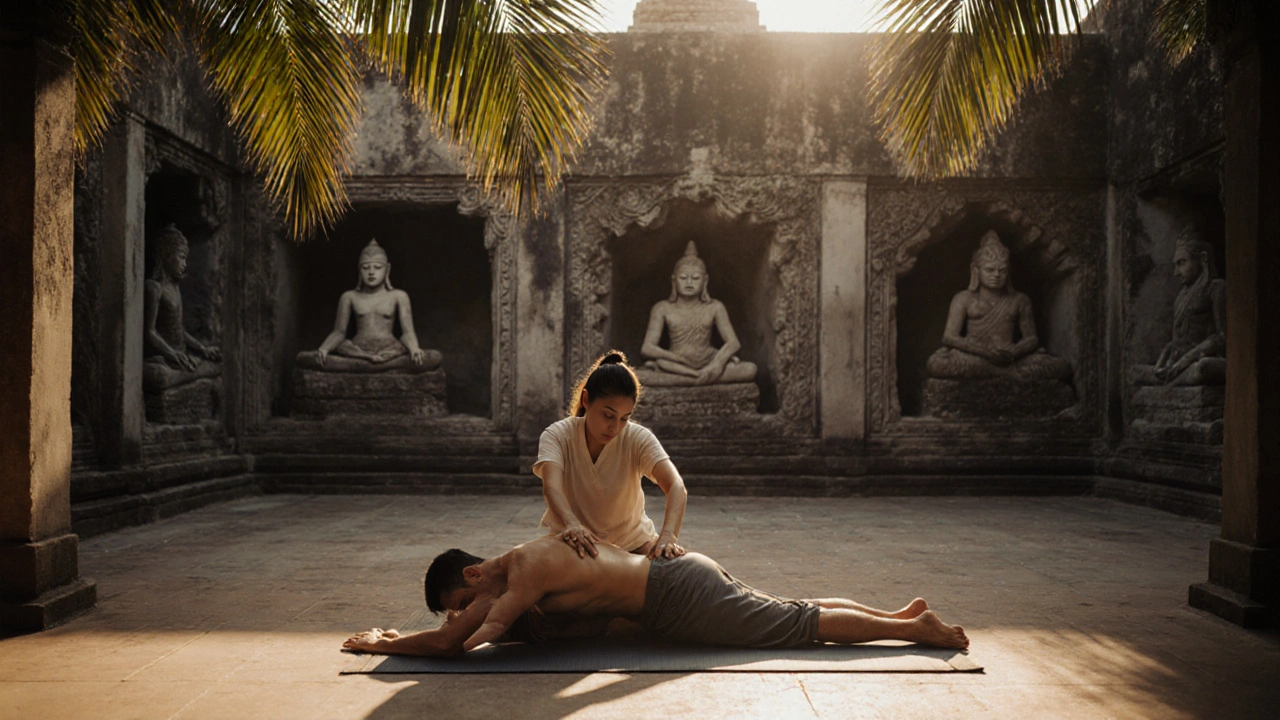
Discover the deep cultural roots of Thai massage in Thailand-how it's more than bodywork, rooted in ancient healing, temple traditions, and spiritual practice. Learn what to expect, where to find authentic sessions, and why it's a living heritage.
Read More