You know that feeling when your shoulders are tight, your mind is racing, and no amount of coffee can quiet the noise? That’s not just a bad day-it’s your body screaming for a reset. Enter Swedish massage: the gentle, grounding, and surprisingly powerful therapy that’s been helping people find calm for over 200 years.
Key Takeaways
- Swedish massage uses long, flowing strokes to relax muscles and calm the nervous system.
- It’s not just about comfort-it reduces cortisol, improves circulation, and boosts mood naturally.
- Unlike deep tissue or sports massage, it’s designed for relaxation, not correction.
- Most people feel lighter, calmer, and more centered within 30 minutes.
- You don’t need to be in pain to benefit. It’s preventative self-care, not just treatment.
What Is Swedish Massage?
Swedish massage isn’t some fancy spa invention from the last decade. It was developed in the early 1800s by a Swedish physiotherapist named Per Henrik Ling. He combined movement, gymnastics, and manual techniques to create a system focused on healing through touch. Today, it’s the most common type of massage in the Western world-and for good reason.
Think of it as a slow, rhythmic hug for your muscles. Therapists use five core techniques: effleurage (long gliding strokes), petrissage (kneading), friction (deep circular movements), tapotement (gentle tapping), and vibration. Together, they don’t just loosen knots-they reset your whole nervous system.
Here’s the thing most people miss: Swedish massage isn’t about fixing tightness. It’s about returning your body to a state of balance. You’re not there to fix a pulled muscle or heal an injury. You’re there to let go.
Why It Works: The Science Behind the Soothing
Ever notice how you breathe deeper after a good massage? That’s not coincidence. Studies show Swedish massage lowers cortisol-the body’s main stress hormone-by up to 31%. At the same time, it boosts serotonin and dopamine, the chemicals that make you feel calm and happy.
One 2021 study published in the Journal of Clinical Nursing followed 68 adults who received weekly Swedish massages for six weeks. Participants reported a 40% drop in perceived stress levels and improved sleep quality. No pills. No apps. Just hands, oil, and stillness.
And it’s not just mental. The long, gliding strokes increase blood flow, helping your muscles get more oxygen and flush out lactic acid. Your lymphatic system-your body’s waste removal network-gets a gentle nudge too. That’s why many people feel less bloated and more energized after a session.
It’s not magic. It’s biology. And it’s accessible to anyone.
What to Expect During a Session
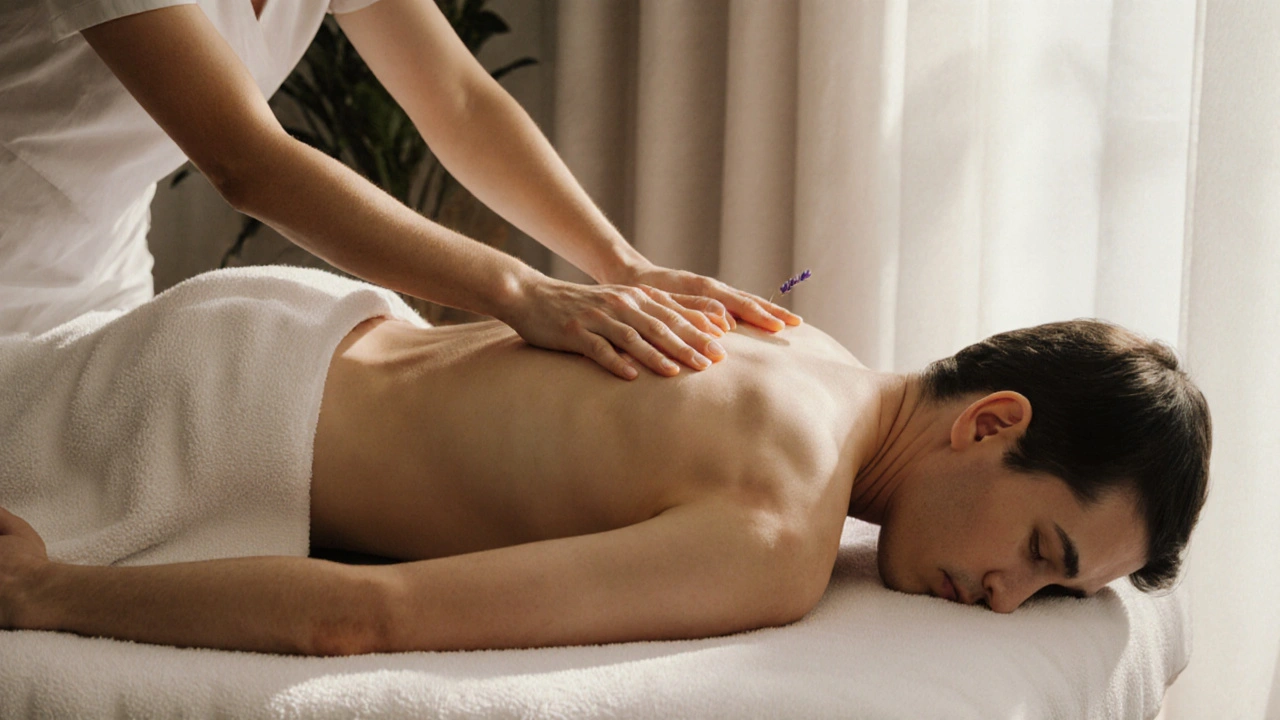
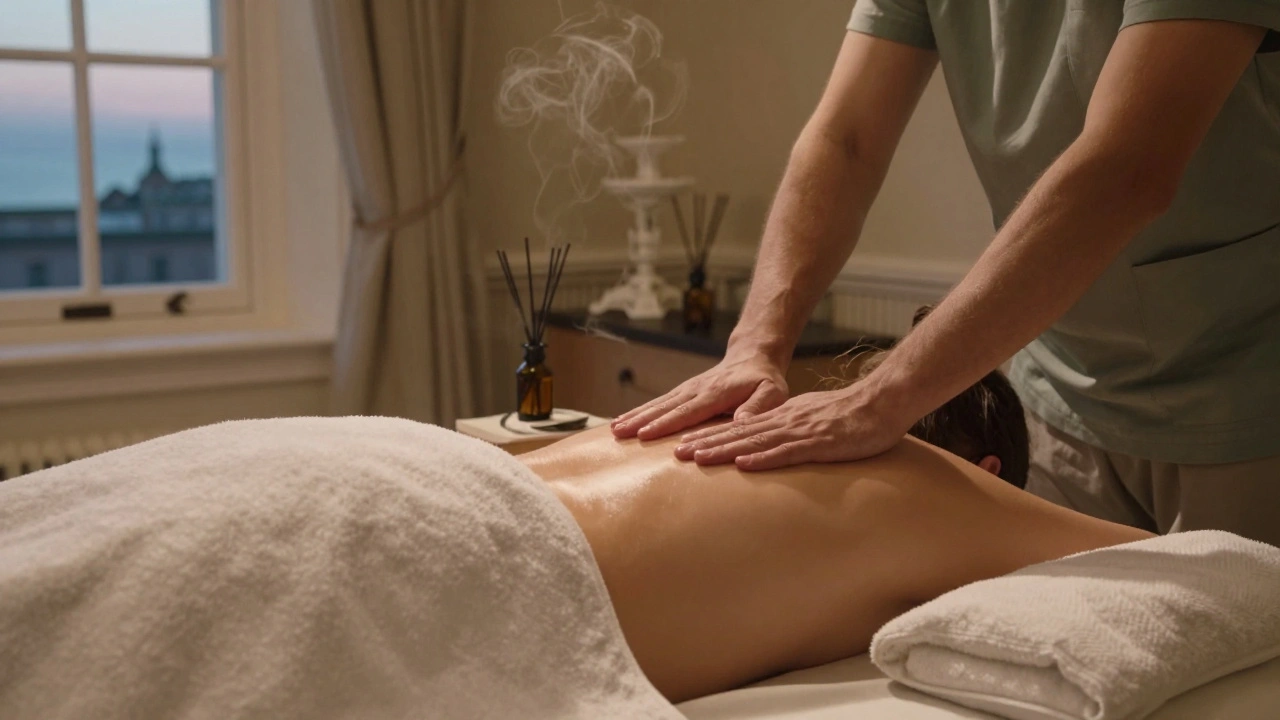
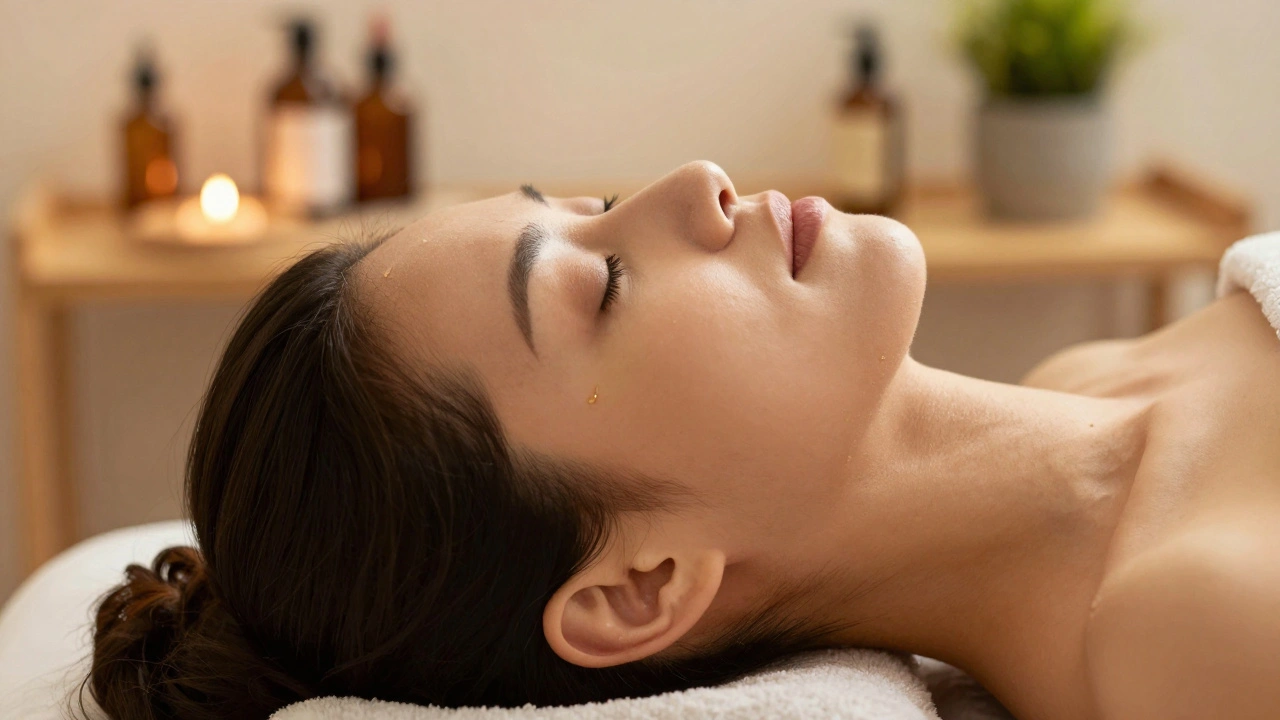
Picture this: soft lighting. Warm oil. Quiet music. You’re lying face down on a padded table, covered by a towel. The therapist enters quietly, asks if the pressure feels right, and begins.
The session starts with long strokes along your back-slow, smooth, and deliberate. These aren’t rushed. They’re meant to help you settle in. You might feel a little awkward at first. That’s normal. Most of us are used to being busy, not being still.
Then come the kneading motions on your shoulders and hips. The therapist doesn’t dig in like a jackhammer. They work with your body, not against it. If something feels too tender, you say so. A good therapist will adjust instantly.
By the time they reach your legs and feet, you’re not thinking about your to-do list anymore. You’re not checking your phone. You’re just… breathing.
Most sessions last 60 to 90 minutes. You’ll be draped at all times. No one is ever exposed. It’s not sensual-it’s sacred. And when it’s over, you’ll feel like you’ve slept for eight hours… without ever closing your eyes.
Swedish Massage vs. Other Types
| Feature | Swedish Massage | Deep Tissue | Sports Massage |
|---|---|---|---|
| Primary Goal | Relaxation, stress relief | Break down chronic tension | Improve performance, prevent injury |
| Pressure Level | Light to medium | Deep, intense | Variable, focused |
| Best For | First-timers, stress, anxiety | Chronic pain, stiff muscles | Athletes, active lifestyles |
| After Effects | Calmer, clearer mind | Soreness for 1-2 days | Improved mobility |
| Frequency Recommended | Weekly or biweekly | Monthly or as needed | Before/after events |
Swedish massage is the gateway. It’s the one you start with when you’ve never tried massage before. It’s the one you come back to when you need to reset. It’s not about pain. It’s about peace.
Where to Find It in Brighton
Brighton’s a city that knows how to unwind. From the seafront to the Lanes, there’s no shortage of places offering Swedish massage. But not all are created equal.
Look for therapists who are certified by the Complementary and Natural Healthcare Council (CNHC). That’s the UK’s gold standard. You’ll find them in quiet studios near the Royal Pavilion, in converted Victorian houses in Hove, or even in mobile setups that come to your home.
Ask if they use organic, fragrance-free oils. Many places still use synthetic scents that can trigger headaches or allergies. A good therapist will ask about your sensitivities before they even begin.
Don’t be afraid to book a 30-minute trial. Some studios offer introductory rates. Try one, then decide if you want to make it a habit.
How Much Does It Cost?
Here’s the reality: a 60-minute Swedish massage in Brighton usually costs between £55 and £85. Mobile services might be £10 more due to travel time. Premium spas with added extras like heated tables or aromatherapy can go up to £110.
But here’s the secret: it’s not an expense. It’s an investment. Think of it this way: if you spend £5 a day on coffee, that’s £35 a week. Swap one of those weeks for a massage, and you’ll get more lasting calm than caffeine ever could.
Many therapists offer package deals-three sessions for the price of two. If you’re serious about stress relief, that’s the way to go.

Who Should Try It?
Swedish massage isn’t just for people who feel stressed. It’s for anyone who wants to feel more like themselves.
- You work at a desk all day and your neck aches.
- You’re a parent who hasn’t sat still in months.
- You’re recovering from burnout and need to gently rebuild your energy.
- You’re not in pain, but you feel… off.
It’s also safe for most people-pregnant women (with proper positioning), seniors, and those with mild arthritis can all benefit. Just tell your therapist about any medical conditions. They’ll adjust accordingly.
It’s not for you if you’re looking for deep tissue work to fix a sports injury. That’s a different kind of massage. Swedish is for the soul.
What to Do After Your Session
Don’t rush out. Drink water. Your body is flushing out toxins. A glass of warm lemon water helps.
Avoid caffeine or heavy meals for the next few hours. Let your nervous system settle. You might feel sleepy. That’s okay. Take a nap if you can.
Some people feel emotional after a session. That’s normal. Massage releases stored tension-not just in muscles, but in memories. If you cry, laugh, or feel oddly peaceful, you’re not broken. You’re healing.
Try to make it part of your rhythm. Once a month keeps stress at bay. Once a week? That’s when people say they start feeling like a new version of themselves.
FAQ: Your Questions About Swedish Massage Answered
Is Swedish massage good for anxiety?
Yes. Multiple studies show it reduces anxiety symptoms as effectively as some mild medications-without side effects. The rhythmic touch signals your brain to switch from fight-or-flight mode to rest-and-digest mode. Many therapists report clients with generalized anxiety disorder find regular sessions help them sleep better and think more clearly.
Do I need to be naked?
No. You’re draped in towels the whole time. You can keep your underwear on if you prefer. The therapist only uncovers the area they’re working on, and only for as long as needed. Privacy and comfort are non-negotiable.
Can I get a Swedish massage if I’m pregnant?
Absolutely-once you’re past the first trimester and have clearance from your doctor. Prenatal Swedish massage is one of the safest ways to ease back pain, reduce swelling, and calm nerves during pregnancy. Therapists trained in prenatal care use special pillows and positioning to keep you safe and comfortable.
How often should I get a Swedish massage?
For general stress relief, once a month is a great start. If you’re dealing with high stress, insomnia, or chronic tension, once every two weeks works better. Think of it like brushing your teeth-you don’t wait until your gums bleed to do it.
Will I feel sore afterward?
No, not like with deep tissue. Swedish massage is designed to leave you feeling relaxed, not sore. You might feel slightly tender in areas that were very tight, but it should feel like a pleasant release-not pain. If you’re sore, the pressure was too much. Speak up next time.
Ready to Find Your Calm?
You don’t need to wait for a crisis to try this. You don’t need to be a yoga expert or a meditation guru. You just need to be willing to lie still for an hour-and let someone else take care of you for a change.
Swedish massage isn’t about escaping life. It’s about returning to it-with more clarity, more ease, and more peace.
Book your first session. Not tomorrow. Not next week. Today. Your body’s been waiting.