Professional Massage Therapy is a therapeutic practice focused on manipulating soft tissues to relieve pain, reduce stress, and improve circulation. When you search for a massage near me, you are looking for more than just a quick rubdown. You need a qualified practitioner who understands anatomy and safety.
Why Search Results Can Be Tricky
You know the feeling. Your back hurts after a long week, or your shoulders are carrying the weight of the world. You open your phone and type "massage near me." Suddenly, you are bombarded with hundreds of listings. Some look amazing, others seem sketchy, and a few promise deals that sound too good to be true. It is overwhelming.
The problem is not the technology itself. The issue is the lack of standardization in advertising. Many places prioritize flashy websites over actual skill. To get the best results, you need to cut through the noise. This guide helps you identify a professional therapist in your area quickly.
We have broken down exactly what matters when searching locally. By following these steps, you protect yourself from poor quality service and increase the chance of finding genuine relaxation.
What Exactly Are You Looking For?
Before you contact a clinic, consider what you actually need. Not all massages solve the same problems. Understanding the modalities helps you ask the right questions.
- Swedish Massage: This is the classic relaxation style. Long, flowing strokes encourage blood flow and calm the nervous system. Ideal for general stress.
- Deep Tissue: This targets deeper muscle layers. It feels intense and may cause temporary soreness. Use this for chronic knots or injury recovery.
- Sports Massage: Designed for athletes. It focuses on flexibility and preparing muscles for activity or aiding post-event recovery.
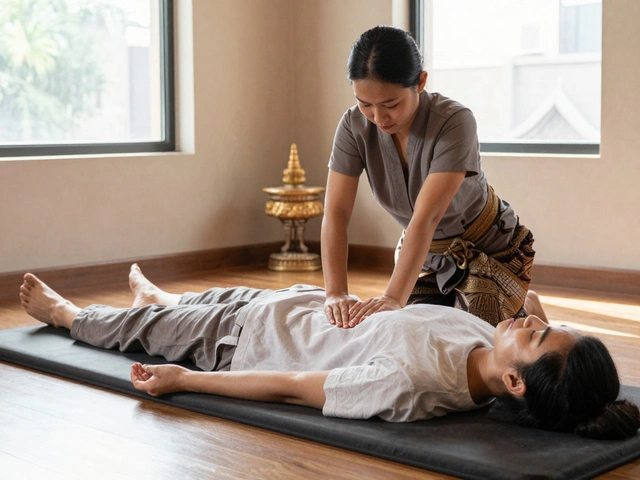
- Hot Stone: Smooth heated stones are placed on the skin. The heat penetrates deep, offering profound relaxation without heavy pressure.
If you tell the receptionist exactly what you want, they can guide you to the right specialist. Saying "I want to relax" gets you a Swedish massage. Saying "I have tight traps from computer work" gets you targeted work.

How to Spot a Reputable Therapist
Finding the service is step one. Verifying the person behind the service is step two. In the United Kingdom, legitimate therapists usually hold qualifications from recognized bodies. Look for these signs on their website or social media profiles.
Credentials Matter
Genuine clinics display membership logos. Common organizations include the Complementary and Natural Healthcare Council (CNHC) is the leading independent regulator for complementary and alternative health practitioners in the UK. If they are listed on the CNHC register, they adhere to strict ethical guidelines and carry public liability insurance. Ask to see proof of insurance if it is not posted online.
Review Analysis
Read the Google Reviews carefully. Do not just look at the star rating. Look for patterns. If multiple people mention cleanliness, punctuality, and professionalism, trust those consistent themes. Watch out for reviews that mention pressure to upgrade services or vague complaints about "feeling uncomfortable." Those are red flags.
The Consultation Call
Call them. Does someone answer professionally? Do they ask about medical history before booking? A therapist should always ask about injuries, pregnancy, or recent surgeries before touching you. If the booking agent pushes you to pay without asking these questions, walk away.
What Happens During Your Session
Anxiety about the first visit is normal. Knowing the flow of the room helps you settle in. Most sessions follow a standard structure regardless of the location.
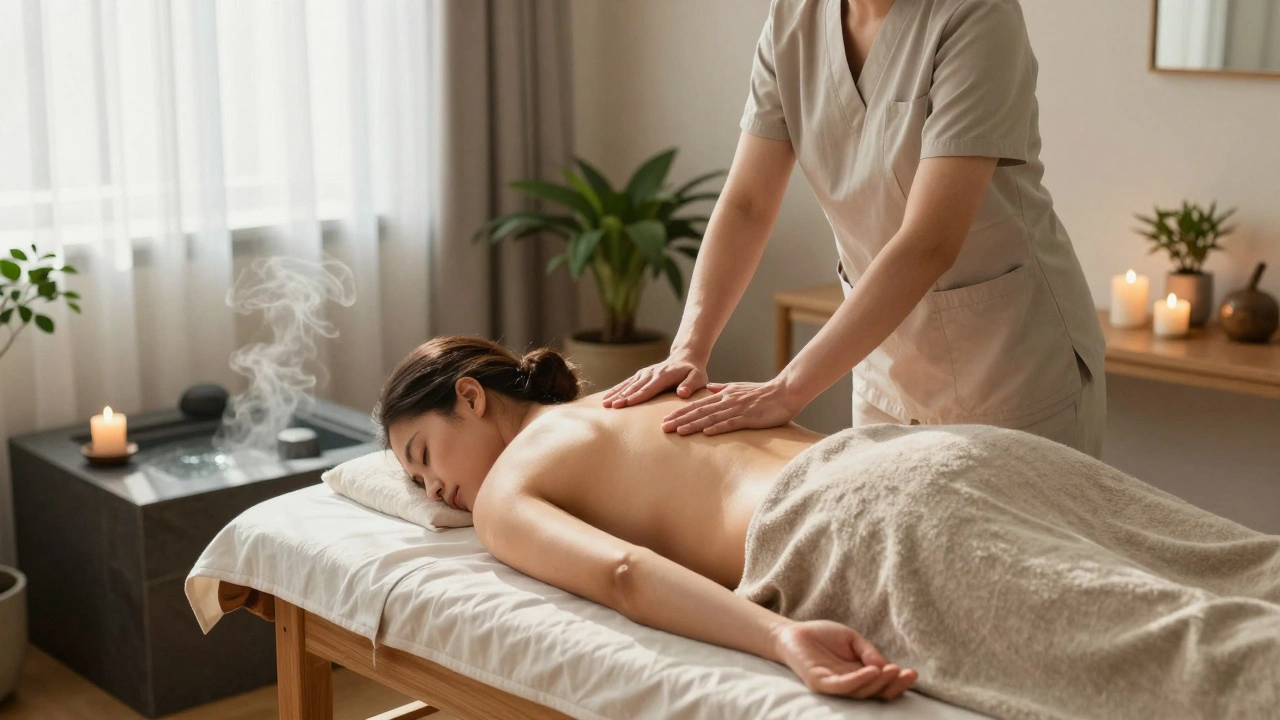
You arrive about five minutes early. Reception greets you and asks you to complete a short health form. After payment or deposit confirmation, you wait in a waiting area. When called, you enter a private changing area. You undress to your level of comfort. Draping towels and sheets are used to cover areas not being massaged. The sheet is never pulled off entirely. You lie face up or down on the table. The therapist washes their hands before entering.
The session lasts typically sixty or ninety minutes. Communication is key. Tell them if the pressure is too light or too heavy. They cannot read your mind. Silence is fine too. Many people drift off to sleep during a proper Swedish massage.
At the end, the therapist leaves the room for privacy while you dress. Payment is finalized upon exit. You might feel thirsty afterwards as toxins release from muscles. Drink water immediately.

Pricing and Value Transparency
Cost varies significantly based on location and experience. In major cities like London or Brighton, prices reflect higher overheads. You should budget accordingly to ensure you are paying for quality.
| Service Type | Duration | Estimated Price Range (£) |
|---|---|---|
| Swedish Massage | 60 Minutes | £50 - £80 |
| Deep Tissue | 60 Minutes | £60 - £90 |
| HOT Stone | 90 Minutes | £90 - £120 |
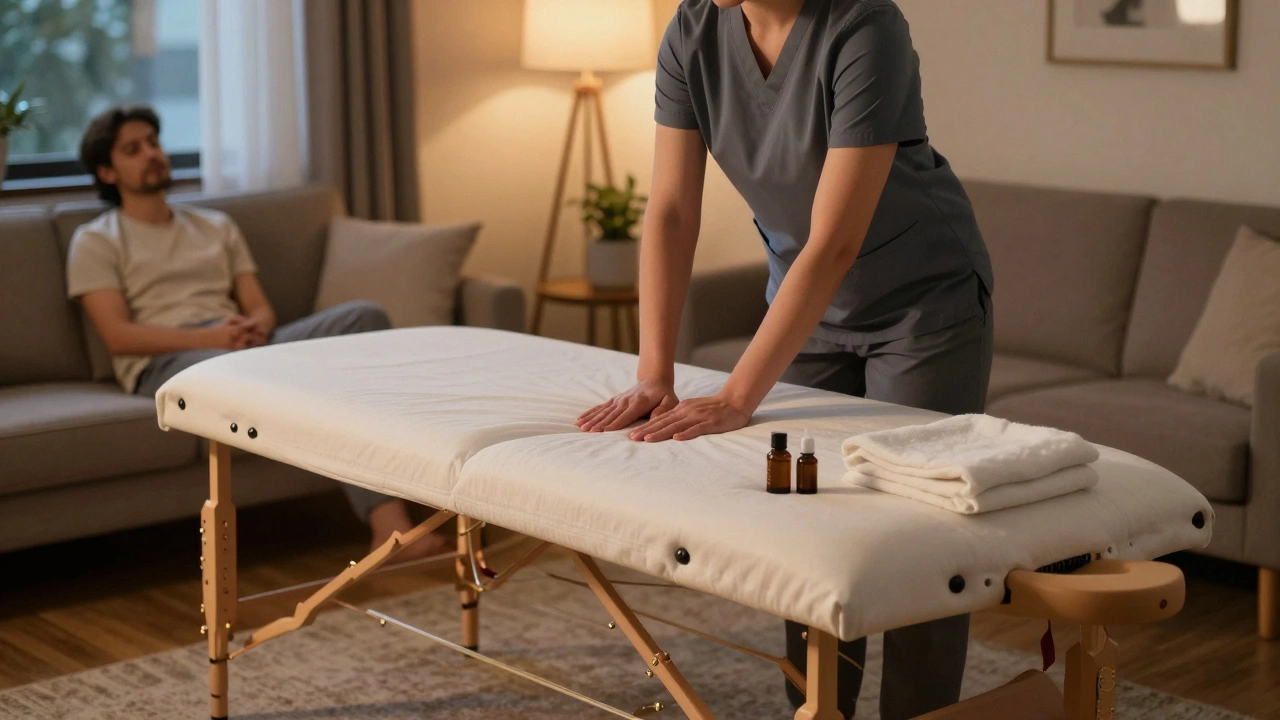
| Mobility/Home Visit | 60 Minutes | £80 - £110 |
Avoid rates that seem suspiciously low. Extremely cheap treatments often signal untrained staff or unsanitary conditions. You are paying for expertise and environment.
Safety and Hygiene Protocols
Hygiene is non-negotiable. Observe the cleanliness of the reception area. Is the floor clean? Is the linens crisp? These details often mirror the hygiene in the treatment room.
Therapists should change gloves for sensitive areas and wash hands before and after every client. Oils and lotions should be sealed in dispensers to prevent cross-contamination. If a place shares towels or has dirty equipment visible, leave immediately.
Trust your instincts. If something feels off about the environment or the interaction, you do not owe your time or money to that business. A safe experience begins before the physical touch starts.
Do I need to tip my massage therapist?
Tipping is not mandatory in the UK but appreciated. If the therapist delivered exceptional care, 10-15 percent is a standard gesture. Always check if service charges are included in your bill first.
Can I have a massage if I have a cold?
Generally, you should postpone if you have a fever. Light massage might help congestion, but spreading viruses is unfair to the therapist and other clients. Cancel honestly and reschedule when healthy.
Is it okay to fall asleep during the session?
Absolutely. Falling asleep means your parasympathetic nervous system has activated. It is a sign of relaxation. Therapists are trained to adjust movements gently so they do not wake you abruptly.
How far ahead should I book?
Popular studios fill up weeks in advance. Try booking 2-3 days ahead for mid-week slots. Evening and weekend bookings often require 2-3 weeks notice depending on demand.
What if I feel pain during the massage?
Speak up immediately. Good pain means muscle work. Bad pain means nerve damage or strain. Your therapist needs real-time feedback to stay within your safety limits.
Finding the right spot takes effort, but the payoff is worth it. Your body heals fast once the stress load drops. Choose wisely, verify credentials, and enjoy the moment of peace you deserve.