You’ve had one of those days. Your shoulders are locked up, your lower back feels like it’s been hit by a truck, and no matter how much you stretch, nothing helps. You’ve tried heat packs, ibuprofen, even that weird yoga video your friend swears by. But what if the answer was simpler? What if your hands, or someone else’s, could do more than just rub away the ache?
Body massage isn’t just a luxury. It’s a proven, natural way to melt away pain and tension-no pills, no needles, no waiting for insurance approval. And it’s not just for people who can afford spa days. Whether you’re sitting at a desk eight hours a day, lifting kids, or recovering from an injury, your body responds to touch. Not just any touch-the right kind.
Key Takeaways
- Body massage reduces muscle tension by increasing blood flow and releasing built-up knots.
- It lowers cortisol (the stress hormone) and boosts serotonin and dopamine, helping you feel calmer.
- Regular sessions can reduce chronic pain from conditions like lower back pain, arthritis, and fibromyalgia.
- You don’t need a fancy spa-basic Swedish or deep tissue massage works wonders at home or in a clinic.
- It’s safe for most people, but avoid it if you have open wounds, blood clots, or recent surgery.
What Exactly Is Body Massage?
Body massage is the manual manipulation of soft tissues-muscles, tendons, ligaments, and connective tissue-using hands, fingers, elbows, or sometimes tools. It’s not magic. It’s science. When pressure is applied to tight areas, it triggers a chain reaction in your nervous system. Blood vessels open up, oxygen floods in, and waste products like lactic acid get flushed out. At the same time, your brain gets a signal: “You’re safe now.” That’s why you feel relaxed even before the therapist finishes the last stroke.
Think of your muscles like a tangled headphone cord. The longer you ignore it, the tighter the knots get. Massage doesn’t just smooth the surface-it untangles the whole mess from the inside out.
Why Body Massage Works for Pain and Tension
Let’s talk about what’s actually happening inside your body when you get a massage.
First, it improves circulation. Blood carries nutrients and oxygen to damaged tissue. When muscles are tense, blood flow slows. Massage physically pushes fluid through those areas, like squeezing a sponge to release trapped water. Studies from the Journal of Clinical Psychiatry found that just 45 minutes of massage reduced muscle soreness by 30% after intense exercise.
Second, it calms your nervous system. Chronic stress keeps your body in fight-or-flight mode. Your muscles stay tight, your breathing shallow, your mind racing. Massage activates the parasympathetic nervous system-the part that says, “You can chill now.” A 2021 study from the University of Miami showed that people who received weekly massages for four weeks had 31% lower cortisol levels.
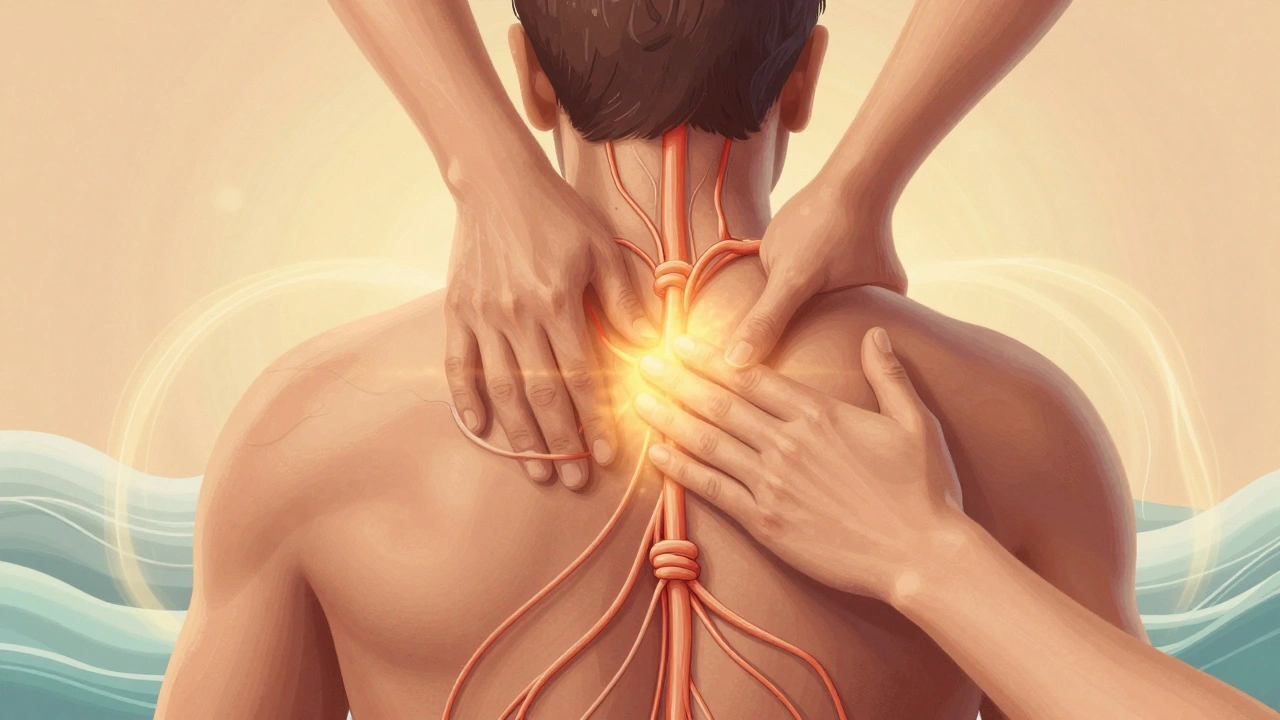
Third, it breaks up adhesions-those sticky patches between muscle layers that form from overuse or injury. These adhesions feel like hard lumps under your skin. They limit movement and cause pain. A skilled therapist can work those loose without tearing tissue.
Real talk: I’ve seen clients who swore they’d never try massage. One guy, a construction worker with chronic lower back pain, started with one session. Three months later, he was getting them every two weeks. Said it saved him from surgery.
Types of Body Massage for Pain and Tension
Not all massages are the same. Here are the most effective types for pain and tension:
- Swedish Massage - Gentle, flowing strokes. Great for beginners or if you’re just starting to release tension. Uses long glides, kneading, and circular movements. Ideal for overall relaxation and mild pain.
- Deep Tissue Massage - Targets deeper muscle layers. Slower, firmer pressure. Best for chronic pain, stiff necks, lower back issues, or sports injuries. It might feel intense, but it shouldn’t hurt.
- Trigger Point Therapy - Focuses on specific knots (trigger points) that refer pain to other areas. For example, a knot in your shoulder might cause headaches. The therapist applies direct pressure to those spots until they release.
- Myofascial Release - Works on the connective tissue (fascia) that surrounds muscles. Often used for fibromyalgia or post-surgery recovery. It’s slow, sustained pressure-not kneading, more like stretching the tissue.
- Sports Massage - Designed for active people. Helps prevent injury, speed recovery, and improve flexibility. Good if you run, lift weights, or play sports regularly.
You don’t need to pick the fanciest one. Most people see real results with just Swedish or deep tissue. Start simple. See how your body reacts.
What to Expect During a Session
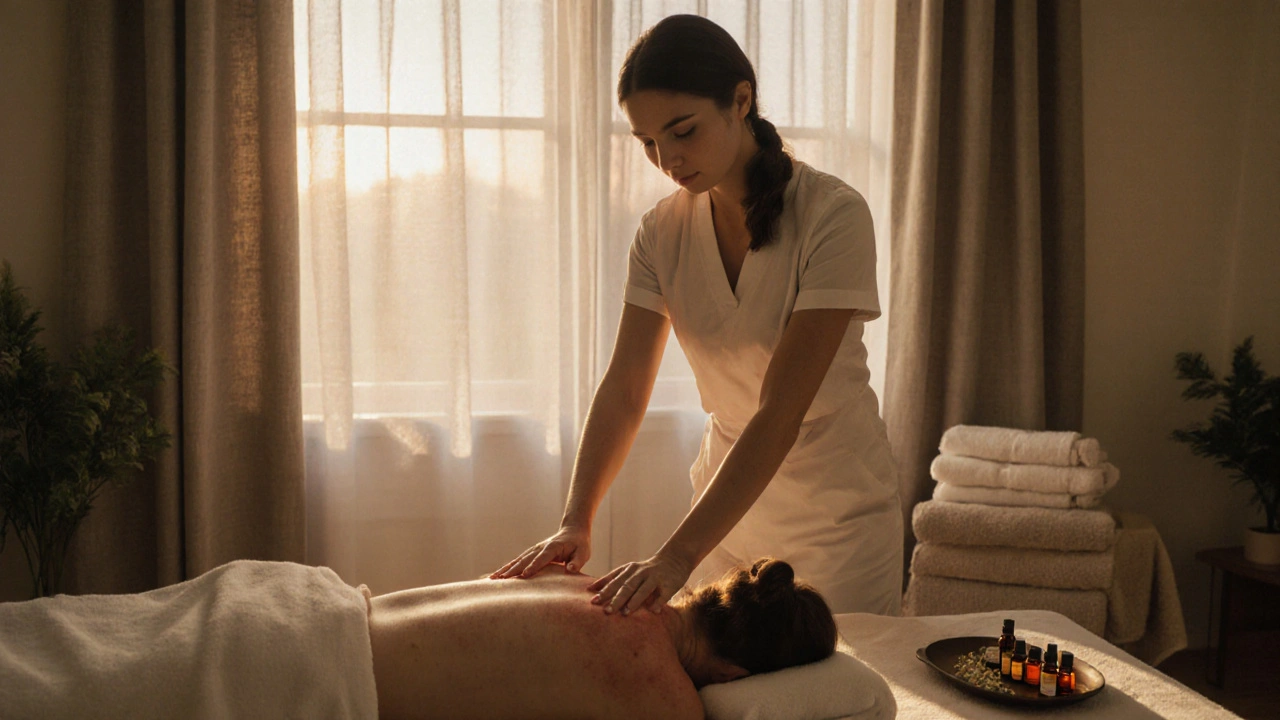
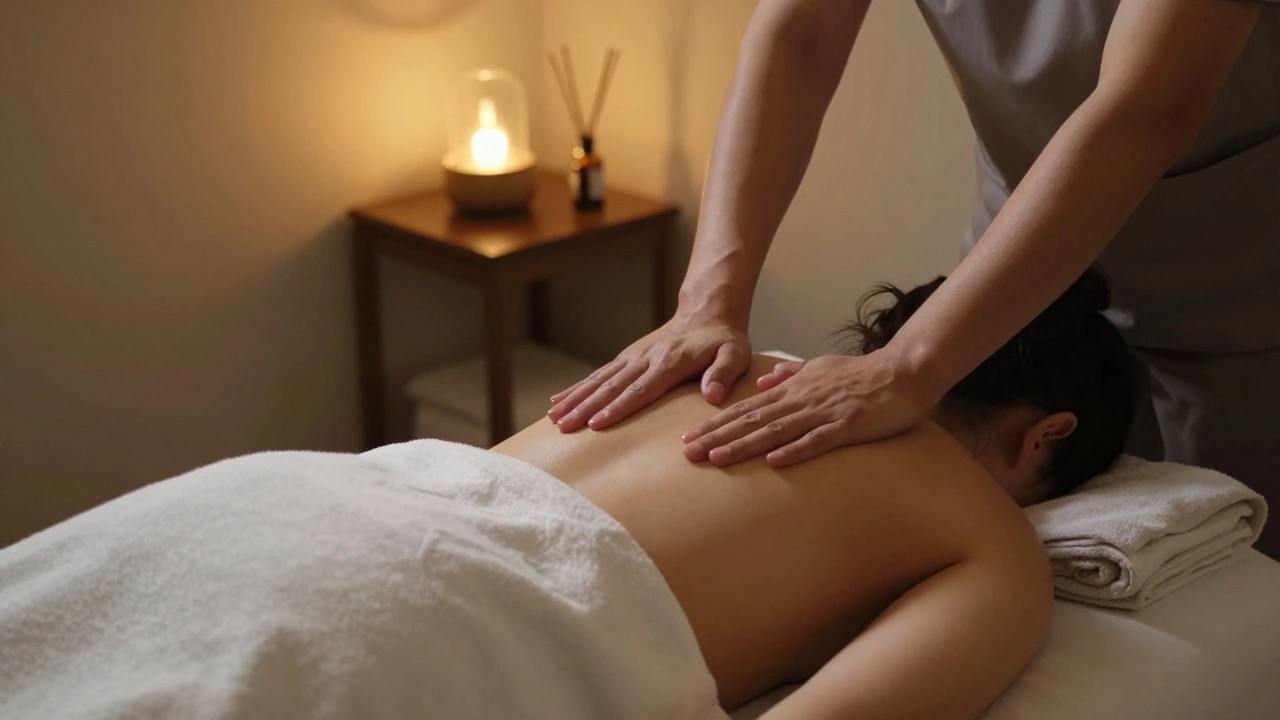
Picture this: You walk into a quiet room. Soft lighting. Aromatherapy maybe-lavender or eucalyptus. The therapist asks a few questions: Where does it hurt? How long has it been going on? Do you have any injuries? Then you lie on a table, covered with a sheet. They leave the room so you can get comfortable.
The massage starts light. They’re checking your tension, not diving in right away. As they work, you might feel a dull ache or a stretch. That’s normal. Sharp pain? Tell them. Good therapists adjust on the fly.
Most sessions last 60 to 90 minutes. You’ll feel relaxed, maybe a little sore the next day-like after a good workout. That’s your muscles releasing. Drink water. It helps flush out toxins.
One thing people don’t expect: the emotional release. Some cry. Others fall asleep. It’s not weird. Your body holds stress. When you finally let it go, it comes out in unexpected ways.
How to Find Quality Body Massage Services
You don’t need to go to a high-end spa. In fact, many of the best therapists work out of small clinics, wellness centers, or even home studios.
Look for:
- Certification: Licensed massage therapist (LMT) or certified through a recognized body like the National Certification Board for Therapeutic Massage & Bodywork.
- Specialization: Ask if they work with pain or injury. Not all therapists are trained for deep tissue or trigger points.
- Reviews: Check Google or Yelp. Look for mentions of “pain relief,” “knots released,” or “didn’t feel rushed.”
- Consultation: A good therapist will talk to you before the session. If they just start massaging without asking questions, walk away.
Many clinics offer first-time discounts. Try a 60-minute session. If it helps, book again. If not, try a different style or therapist. It’s like dating-you find the right fit.
Pricing and Booking
Costs vary by location, experience, and session length.
- 60-minute session: $60-$100
- 90-minute session: $90-$150
- Home visits: $100-$180 (includes travel fee)
Some insurance plans cover massage therapy if it’s prescribed for a medical condition like chronic back pain. Ask your provider. Also, check if your employer offers wellness benefits-some do.
Booking is easy. Most places let you book online. Look for platforms like Acuity, Mindbody, or even just call ahead. Don’t wait until you’re in agony. Book ahead. Consistency matters more than one big session.

Safety Tips
Massage is safe for most people. But skip it if you have:
- Open wounds, burns, or rashes
- Deep vein thrombosis (blood clots)
- Recent surgery (wait 6-8 weeks)
- Severe osteoporosis
- High fever or infection
Also, tell your therapist if you’re pregnant, on blood thinners, or have cancer. They’ll adjust pressure or avoid certain areas.
And please-don’t let someone “crack” your spine or neck. That’s not massage. That’s chiropractic, and it’s risky if done by untrained people.
Body Massage vs. Stretching for Pain Relief
| Factor | Body Massage | Stretching |
|---|---|---|
| How it works | Manual pressure releases knots, improves circulation, calms nerves | Lengthens muscles, improves flexibility |
| Best for | Chronic pain, deep tension, stress-related tightness | Mild stiffness, post-workout tightness, mobility |
| Speed of relief | Immediate to 24 hours | Immediate, but short-lived |
| Long-term results | Yes-with regular sessions | Yes-with daily practice |
| Self-administered? | Hard to do alone | Yes |
| Cost (per session) | $60-$150 | $0 (if done at home) |
Stretching is great. But if you’ve been stretching for months and still feel like a robot, massage gives you the boost you’re missing. It gets to places your arms can’t reach.
Frequently Asked Questions
Can body massage really help with chronic pain?
Yes. Multiple studies, including one from the Annals of Internal Medicine, found that people with chronic lower back pain who got monthly massages for 10 weeks had significantly less pain and better function than those who didn’t. It doesn’t cure the root cause, but it gives your body a chance to heal by reducing inflammation and muscle guarding.
How often should I get a massage for pain relief?
Start with once a week for 3-4 weeks if you’re dealing with acute pain. Then switch to every 2-4 weeks for maintenance. Some people with chronic conditions like arthritis get one every 3 weeks. Think of it like brushing your teeth-consistency beats intensity.
Is deep tissue massage painful?
It should feel intense, not painful. You might feel a burning or deep ache, but if it makes you tense up or gasp, speak up. A good therapist works with your body’s response, not against it. Think of it like a firm hug-not a punch.
Can I do body massage on myself?
You can do some things at home. Foam rollers, massage balls, and handheld massagers help with shoulders, calves, and feet. But you can’t reach your own upper back or neck effectively. And self-massage doesn’t trigger the same nervous system response as someone else’s hands. It’s helpful, but not a full replacement.
Will I feel better after just one session?
Most people feel looser and calmer right after. But if you’ve been carrying tension for years, one session won’t erase it. Think of it like cleaning a dirty car-you can’t wash it once and expect it to stay spotless. Regular sessions build up the effect.
Ready to Unwind?
You don’t need to wait until you’re broken to try massage. Start small. Book a 60-minute Swedish massage. See how your body responds. If it helps, keep going. If not, try a different style. Either way, you’re listening to your body-and that’s the first step to real healing.
Take the pressure off. Let someone else hold the weight for a while. Your muscles will thank you.